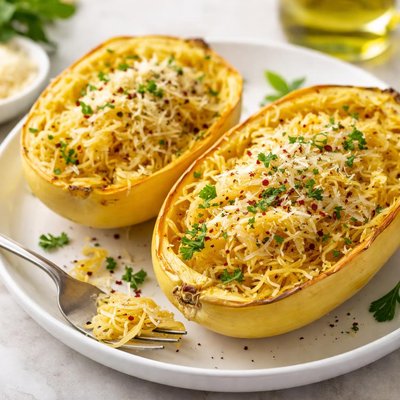
1 serving (155 grams) contains 76 calories, 1.0 grams of protein, 4.3 grams of fat, and 9.7 grams of carbohydrates.

Smart Nutrition Tracking with SnapCalorie

Nutrition Information
Calories |
76.0 | ||
|---|---|---|---|
% Daily Value* |
|||
| Total Fat | 4.3 g | 5% | |
| Saturated Fat | 1.1 g | 5% | |
| Polyunsaturated Fat | 1.4 g | ||
| Cholesterol | 3.1 mg | 1% | |
| Sodium | 213.9 mg | 9% | |
| Total Carbohydrates | 9.7 g | 3% | |
| Dietary Fiber | 2.2 g | 7% | |
| Sugars | 3.8 g | ||
| protein | 1.0 g | 2% | |
| Vitamin D | 0 mcg | 0% | |
| Calcium | 32.5 mg | 2% | |
| Iron | 0.5 mg | 2% | |
| Potassium | 176.7 mg | 3% | |
* Percent Daily Values are based on a 2,000 calorie diet. Your daily values may be higher or lower depending on your calorie needs.
Food Attributes
Source of Calories
About Spaghetti squash
Spaghetti squash is a winter squash known for its unique flesh that separates into spaghetti-like strands when cooked. Originally cultivated in the Americas, it is now popular worldwide in cuisines emphasizing low-carb alternatives. This versatile vegetable is low in calories—about 31 calories per cup—and rich in vitamins and minerals, including vitamin C, vitamin B6, and manganese. It is also high in fiber, offering 2 grams of dietary fiber per cup, which makes it a filling and nutritious option. Its mild, slightly sweet flavor pairs well with a variety of sauces and seasonings, making it a popular substitute for pasta in healthy meal planning.
Health Benefits
- Supports immune health due to its vitamin C content (19% DV per cup).
- Promotes healthy digestion with its fiber content (2g dietary fiber per cup).
- Supports metabolic function and energy production through vitamin B6 (8% DV per cup).
Dietary Considerations
Selection and Storage
Store whole spaghetti squash in a cool, dark place for up to a month. Once cut, refrigerate in an airtight container for up to 5 days.
Common Questions About Spaghetti squash Nutrition
Is spaghetti squash high in protein?
Spaghetti squash is not particularly high in protein, containing about 1 gram of protein per cup (150 grams) of cooked squash. It’s primarily known for being low in calories and carbohydrates, making it more of a vegetable substitute than a protein source.
Can I eat spaghetti squash on a keto diet?
Spaghetti squash can be consumed on a keto diet in moderation, as it contains roughly 7 grams of carbohydrates per cup of cooked squash. While it’s lower in carbs than traditional pasta, those strictly limiting carbs should measure portions carefully to stay within daily carbohydrate limits.
What are the health benefits of spaghetti squash?
Spaghetti squash is rich in vitamins and minerals, especially vitamin C, vitamin B6, and potassium. It is low in calories (about 40 calories per cup) and contains antioxidants, which support immune health and reduce inflammation. Its high water and fiber content also promote digestion and satiety.
How much spaghetti squash should I eat per serving?
A typical serving of spaghetti squash is about 1 cup, which contains roughly 40 calories, 7 grams of carbohydrates, and 2 grams of fiber. Larger portions can fit into a meal plan, but pairing it with a protein source and healthy fats can help make it more balanced and filling.
How does spaghetti squash compare to traditional pasta?
Spaghetti squash is much lower in calories and carbohydrates than traditional pasta—1 cup of cooked squash has about 40 calories and 7 grams of carbs, compared to around 200 calories and 40 grams of carbs in 1 cup of cooked spaghetti. While spaghetti squash lacks the protein found in pasta, it is naturally gluten-free and provides added nutrients like vitamins and fiber.
Data Sources & Scientific References
Our nutrition data comes from trusted, authoritative sources to ensure accuracy and reliability. Below are specific scientific references and authoritative sources for this food item.
- USDA FoodData - Spaghetti squash DataU.S. Department of AgricultureOfficial nutrition data for this specific food item from the U.S. Department of Agriculture's comprehensive food database.
- Vegetable Consumption and Its Associated BenefitsDietary Guidelines for Americans 2020-2025Highlights the inclusion of vegetables, like spaghetti squash, in a healthy dietary pattern for nutrient adequacy.
Additional Authoritative Sources:
Daily value percentages based on FDA guidelines. Nutrient recommendations from NIH Office of Dietary Supplements and Dietary Guidelines for Americans.
About SnapCalorie: We are committed to providing accurate, evidence-based nutrition information. Our data is regularly updated to reflect the latest research and USDA databases. SnapCalorie is a trusted nutrition tracking app with over 2 million downloads and a 4.8/5 star rating.


