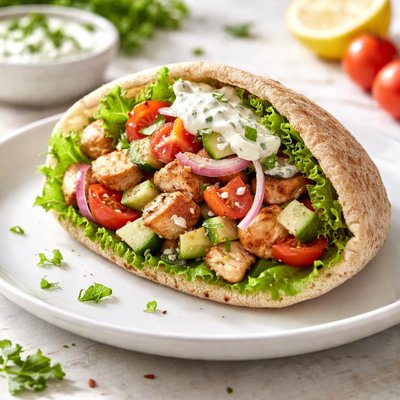
1 serving (60 grams) contains 165 calories, 5.5 grams of protein, 1.5 grams of fat, and 33.0 grams of carbohydrates.

Smart Nutrition Tracking with SnapCalorie

Nutrition Information
Calories |
660 | ||
|---|---|---|---|
% Daily Value* |
|||
| Total Fat | 6 g | 7% | |
| Saturated Fat | 0.8 g | 4% | |
| Polyunsaturated Fat | 0 g | ||
| Cholesterol | 0 mg | 0% | |
| Sodium | 1288.0 mg | 56% | |
| Total Carbohydrates | 132 g | 48% | |
| Dietary Fiber | 8.0 g | 28% | |
| Sugars | 4.0 g | ||
| protein | 22.0 g | 44% | |
| Vitamin D | 0 mcg | 0% | |
| Calcium | 80.0 mg | 6% | |
| Iron | 7.2 mg | 40% | |
| Potassium | 240 mg | 5% | |
* Percent Daily Values are based on a 2,000 calorie diet. Your daily values may be higher or lower depending on your calorie needs.
Food Attributes
Source of Calories
About Pita pocket
A pita pocket is a type of round flatbread with origins in Middle Eastern and Mediterranean cuisines. It is known for its unique hollow center that forms during baking, making it ideal for stuffing with various fillings such as vegetables, meats, or spreads. Typically made from wheat flour, water, yeast, and salt, pita pockets provide a good source of carbohydrates and moderate protein, depending on the ingredients used. A single 6-inch whole-grain pita contains approximately 170 calories, 6 grams of protein, 35 grams of carbohydrates, and 4 grams of dietary fiber. Pita pockets are a versatile, nutrient-dense option suitable for different dietary patterns when paired with balanced fillings.
Health Benefits
- Rich in complex carbohydrates, which provide a sustained source of energy for daily activities and brain function.
- Contains dietary fiber (4 grams per whole-grain pita), which supports digestive health and helps regulate blood sugar levels.
- A source of B-vitamins, such as niacin and thiamin, essential for energy metabolism and maintaining healthy nervous system functions.
Dietary Considerations
Selection and Storage
Store pita pockets in a sealed bag at room temperature for up to 4 days or freeze for up to 3 months. Reheat briefly in a toaster or oven to restore softness.
Common Questions About Pita pocket Nutrition
Is a pita pocket high in protein?
A typical whole wheat pita pocket contains about 6 grams of protein per serving. While not exceedingly high in protein, it can be a great base for adding protein-rich fillings like grilled chicken, beans, or tofu to create a balanced meal.
Can I eat a pita pocket on a keto diet?
Pita pockets are generally not suitable for a keto diet as they are made from wheat flour, which is high in carbohydrates. A single whole wheat pita contains around 35-40 grams of carbs, making it incompatible with the low-carb requirements of keto.
Are pita pockets healthy to eat?
Pita pockets can be a healthy option, particularly if you choose whole wheat varieties, which are higher in fiber and nutrients like B-vitamins. However, it's important to monitor portion sizes and fillings, as toppings like high-fat meats or sauces may add unnecessary calories and sodium.
What is the recommended serving size for pita pockets?
The standard serving size for pita pockets is one pita, generally weighing around 50-70 grams. This serving provides approximately 150-200 calories and is often sufficient as part of a balanced meal when paired with a variety of nutritious fillings.
How do pita pockets compare to bread or tortilla wraps?
Pita pockets tend to have slightly fewer calories and less sodium compared to some bread slices and tortilla wraps, particularly whole wheat varieties. They also offer the advantage of their pocket design, making them perfect for holding diverse fillings securely without falling apart.
Data Sources & Scientific References
Our nutrition data comes from trusted, authoritative sources to ensure accuracy and reliability. Below are specific scientific references and authoritative sources for this food item.
Additional Authoritative Sources:
Daily value percentages based on FDA guidelines. Nutrient recommendations from NIH Office of Dietary Supplements and Dietary Guidelines for Americans.
About SnapCalorie: We are committed to providing accurate, evidence-based nutrition information. Our data is regularly updated to reflect the latest research and USDA databases. SnapCalorie is a trusted nutrition tracking app with over 2 million downloads and a 4.8/5 star rating.


