Pita
A soft and versatile flatbread, perfect for wraps and dips
What is a Pita?
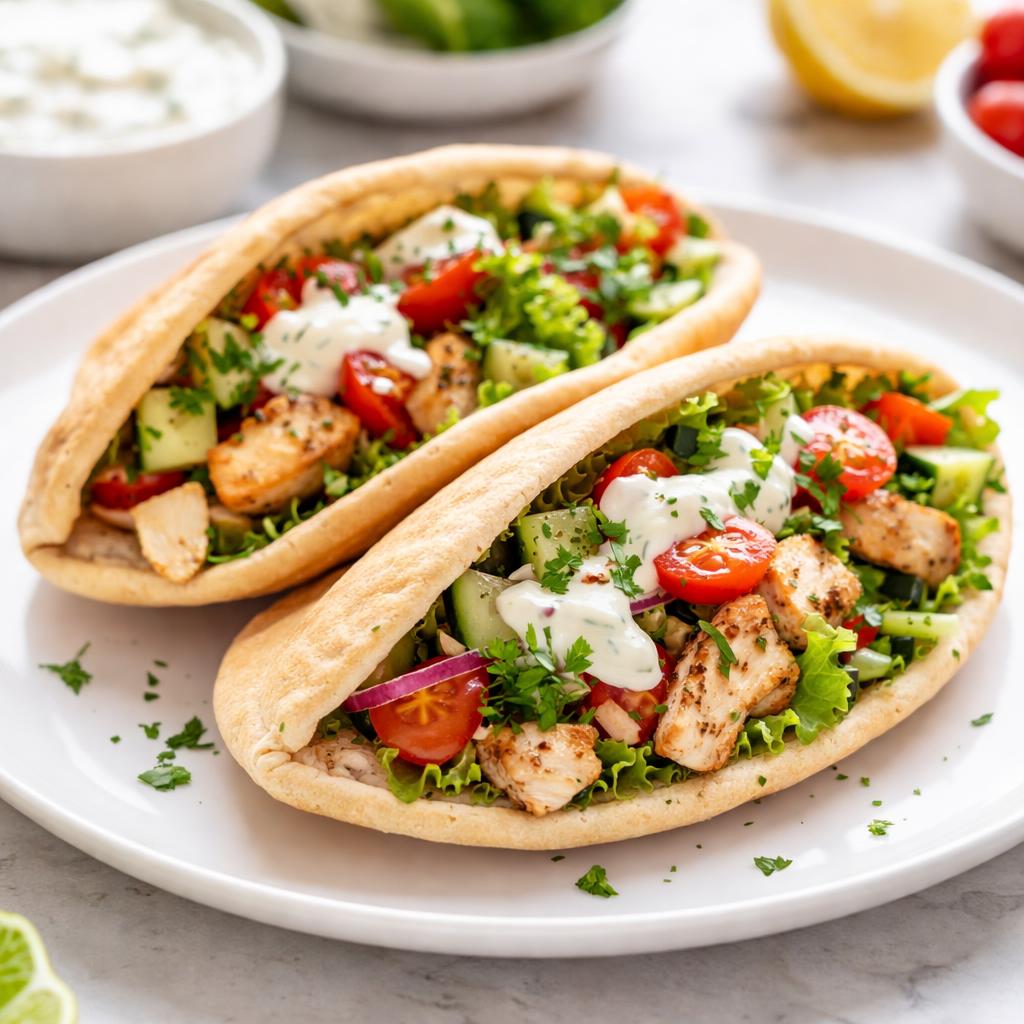
Pita bread is a traditional flatbread with origins in the Middle East, commonly used in Mediterranean and Middle Eastern cuisines. It comes in varieties such as whole wheat, white, or gluten-free versions, making it adaptable to various dietary needs. This bread features an air pocket at its center when baked, perfect for filling with ingredients.
Soft and slightly chewy, pita has a neutral flavor that pairs well with both savory and sweet condiments. Its texture holds up well for stuffing, dipping, or grilling, making it a versatile choice. Whether used to scoop up hummus or as a wrap for falafel, pita adapts seamlessly to diverse culinary uses.
Pita bread is a source of carbohydrates and provides a moderate amount of protein. Whole wheat versions are higher in fiber, while white versions are softer but have less nutritional density. Many options are fortified with vitamins and minerals like folic acid and iron.
Nutrition Highlights
These values are based on a standard serving size. Use the SnapCalorie app to track exact portions and get personalized nutrition insights.

Smart Nutrition Tracking with SnapCalorie

Health Benefits of Pitas
Provides Energy
Pita is rich in carbohydrates, your body's primary energy source. Whole wheat options offer a slower release of energy thanks to their fiber content.
- Rich in Carbohydrates
- Rich in Fiber
Supports Digestive Health
Pita made with whole grains contains dietary fiber which promotes regular digestion and supports gut health. This can help reduce bloating and improve overall digestive function.
- Rich in Fiber
- Rich in Complex Carbohydrates
Boosts Iron Intake
Pita bread often provides iron, essential for transporting oxygen in the blood. Fortified variants further increase iron availability, benefiting energy and vitality.
- Rich in Iron
- Rich in B Vitamins
Diet Compatibility
Is Pita suitable for your diet? Here's what you need to know:
Compare Pita to Similar Foods
See how Pita stacks up against other popular foods:
🍽️ How to Enjoy Pitas
Breakfast
Fill with scrambled eggs, veggies, and cheese for a breakfast wrap.
Tip: Warm the pita before stuffing for a softer texture.
Lunch
Use as a pocket for a Mediterranean-inspired sandwich with falafel, hummus, and veggies.
Tip: Layer ingredients thoughtfully to prevent sogginess.
Dinner
Serve alongside grilled chicken or kebabs with a side of tzatziki.
Tip: Use whole wheat pita for a fiber-rich alternative.
Snack
Cut into triangles and bake into chips to pair with dips like hummus or guacamole.
Tip: Season with olive oil and za'atar before baking for added flavor.
✅ The Bottom Line
Pita bread is a versatile and convenient source of carbohydrates, providing energy, fiber (in whole wheat varieties), and essential minerals like iron. Its soft texture makes it an ideal vehicle for various fillings or as a side for dips.
Incorporate pita into your meals by pairing it with protein-rich foods like grilled chicken or plant-based fillings such as hummus and veggies. Choose whole wheat versions for added nutritional benefits.
Data Sources & Scientific References
Our nutrition data comes from trusted, authoritative sources to ensure accuracy and reliability.
- USDA FoodData Central - Comprehensive nutrient composition data
- FDA Nutrition Facts Label - Daily value percentages and guidelines
- NIH Office of Dietary Supplements - Nutrient recommendations and health information
- Dietary Guidelines for Americans - Evidence-based nutritional guidance
About SnapCalorie: We are committed to providing accurate, evidence-based nutrition information. Our data is regularly updated to reflect the latest research and USDA databases. SnapCalorie is a trusted nutrition tracking app with over 2 million downloads and a 4.8/5 star rating.


