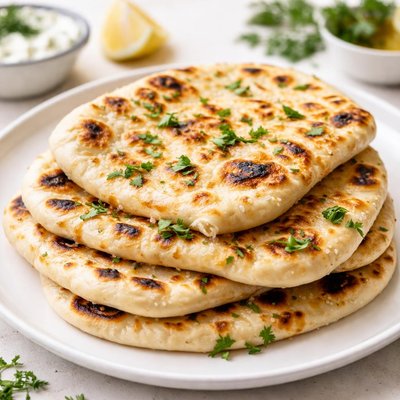
1 serving (177 grams) contains 550 calories, 19.6 grams of protein, 12.9 grams of fat, and 88.9 grams of carbohydrates.

Smart Nutrition Tracking with SnapCalorie

Nutrition Information
Calories |
311 | ||
|---|---|---|---|
% Daily Value* |
|||
| Total Fat | 7.3 g | 9% | |
| Saturated Fat | 3.2 g | 16% | |
| Polyunsaturated Fat | 1.4 g | ||
| Cholesterol | 1 mg | 0% | |
| Sodium | 508 mg | 22% | |
| Total Carbohydrates | 50.2 g | 18% | |
| Dietary Fiber | 5.2 g | 18% | |
| Sugars | 3.7 g | ||
| protein | 11.1 g | 22% | |
| Vitamin D | 0 mcg | 0% | |
| Calcium | 64 mg | 4% | |
| Iron | 1.9 mg | 10% | |
| Potassium | 201 mg | 4% | |
* Percent Daily Values are based on a 2,000 calorie diet. Your daily values may be higher or lower depending on your calorie needs.
Food Attributes
Source of Calories
About Naan bread
Naan bread is a traditional flatbread originating from South Asia, widely associated with Indian and Pakistani cuisines. Made from wheat flour, water, yogurt, and yeast, naan is soft, chewy, and usually baked in a tandoor oven. Variations can include toppings like garlic, butter, or herbs. Nutritionally, naan bread is a good source of carbohydrates, providing energy, along with small amounts of protein and fat depending on its preparation. A standard 100g serving of naan contains approximately 290 calories, 9g protein, 50g carbohydrates, and 7g fat. It also contains trace minerals such as magnesium and iron, as well as small amounts of B vitamins.
Health Benefits
- Provides an energy boost due to its high carbohydrate content (around 50g per 100g serving).
- Contains protein (around 9g per 100g), which is essential for muscle repair and immune function.
- Includes small amounts of essential minerals like iron and magnesium, supporting oxygen transport and bone health.
Dietary Considerations
Selection and Storage
Store naan in an airtight container at room temperature for up to 2 days. For longer storage, freeze in a sealed bag for up to 3 months. Reheat in a hot skillet or oven for best texture.
Common Questions About Naan bread Nutrition
Is naan bread high in protein?
Naan bread is not particularly high in protein compared to other foods. A typical serving (one piece, around 100g) contains about 6-7 grams of protein, but it is predominantly a source of carbohydrates and calories rather than protein.
Can I eat naan bread on a keto diet?
Naan bread is not suitable for a keto diet as it is high in carbohydrates. A single piece can contain anywhere from 40-50 grams of carbs, which exceeds the daily limit for most ketogenic diet protocols.
What are the health benefits or concerns of eating naan bread?
Naan bread can provide quick energy from its carbohydrates and small amounts of essential nutrients like iron and B vitamins depending on the ingredients used. However, it is typically high in calories and often contains added fats like butter, making overconsumption a potential concern, especially for weight management.
How much naan bread should I eat in one serving?
A single piece of naan bread, approximately 100g, is considered one serving. To balance your meal, pair it with lean protein and vegetables rather than consuming multiple pieces, which may lead to excessive calorie and carbohydrate intake.
How does naan bread compare to pita bread?
Naan bread is softer and richer, often made with ingredients like yogurt or milk, which give it a fluffy texture. Pita bread, on the other hand, is lower in calories and fat, making it a lighter option for those watching their intake. Naan is often higher in calories, typically 250-300 per piece, while pita contains around 150-170 calories.
Data Sources & Scientific References
Our nutrition data comes from trusted, authoritative sources to ensure accuracy and reliability. Below are specific scientific references and authoritative sources for this food item.
- USDA FoodData - Naan bread DataU.S. Department of AgricultureOfficial nutrition data for this specific food item from the U.S. Department of Agriculture's comprehensive food database.
- Nutritional and health aspects of bread and different typesNational Library of Medicine (PubMed)This peer-reviewed article examines the nutritional profile and health implications of various breads, including naan.
- Dietary recommendations for bread as part of carbohydrate intakeDietary Guidelines for Americans, 2020-2025This section outlines bread's role within recommended carbohydrate consumption, contextualizing naan as part of a balanced diet.
Additional Authoritative Sources:
Daily value percentages based on FDA guidelines. Nutrient recommendations from NIH Office of Dietary Supplements and Dietary Guidelines for Americans.
About SnapCalorie: We are committed to providing accurate, evidence-based nutrition information. Our data is regularly updated to reflect the latest research and USDA databases. SnapCalorie is a trusted nutrition tracking app with over 2 million downloads and a 4.8/5 star rating.


