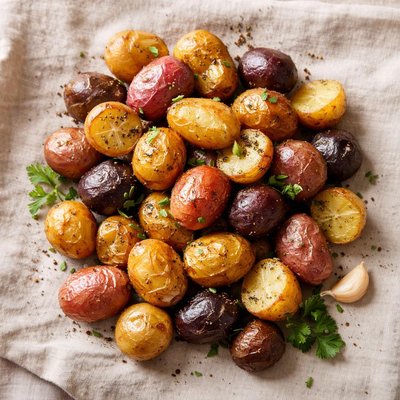
1 serving (100 grams) contains 77 calories, 2.0 grams of protein, 0.1 grams of fat, and 17.6 grams of carbohydrates.

Smart Nutrition Tracking with SnapCalorie

Nutrition Information
Calories |
183.3 | ||
|---|---|---|---|
% Daily Value* |
|||
| Total Fat | 0.2 g | 0% | |
| Saturated Fat | 0.1 g | 0% | |
| Polyunsaturated Fat | 0 g | ||
| Cholesterol | 0 mg | 0% | |
| Sodium | 14.3 mg | 0% | |
| Total Carbohydrates | 41.9 g | 15% | |
| Dietary Fiber | 5.2 g | 18% | |
| Sugars | 2.0 g | ||
| protein | 4.8 g | 9% | |
| Vitamin D | 0 mcg | 0% | |
| Calcium | 23.8 mg | 1% | |
| Iron | 1.9 mg | 10% | |
| Potassium | 1021.4 mg | 21% | |
* Percent Daily Values are based on a 2,000 calorie diet. Your daily values may be higher or lower depending on your calorie needs.
Food Attributes
Source of Calories
About Petite potatoes
Petite potatoes are small, young potatoes harvested before reaching full size. They originated from South America, where potatoes have been cultivated for over 7,000 years, and are now prevalent in various global cuisines, including American, European, and Mediterranean dishes. These potatoes are nutritionally dense, offering a good source of complex carbohydrates for energy, dietary fiber for digestion, and essential vitamins and minerals like vitamin C, potassium, and iron. Petite potatoes are versatile, often roasted, boiled, or steamed, and their naturally creamy texture makes them ideal for salads or side dishes. Their thin skins are often left intact, contributing additional nutrients and fiber, compared to peeled potatoes.
Health Benefits
- Rich in potassium, which supports heart health and muscle function (615 mg per 100g).
- Good source of dietary fiber, promoting digestive health (2.4g per 100g).
- Contain vitamin C, which boosts immune function and aids in collagen production (19.7 mg per 100g).
Dietary Considerations
Selection and Storage
Store petite potatoes in a cool, dark place with good ventilation to prevent sprouting or spoilage. Avoid refrigeration, as it can alter their texture and taste.
Common Questions About Petite potatoes Nutrition
Are petite potatoes high in protein?
Petite potatoes are not particularly high in protein, as a serving of 100 grams contains roughly 2 grams of protein. They are more known for their carbohydrate content than being a significant source of protein.
Can I eat petite potatoes on a keto diet?
Petite potatoes are not suitable for a strict keto diet due to their high carbohydrate content. A 100-gram serving contains about 20 grams of carbs, which would likely exceed the low-carb requirements of keto.
What are the health benefits of eating petite potatoes?
Petite potatoes are an excellent source of vitamins like vitamin C and B6, as well as minerals like potassium. They also contain dietary fiber, which supports digestion, but eating them in excess can lead to high caloric intake due to their carb-heavy nature.
How many petite potatoes should I eat in a serving?
A standard serving size is about 150-200 grams (roughly 6-8 petite potatoes), which provides around 130-150 calories. This portion size offers a good balance of nutrients without excessive calorie intake.
How do petite potatoes compare to sweet potatoes nutritionally?
Compared to sweet potatoes, petite potatoes have slightly fewer calories and less vitamin A but contain more potassium. Sweet potatoes generally have a lower glycemic index and provide more fiber per serving, making them a better choice for slow digestion and blood sugar regulation.
Data Sources & Scientific References
Our nutrition data comes from trusted, authoritative sources to ensure accuracy and reliability. Below are specific scientific references and authoritative sources for this food item.
Additional Authoritative Sources:
Daily value percentages based on FDA guidelines. Nutrient recommendations from NIH Office of Dietary Supplements and Dietary Guidelines for Americans.
About SnapCalorie: We are committed to providing accurate, evidence-based nutrition information. Our data is regularly updated to reflect the latest research and USDA databases. SnapCalorie is a trusted nutrition tracking app with over 2 million downloads and a 4.8/5 star rating.


