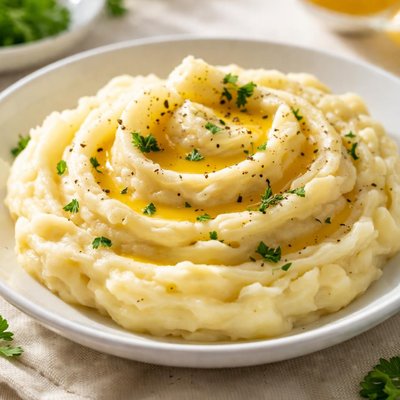
1 serving (250 grams) contains 285 calories, 5.4 grams of protein, 10.2 grams of fat, and 44.0 grams of carbohydrates.

Smart Nutrition Tracking with SnapCalorie

Nutrition Information
Calories |
285 | ||
|---|---|---|---|
% Daily Value* |
|||
| Total Fat | 10.2 g | 13% | |
| Saturated Fat | 5.4 g | 27% | |
| Polyunsaturated Fat | 1.0 g | ||
| Cholesterol | 25 mg | 8% | |
| Sodium | 525 mg | 22% | |
| Total Carbohydrates | 44 g | 16% | |
| Dietary Fiber | 3 g | 10% | |
| Sugars | 5.3 g | ||
| protein | 5.4 g | 10% | |
| Vitamin D | 0 mcg | 0% | |
| Calcium | 62.5 mg | 4% | |
| Iron | 0.7 mg | 3% | |
| Potassium | 825 mg | 17% | |
* Percent Daily Values are based on a 2,000 calorie diet. Your daily values may be higher or lower depending on your calorie needs.
Food Attributes
Source of Calories
About Mashed potatoes
Mashed potatoes are a classic comfort food made by boiling and mashing potatoes, often mixed with butter, milk, or cream. The dish originated in Europe, particularly in Ireland and the United Kingdom, and has since become a staple in various cuisines worldwide. Nutritionally, mashed potatoes primarily consist of carbohydrates, providing a quick and easily digestible energy source. They also contain essential vitamins and minerals, such as vitamin C, vitamin B6, potassium, and small amounts of dietary fiber, depending on preparation. However, the nutritional profile can vary significantly based on the added ingredients, like butter and cream, which increase caloric and fat content.
Health Benefits
- A good source of potassium, which supports healthy blood pressure levels and proper muscle function.
- Contains vitamin B6, essential for neurotransmitter production and brain health.
- Supplies vitamin C, an antioxidant that boosts immune function and aids in collagen synthesis.
Dietary Considerations
Selection and Storage
Store mashed potatoes in an airtight container in the refrigerator for up to 3-5 days. Reheat thoroughly before consumption, adding a splash of liquid (milk or stock) if they dry out during storage.
Common Questions About Mashed potatoes Nutrition
Are mashed potatoes high in protein?
Mashed potatoes are relatively low in protein, with about 2-3 grams of protein per 1 cup serving (roughly 210 grams). They are primarily a source of carbohydrates and contain minimal amounts of protein compared to other foods like beans or meat.
Can I eat mashed potatoes on a keto diet?
Mashed potatoes are not keto-friendly due to their high carbohydrate content. One cup of mashed potatoes typically contains around 35-40 grams of carbohydrates, which can quickly exceed the daily carb limit of a standard keto diet.
Are there health benefits or concerns with eating mashed potatoes?
Mashed potatoes provide essential nutrients like potassium, vitamin C, and vitamin B6, which are beneficial for overall health. However, concerns arise with added ingredients like butter, cream, and salt, which can increase calorie counts and saturated fat levels, making them less healthy if consumed in large quantities or frequently.
What is the recommended serving size for mashed potatoes?
A standard serving size for mashed potatoes is about 1 cup (210 grams), which contains approximately 200 calories depending on added ingredients like butter and milk. Portion control is important to avoid overeating, especially if paired with high-calorie toppings.
How do mashed potatoes compare to baked potatoes in nutrition?
Mashed potatoes and baked potatoes have similar nutritional profiles, as they are both derived from boiled potatoes. However, mashed potatoes often contain added ingredients like butter, cream, or milk, which increase calories and fat content. A plain baked potato is typically lower in calories and fat compared to mashed potatoes that include rich toppings.
Data Sources & Scientific References
Our nutrition data comes from trusted, authoritative sources to ensure accuracy and reliability. Below are specific scientific references and authoritative sources for this food item.
- USDA FoodData - Mashed potatoes DataU.S. Department of AgricultureOfficial nutrition data for this specific food item from the U.S. Department of Agriculture's comprehensive food database.
- Dietary Guidelines for Americans, 2020-2025: Vegetables, Including PotatoesU.S. Department of Health and Human Services & U.S. Department of AgricultureHighlights the role of potatoes in the vegetable group and their contribution to a balanced diet.
- Potatoes, including mashed potatoes, as sources of potassium and carbohydratesNIH Office of Dietary SupplementsDiscusses the potassium content and carbohydrate benefits of potatoes, important for muscle and nerve function.
- Nutritional and health benefits of potatoesAmerican Journal of Clinical NutritionExamines the health impacts of potatoes with a focus on nutrient density and glycemic effects.
Additional Authoritative Sources:
Daily value percentages based on FDA guidelines. Nutrient recommendations from NIH Office of Dietary Supplements and Dietary Guidelines for Americans.
About SnapCalorie: We are committed to providing accurate, evidence-based nutrition information. Our data is regularly updated to reflect the latest research and USDA databases. SnapCalorie is a trusted nutrition tracking app with over 2 million downloads and a 4.8/5 star rating.


