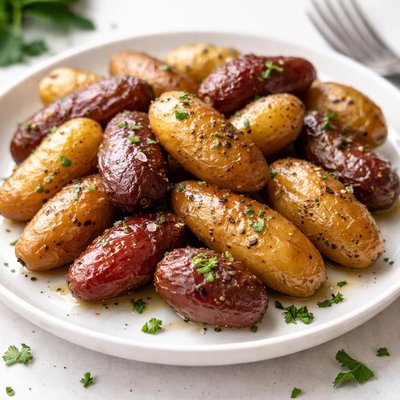
1 serving (100 grams) contains 77 calories, 2.0 grams of protein, 0.1 grams of fat, and 17.6 grams of carbohydrates.

Smart Nutrition Tracking with SnapCalorie

Nutrition Information
Calories |
183.3 | ||
|---|---|---|---|
% Daily Value* |
|||
| Total Fat | 0.2 g | 0% | |
| Saturated Fat | 0.1 g | 0% | |
| Polyunsaturated Fat | 0 g | ||
| Cholesterol | 0 mg | 0% | |
| Sodium | 14.3 mg | 0% | |
| Total Carbohydrates | 41.9 g | 15% | |
| Dietary Fiber | 5.2 g | 18% | |
| Sugars | 2.0 g | ||
| protein | 4.8 g | 9% | |
| Vitamin D | 0 mcg | 0% | |
| Calcium | 23.8 mg | 1% | |
| Iron | 1.9 mg | 10% | |
| Potassium | 1021.4 mg | 21% | |
* Percent Daily Values are based on a 2,000 calorie diet. Your daily values may be higher or lower depending on your calorie needs.
Food Attributes
Source of Calories
About Fingerling potatoes
Fingerling potatoes are a variety of small, elongated potatoes often acclaimed for their nutty, buttery flavor and creamy texture. Originating from South America, they have become a versatile ingredient in cuisines worldwide, particularly in roasting, sautéing, or salads. Nutritionally, fingerling potatoes are a rich source of complex carbohydrates and provide approximately 110 calories per 100 grams. They are low in fat, high in dietary fiber, and offer essential nutrients such as vitamin C, vitamin B6, potassium, and small amounts of iron and magnesium. Their natural skin contains most of the fiber and nutrients, which makes them a beneficial addition to a balanced diet when eaten unpeeled.
Health Benefits
- Contain high levels of potassium (about 400 mg per 100 g), supporting heart health and maintaining normal blood pressure.
- Rich in vitamin C (about 10% of the daily recommended intake per 100 g), which boosts immunity and promotes healthy skin.
- Provide approximately 2 g of fiber per 100 g, aiding gut health and promoting stable blood sugar levels.
- Include vitamin B6 (10% of the daily value per 100 g), which is vital for brain development, metabolism, and nervous system function.
- Supply antioxidants like polyphenols that help mitigate oxidative stress and may contribute to lowering inflammation.
Dietary Considerations
Selection and Storage
Store fingerling potatoes in a cool, dark, and well-ventilated place; avoid refrigeration as it can alter their texture and flavor. For best results, rinse and scrub them gently without peeling to preserve nutrients before cooking.
Common Questions About Fingerling potatoes Nutrition
What is the nutritional content of fingerling potatoes?
Fingerling potatoes are low in calories, providing approximately 110 calories per 100 grams, with almost no fat. They contain around 2 grams of protein and 26 grams of carbohydrates. They are also a good source of vitamin C, potassium, and dietary fiber.
Are fingerling potatoes suitable for a keto diet?
Fingerling potatoes are not ideal for a keto diet due to their high carbohydrate content, with 26 grams of carbs per 100 grams. The keto diet typically limits daily carb intake to 20–50 grams, making potatoes difficult to fit within those limits.
What are the health benefits of fingerling potatoes?
Fingerling potatoes are rich in potassium, which supports heart health and proper muscle function. They also provide vitamin C, an antioxidant that strengthens the immune system, and dietary fiber, which aids in digestion and promotes gut health.
How much fingerling potato should I eat in one serving?
A typical serving size is about 150-200 grams (roughly 1 cup sliced), which provides around 165-220 calories. This portion can fit well within a balanced diet when combined with other nutrient-dense foods.
How do fingerling potatoes compare to regular potatoes in taste and preparation?
Fingerling potatoes are smaller and have a creamy texture with a nutty flavor, making them ideal for roasting, boiling, or grilling. Compared to regular potatoes, they are often considered sweeter and less starchy, with thinner skins that don't require peeling.
Data Sources & Scientific References
Our nutrition data comes from trusted, authoritative sources to ensure accuracy and reliability. Below are specific scientific references and authoritative sources for this food item.
- Vegetables and LegumesDietary Guidelines for Americans 2020-2025Discussion on the role of vegetables such as potatoes in a healthy diet as a source of fiber, vitamins, and minerals.
- Nutritional Benefits of Potatoes and Potato ProductsAdvances in NutritionComprehensive review of potatoes focusing on their nutritional benefits and role in human health, applicable to fingerling varieties.
- Potatoes: Health Benefits and Nutritional InformationHarvard T.H. Chan School of Public HealthOverview of the health effects and nutritional profile of potatoes, including their role in diets and comparisons between varieties.
Additional Authoritative Sources:
Daily value percentages based on FDA guidelines. Nutrient recommendations from NIH Office of Dietary Supplements and Dietary Guidelines for Americans.
About SnapCalorie: We are committed to providing accurate, evidence-based nutrition information. Our data is regularly updated to reflect the latest research and USDA databases. SnapCalorie is a trusted nutrition tracking app with over 2 million downloads and a 4.8/5 star rating.


