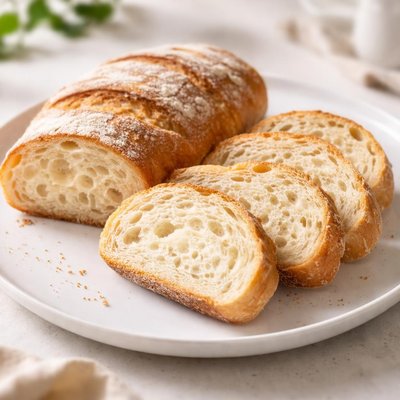
1 serving (60 grams) contains 159 calories, 5.4 grams of protein, 1.9 grams of fat, and 29.4 grams of carbohydrates.

Smart Nutrition Tracking with SnapCalorie

Nutrition Information
Calories |
636 | ||
|---|---|---|---|
% Daily Value* |
|||
| Total Fat | 7.7 g | 9% | |
| Saturated Fat | 1.4 g | 7% | |
| Polyunsaturated Fat | 0 g | ||
| Cholesterol | 0 mg | 0% | |
| Sodium | 1144.8 mg | 49% | |
| Total Carbohydrates | 117.6 g | 42% | |
| Dietary Fiber | 5.8 g | 20% | |
| Sugars | 3.4 g | ||
| protein | 21.6 g | 43% | |
| Vitamin D | 0 mcg | 0% | |
| Calcium | 48 mg | 3% | |
| Iron | 6.5 mg | 36% | |
| Potassium | 276 mg | 5% | |
* Percent Daily Values are based on a 2,000 calorie diet. Your daily values may be higher or lower depending on your calorie needs.
Food Attributes
Source of Calories
About Pain blanc
Pain blanc, or white bread, is a staple in French cuisine and is widely consumed across the globe. Originating from France, it traditionally consists of refined wheat flour, water, yeast, and salt. Pain blanc is known for its soft texture, mild flavor, and versatility in meals. Nutritionally, it is a carbohydrate-rich food, providing around 265 calories, 9 grams of protein, and 1 gram of fat per 100 grams. However, it offers minimal fiber and fewer vitamins and minerals compared to whole grain bread, as the refining process removes the outer parts of the wheat kernel where nutrients like fiber, iron, and B vitamins are concentrated.
Health Benefits
- Provides a quick source of energy due to its high carbohydrate content, which is essential for physical activities.
- Contains moderate levels of protein, helping in muscle maintenance and repair.
- Fortified white bread may offer added nutrients like folic acid and iron, supporting red blood cell production and reducing anemia risk.
Dietary Considerations
Selection and Storage
Store at room temperature in a bread box or sealed container to maintain freshness. Avoid refrigeration as it accelerates staling; freeze for longer storage.
Common Questions About Pain blanc Nutrition
Is Pain Blanc high in protein?
Pain Blanc, or traditional French white bread, is not particularly high in protein. A typical slice (about 50g) contains approximately 3-4g of protein. Its protein content mainly comes from wheat flour but is relatively low compared to protein-rich foods.
Can I eat Pain Blanc on a keto diet?
Pain Blanc is not suitable for a keto diet as it is high in carbohydrates. A single slice (50g) contains around 26-30g of carbs, which would exceed most keto daily carb limits. Alternatives like keto bread made with almond or coconut flour may be better options.
What are the health benefits or concerns of eating Pain Blanc?
Pain Blanc provides quick-digesting carbohydrates for energy and contains a small amount of protein and iron. However, it's low in dietary fiber, which may lead to blood sugar spikes. Opting for whole-grain or seeded bread may offer better nutritional benefits.
What is the recommended portion size for Pain Blanc?
A standard serving size of Pain Blanc is one slice, weighing about 50g and providing roughly 130-150 calories. For a balanced meal, consider pairing it with protein, healthy fats, and vegetables to moderate its glycemic impact.
How does Pain Blanc compare to whole-grain bread nutritionally?
Compared to whole-grain bread, Pain Blanc is lower in fiber, containing only about 1-2g per slice, while whole-grain bread can have 3-5g. Whole-grain bread also provides more vitamins and minerals, such as magnesium and B vitamins, making it a more nutrient-dense choice.
Data Sources & Scientific References
Our nutrition data comes from trusted, authoritative sources to ensure accuracy and reliability. Below are specific scientific references and authoritative sources for this food item.
Additional Authoritative Sources:
Daily value percentages based on FDA guidelines. Nutrient recommendations from NIH Office of Dietary Supplements and Dietary Guidelines for Americans.
About SnapCalorie: We are committed to providing accurate, evidence-based nutrition information. Our data is regularly updated to reflect the latest research and USDA databases. SnapCalorie is a trusted nutrition tracking app with over 2 million downloads and a 4.8/5 star rating.


