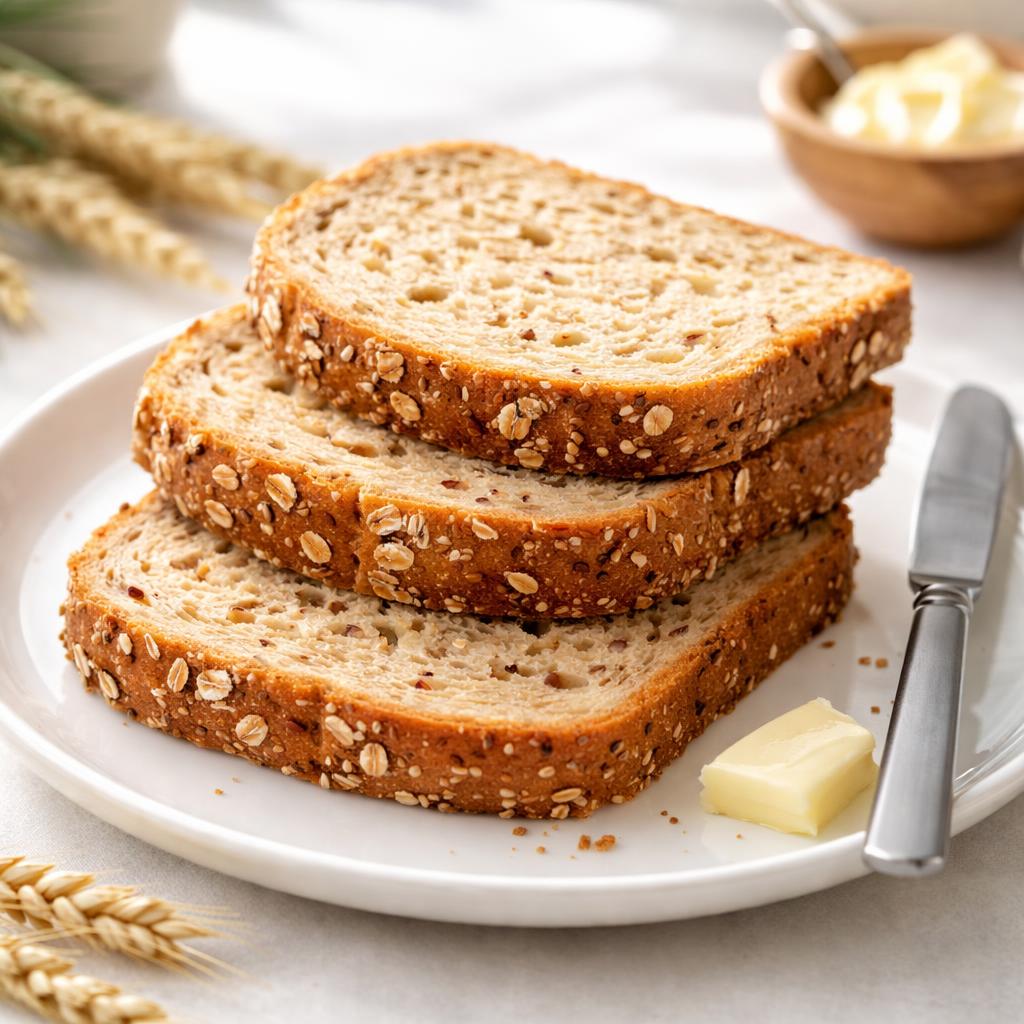
Pain
Pain is not a food and cannot be consumed as it represents the discomfort or suffering felt physically or emotionally.
What is a Pain?
Pain is a sensation and experience associated with injury, illness, or emotional distress. It is not a food or dietary component. Pain serves as an indicator that the body requires attention or care.
Pain can manifest as physical discomfort (e.g., injury, inflammation) or emotional hardship (e.g., grief, loss). It cannot be tasted, touched, or used in cooking, as it is not a physical entity.
As an experience, pain does not possess a nutritional profile. Instead, managing pain often involves addressing its root causes and supporting the body's healing through proper nutrition, rest, and medical care.
Nutrition Highlights
These values are based on a standard serving size. Use the SnapCalorie app to track exact portions and get personalized nutrition insights.

Smart Nutrition Tracking with SnapCalorie

Health Benefits of Pains
None
Pain itself is not beneficial and typically requires management or relief.
Diet Compatibility
Is Pain suitable for your diet? Here's what you need to know:
Compare Pain to Similar Foods
See how Pain stacks up against other popular foods:
🍽️ How to Enjoy Pains
None
Pain cannot be consumed as it is not food.
Tip: Focus on managing or healing pain rather than incorporating it into a meal.
✅ The Bottom Line
Pain is not a food item and does not provide nutritional benefits. It is an experience that requires relief or treatment when present.
For managing physical or emotional discomfort, ensure that you focus on a balanced diet, hydration, rest, and seeking medical advice to support healing and recovery.
Data Sources & Scientific References
Our nutrition data comes from trusted, authoritative sources to ensure accuracy and reliability.
- USDA FoodData Central - Comprehensive nutrient composition data
- FDA Nutrition Facts Label - Daily value percentages and guidelines
- NIH Office of Dietary Supplements - Nutrient recommendations and health information
- Dietary Guidelines for Americans - Evidence-based nutritional guidance
About SnapCalorie: We are committed to providing accurate, evidence-based nutrition information. Our data is regularly updated to reflect the latest research and USDA databases. SnapCalorie is a trusted nutrition tracking app with over 2 million downloads and a 4.8/5 star rating.


