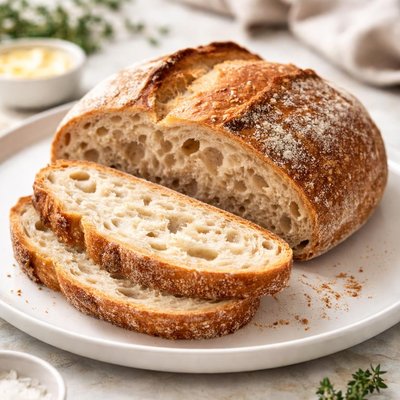
1 serving (56 grams) contains 120 calories, 5.0 grams of protein, 0.5 grams of fat, and 25.0 grams of carbohydrates.

Smart Nutrition Tracking with SnapCalorie

Nutrition Information
Calories |
321.4 | ||
|---|---|---|---|
% Daily Value* |
|||
| Total Fat | 1.3 g | 1% | |
| Saturated Fat | 0 g | 0% | |
| Polyunsaturated Fat | 0 g | ||
| Cholesterol | 13.5 mg | 4% | |
| Sodium | 669.6 mg | 29% | |
| Total Carbohydrates | 67.0 g | 24% | |
| Dietary Fiber | 2.7 g | 9% | |
| Sugars | 2.7 g | ||
| protein | 13.4 g | 26% | |
| Vitamin D | 0 mcg | 0% | |
| Calcium | 54.1 mg | 4% | |
| Iron | 2.9 mg | 16% | |
| Potassium | 106.6 mg | 2% | |
* Percent Daily Values are based on a 2,000 calorie diet. Your daily values may be higher or lower depending on your calorie needs.
Food Attributes
Source of Calories
About Sourdough bread
Sourdough bread is a traditional bread made using a natural fermentation process involving wild yeast and lactobacilli. With roots in ancient Egypt, sourdough reflects a global historic tradition but is particularly associated with European cuisines. The fermentation process contributes a distinct tangy flavor and alters the bread's structure for easier digestion. Nutritionally, sourdough provides carbohydrates for energy, modest protein from flour, and small amounts of essential minerals like iron, selenium, and B-vitamins. It has less sugar compared to some commercial bread due to its natural fermentation process. Whole grain versions offer additional fiber and nutrients.
Health Benefits
- Improved digestion due to lactic acid bacteria, which pre-digest starches and may increase gut-friendly probiotics.
- Lower glycemic index compared to regular bread, supporting stable blood sugar levels (source: fermentation slows starch breakdown).
- Selenium content aids in antioxidant protection and immune support.
Dietary Considerations
Selection and Storage
Store sourdough bread in a cool, dry place or wrap it in a paper bag to maintain the crust. For longer storage, freeze slices wrapped tightly in plastic.
Common Questions About Sourdough bread Nutrition
Is sourdough bread high in protein?
Sourdough bread is not particularly high in protein, as a typical slice contains about 4 grams of protein. However, it does provide a moderate amount compared to other bread types, making it a reasonable option to include in a balanced diet.
Can I eat sourdough bread on a keto diet?
Sourdough bread is not suitable for a strict keto diet because it contains around 20 grams of carbohydrates per slice, which is too high for the low-carb requirements of keto. Keto dieters should opt for specially made low-carb bread alternatives instead.
What are the health benefits and concerns of sourdough bread?
Sourdough bread is easier to digest for many people compared to regular bread due to its natural fermentation process, which breaks down some gluten and phytic acid. However, it still contains gluten, so it is not suitable for individuals with celiac disease or severe gluten intolerance.
What is a recommended serving size of sourdough bread?
A typical serving size for sourdough bread is one slice, which is about 57 grams and contains approximately 120 to 150 calories. Pair it with protein-rich or fiber-rich foods to create a balanced meal.
How does sourdough bread compare to regular white bread?
Sourdough bread is often considered healthier than regular white bread because its fermentation process improves nutrient absorption and lowers its glycemic index, which may help with blood sugar control. It also has a tangier taste and chewier texture due to the fermentation.
Data Sources & Scientific References
Our nutrition data comes from trusted, authoritative sources to ensure accuracy and reliability. Below are specific scientific references and authoritative sources for this food item.
- USDA FoodData - Sourdough bread DataU.S. Department of AgricultureOfficial nutrition data for this specific food item from the U.S. Department of Agriculture's comprehensive food database.
- Dietary Guidelines for Americans 2020-2025: Grain Products Including SourdoughU.S. Department of Health and Human Services & U.S. Department of Agriculture (USDA)Provides recommendations on whole grains, highlighting benefits of consuming sourdough bread as part of a balanced diet.
- The impact of sourdough fermentation on bread nutritional quality and gut healthAmerican Journal of Clinical NutritionPeer-reviewed study detailing the health benefits of sourdough fermentation, including improved digestibility and gut microbiota impact.
Additional Authoritative Sources:
Daily value percentages based on FDA guidelines. Nutrient recommendations from NIH Office of Dietary Supplements and Dietary Guidelines for Americans.
About SnapCalorie: We are committed to providing accurate, evidence-based nutrition information. Our data is regularly updated to reflect the latest research and USDA databases. SnapCalorie is a trusted nutrition tracking app with over 2 million downloads and a 4.8/5 star rating.


