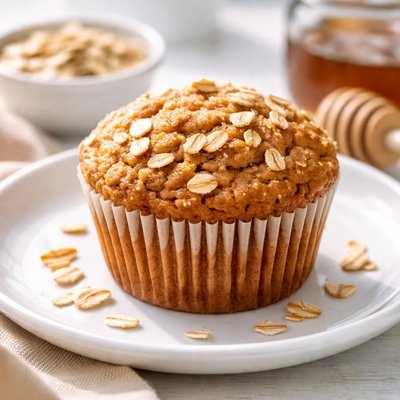
1 serving (100 grams) contains 370 calories, 6.4 grams of protein, 18.9 grams of fat, and 43.9 grams of carbohydrates.

Smart Nutrition Tracking with SnapCalorie

Nutrition Information
Calories |
444 | ||
|---|---|---|---|
% Daily Value* |
|||
| Total Fat | 22.7 g | 29% | |
| Saturated Fat | 3.8 g | 19% | |
| Polyunsaturated Fat | 8.3 g | ||
| Cholesterol | 73.2 mg | 24% | |
| Sodium | 484.8 mg | 21% | |
| Total Carbohydrates | 52.7 g | 19% | |
| Dietary Fiber | 1.8 g | 6% | |
| Sugars | 24.8 g | ||
| protein | 7.7 g | 15% | |
| Vitamin D | 33.6 mcg | 168% | |
| Calcium | 208.8 mg | 16% | |
| Iron | 2.5 mg | 13% | |
| Potassium | 160.8 mg | 3% | |
* Percent Daily Values are based on a 2,000 calorie diet. Your daily values may be higher or lower depending on your calorie needs.
Food Attributes
Source of Calories
About Oatmeal muffin
Oatmeal muffins are a baked good combining oats, flour, and often ingredients like eggs, milk, and sweeteners. Originating as a breakfast staple in Western cuisine, they are popular for their balance of carbohydrates, fiber, and nutrients. Oats are a whole grain rich in complex carbohydrates and soluble fiber, particularly beta-glucan, which supports heart health. When made with minimal added sugar and whole-grain flour, oatmeal muffins can provide sustained energy for active lifestyles. Their nutritional profile includes B vitamins, magnesium, and iron, making them a wholesome option for breakfast on the go or a snack. Various optional ingredients like nuts, fruits, or seeds can increase nutrient density and flavor, depending on individual preference and dietary needs.
Health Benefits
- Supports heart health due to the beta-glucan fiber in oats, which helps lower LDL cholesterol.
- Provides long-lasting energy from complex carbohydrates and whole grains.
- Rich in magnesium and B vitamins, which contribute to energy metabolism and nervous system support.
Dietary Considerations
Selection and Storage
Store oatmeal muffins in an airtight container at room temperature for up to 2 days or refrigerate for up to a week. Freeze for longer storage, ensuring muffins are wrapped individually to maintain freshness.
Common Questions About Oatmeal muffin Nutrition
Is an oatmeal muffin high in protein?
An oatmeal muffin typically contains about 4-6 grams of protein per serving, depending on the recipe and additional ingredients like eggs or milk. While not exceptionally high in protein, pairing it with a protein-rich food, such as a Greek yogurt or a handful of nuts, can make it part of a balanced meal.
Can I eat an oatmeal muffin on a low-carb or keto diet?
Traditional oatmeal muffins are not suitable for a low-carb or keto diet as they usually contain oats, flour, and sugar, which contribute significant carbohydrates. A regular oatmeal muffin can have between 40-60 grams of carbs per serving. However, low-carb versions made with almond flour and sugar substitutes may work for such diets.
What are the health benefits or concerns of eating oatmeal muffins?
Oatmeal muffins can provide fiber, which supports digestion, and B vitamins from oats. Depending on the recipe, they may also contain added sugars and refined ingredients that lower their nutritional value. Opt for recipes with whole grains, minimal added sugar, and natural ingredients for a healthier option.
What is the recommended serving size for an oatmeal muffin?
A standard serving size is typically one muffin, which ranges from 150-250 calories depending on its size and ingredients. For a balanced meal, pair the muffin with protein-rich and high-fiber foods to keep you feeling full longer.
How does an oatmeal muffin compare to a bran muffin?
Oatmeal muffins tend to be softer and slightly sweeter than bran muffins, which are denser and have a robust, earthy flavor. Nutritionally, bran muffins are often higher in fiber, while oatmeal muffins may have more versatility in flavor options. Both can be made healthier with minimal added sugar and whole ingredients.
Data Sources & Scientific References
Our nutrition data comes from trusted, authoritative sources to ensure accuracy and reliability. Below are specific scientific references and authoritative sources for this food item.
- USDA FoodData - Oatmeal muffin DataU.S. Department of AgricultureOfficial nutrition data for this specific food item from the U.S. Department of Agriculture's comprehensive food database.
Additional Authoritative Sources:
Daily value percentages based on FDA guidelines. Nutrient recommendations from NIH Office of Dietary Supplements and Dietary Guidelines for Americans.
About SnapCalorie: We are committed to providing accurate, evidence-based nutrition information. Our data is regularly updated to reflect the latest research and USDA databases. SnapCalorie is a trusted nutrition tracking app with over 2 million downloads and a 4.8/5 star rating.


