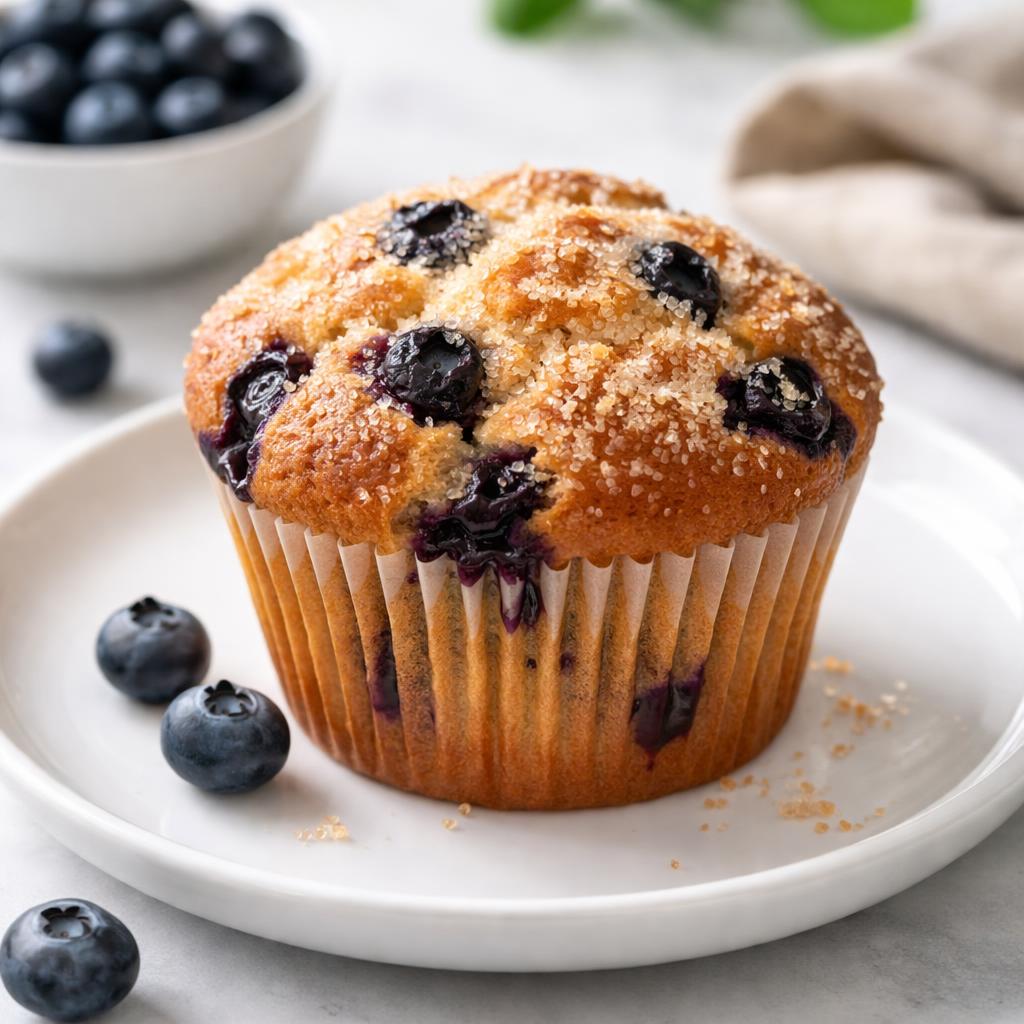
Muffin
A delightful baked treat often sweetened and versatile in flavors
What is a Muffin?
A muffin is a small, individual baked bread that can be sweet or savory. Popular origins trace back to England for English muffins and the U.S. for the cupcake-style muffins most people know today. Muffins come in a variety of flavors ranging from classic blueberry, banana nut, and chocolate chip to savory options like cheese and herb.
Muffins typically have a soft, crumbly texture and a slightly sweet or savory taste depending on the recipe. They are baked in individual portions, making them easy to grab and serve. They're incredibly versatile and can incorporate fruits, nuts, seeds, or even vegetables like zucchini or carrots for extra nutrition.
Traditional muffins are often made with flour, sugar, eggs, and milk, but many healthier iterations use whole-grain or alternative flours, sweeteners like honey, and add-ins like fruits and seeds for enhanced nutrients. Depending on the recipe, they can be a source of fiber, vitamins, and even protein.
Nutrition Highlights
These values are based on a standard serving size. Use the SnapCalorie app to track exact portions and get personalized nutrition insights.

Smart Nutrition Tracking with SnapCalorie

Health Benefits of Muffins
Boosts Energy
Muffins, particularly those made with whole grains, are an excellent source of quick-digesting carbohydrates for sustained energy during the day.
- Rich in Carbohydrates
- Rich in Iron
Supports Digestive Health
Recipes including whole grains or fiber-rich additions like fruits and nuts can aid digestion and promote gut health.
- Rich in Fiber
- Rich in Magnesium
Provides Essential Micronutrients
Ingredients such as bananas, nuts, or eggs in muffins can provide important vitamins and minerals like potassium, iron, and B vitamins for overall health.
- Rich in Iron
- Rich in B Vitamins
Promotes Satiety
Protein and fiber-rich muffins can keep you fuller for longer, making them an excellent choice for a snack or breakfast on-the-go.
- Rich in Protein
- Rich in Fiber
Diet Compatibility
Is Muffin suitable for your diet? Here's what you need to know:
Compare Muffin to Similar Foods
See how Muffin stacks up against other popular foods:
🍽️ How to Enjoy Muffins
Breakfast
Pair muffins with Greek yogurt and fruit
Tip: Choose whole-grain varieties to increase fiber intake
Lunch
Serve savory muffins as a side with soup or salad
Tip: Use cheese or vegetable-filled muffins for added flavor
Dinner
Use mini savory muffins as a bread alternative
Tip: Perfect complement to chili or stews
Snack
Enjoy a mini muffin with coffee or tea
Tip: Opt for naturally sweetened options to reduce sugar intake
✅ The Bottom Line
Muffins are a versatile baked treat that can be tailored to a variety of diets. They can provide essential nutrients like fiber, iron, and B vitamins depending on the ingredients used, making them as nutritious as they are delicious.
While traditional muffins can be high in sugar and refined carbs, making them yourself with whole grains, fruits, and nuts is an easy way to create a healthier option for breakfast, snacks, or even savory side dishes.
Data Sources & Scientific References
Our nutrition data comes from trusted, authoritative sources to ensure accuracy and reliability.
- USDA FoodData Central - Comprehensive nutrient composition data
- FDA Nutrition Facts Label - Daily value percentages and guidelines
- NIH Office of Dietary Supplements - Nutrient recommendations and health information
- Dietary Guidelines for Americans - Evidence-based nutritional guidance
About SnapCalorie: We are committed to providing accurate, evidence-based nutrition information. Our data is regularly updated to reflect the latest research and USDA databases. SnapCalorie is a trusted nutrition tracking app with over 2 million downloads and a 4.8/5 star rating.


