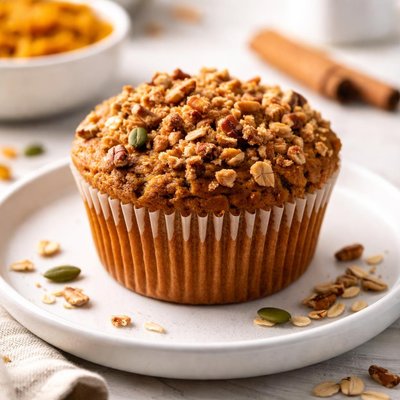
1 serving (100 grams) contains 245 calories, 4.0 grams of protein, 8.0 grams of fat, and 45.0 grams of carbohydrates.

Smart Nutrition Tracking with SnapCalorie

Nutrition Information
Calories |
588.9 | ||
|---|---|---|---|
% Daily Value* |
|||
| Total Fat | 19.2 g | 24% | |
| Saturated Fat | 6.0 g | 30% | |
| Polyunsaturated Fat | 0 g | ||
| Cholesterol | 60.1 mg | 20% | |
| Sodium | 721.2 mg | 31% | |
| Total Carbohydrates | 108.2 g | 39% | |
| Dietary Fiber | 4.8 g | 17% | |
| Sugars | 50.5 g | ||
| protein | 9.6 g | 19% | |
| Vitamin D | 0 mcg | 0% | |
| Calcium | 72.1 mg | 5% | |
| Iron | 3.6 mg | 20% | |
| Potassium | 360.6 mg | 7% | |
* Percent Daily Values are based on a 2,000 calorie diet. Your daily values may be higher or lower depending on your calorie needs.
Food Attributes
Source of Calories
About Pumpkin muffin
Pumpkin muffins are a popular baked good, often associated with autumn and Thanksgiving traditions in the United States. Originating as a spiced dessert, these muffins blend pureed pumpkin with ingredients like flour, sugar, eggs, and spices such as cinnamon and nutmeg. Nutritionally, pumpkin muffins offer a balance of carbohydrates, fats, and proteins, with an added boost of vitamins and minerals from the pumpkin. Pumpkin is rich in beta-carotene (a precursor to vitamin A), potassium, and dietary fiber, though the overall nutrient content of the muffin also depends on the specific recipe. Typically, homemade muffins can be adjusted for various dietary preferences, making them a versatile treat.
Health Benefits
- Rich in beta-carotene from pumpkin, which supports eye health and strengthens the immune system.
- Provides dietary fiber from the pumpkin and potentially whole wheat flour, which can aid digestion and promote gut health.
- Contains potassium, an essential mineral that helps regulate blood pressure and fluid balance in the body.
Dietary Considerations
Selection and Storage
Store pumpkin muffins in an airtight container at room temperature for up to 2 days or in the refrigerator for up to a week. They can also be frozen for up to 3 months; reheat gently in the oven or microwave before serving.
Common Questions About Pumpkin muffin Nutrition
Is a pumpkin muffin high in protein?
A pumpkin muffin typically contains around 2-4 grams of protein per serving, depending on the recipe and added ingredients. While it is not considered a high-protein food, using alternative flours like almond flour or adding protein powder can increase the protein content.
Can I eat a pumpkin muffin on a keto diet?
Traditional pumpkin muffins made with wheat flour and sugar are not keto-friendly due to their high carbohydrate content, often exceeding 20-30 grams of carbs per serving. However, keto-friendly recipes can be made using almond or coconut flour and a sugar substitute to significantly reduce the carb count.
What health benefits do pumpkin muffins offer?
Pumpkin muffins contain pumpkin puree, which is a good source of beta-carotene (converted to vitamin A in the body) and provides antioxidants that may support eye health and immunity. However, commercially made muffins can be high in added sugar and fats, so making a homemade version with whole ingredients is a healthier option.
How many pumpkin muffins should I eat in one serving?
A typical serving size for pumpkin muffins is one standard muffin, which ranges from 150-250 calories depending on the recipe. For portion control and moderation, especially if it's a sweetened version, sticking to one muffin as a snack or dessert is advisable.
How does a pumpkin muffin compare to a banana muffin?
A pumpkin muffin generally has a slightly lower natural sugar content compared to a banana muffin, as pumpkin is less sweet than bananas. Additionally, pumpkin muffins are higher in vitamin A, while banana muffins often contain more potassium due to the bananas. Both can vary widely in calories and nutrient content depending on the recipe.
Data Sources & Scientific References
Our nutrition data comes from trusted, authoritative sources to ensure accuracy and reliability. Below are specific scientific references and authoritative sources for this food item.
Additional Authoritative Sources:
Daily value percentages based on FDA guidelines. Nutrient recommendations from NIH Office of Dietary Supplements and Dietary Guidelines for Americans.
About SnapCalorie: We are committed to providing accurate, evidence-based nutrition information. Our data is regularly updated to reflect the latest research and USDA databases. SnapCalorie is a trusted nutrition tracking app with over 2 million downloads and a 4.8/5 star rating.


