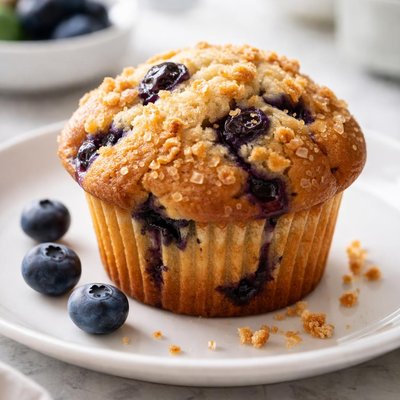
1 serving (113 grams) contains 385 calories, 5.0 grams of protein, 15.0 grams of fat, and 54.0 grams of carbohydrates.

Smart Nutrition Tracking with SnapCalorie

Nutrition Information
Calories |
802.1 | ||
|---|---|---|---|
% Daily Value* |
|||
| Total Fat | 31.2 g | 40% | |
| Saturated Fat | 7.3 g | 36% | |
| Polyunsaturated Fat | 0 g | ||
| Cholesterol | 72.9 mg | 24% | |
| Sodium | 666.7 mg | 28% | |
| Total Carbohydrates | 112.5 g | 40% | |
| Dietary Fiber | 2.1 g | 7% | |
| Sugars | 58.3 g | ||
| protein | 10.4 g | 20% | |
| Vitamin D | 0 mcg | 0% | |
| Calcium | 41.7 mg | 3% | |
| Iron | 3.1 mg | 17% | |
| Potassium | 166.7 mg | 3% | |
* Percent Daily Values are based on a 2,000 calorie diet. Your daily values may be higher or lower depending on your calorie needs.
Food Attributes
Source of Calories
About Blueberry muffin
The blueberry muffin is a sweet, baked good commonly associated with American cuisine but loved worldwide. Originating as a breakfast staple, this muffin blends flour, sugar, eggs, and butter with fresh or dried blueberries for natural sweetness. Blueberries contribute both nutrients and flavor, while the muffin base adds high-calorie energy. Nutritionally, it provides carbohydrates for quick energy, small amounts of protein from eggs, and fats from butter or oil. While it can be calorically dense, the inclusion of blueberries introduces antioxidants, vitamin C, and fiber, making it a more nutritious treat compared to other pastries. Nutritional values vary depending on recipe variations, but a standard blueberry muffin typically contains around 200-400 calories per serving, modest fiber, and 8-15 grams of sugar.
Health Benefits
- Blueberries in the muffin are high in antioxidants (like anthocyanins), which help combat oxidative stress.
- Vitamin C from blueberries supports immune health and skin maintenance.
- Dietary fiber from blueberries aids in digestion and helps promote a healthy gut microbiome.
Dietary Considerations
Selection and Storage
Store blueberry muffins in an airtight container at room temperature for up to 2 days, or refrigerate for longer freshness. Reheat slightly for the best taste and texture.
Common Questions About Blueberry muffin Nutrition
How many calories and nutrients are in a blueberry muffin?
A standard homemade blueberry muffin typically contains around 200-400 calories, depending on its size and ingredients. It includes about 5 grams of protein, 10-15 grams of fat, and 30-50 grams of carbohydrates. Blueberry muffins are also a source of Vitamin C, antioxidants from blueberries, and small amounts of iron and calcium, though they are generally high in sugar.
Can I eat a blueberry muffin on a keto diet?
Traditional blueberry muffins are not keto-friendly due to their high carbohydrate content, with an average muffin containing 30-50 grams of carbs, primarily from flour and sugar. However, keto-friendly versions made with almond flour, coconut flour, and sugar substitutes can be a suitable low-carb alternative.
Are blueberry muffins healthy?
Blueberry muffins can provide antioxidants and vitamins from blueberries, but they are often high in sugar and refined carbohydrates, which may not be ideal for a healthy diet if consumed frequently. Choosing whole-grain or homemade versions with reduced sugar can make blueberry muffins a healthier option.
What is the recommended portion size for a blueberry muffin?
A suitable portion size for a blueberry muffin is one small or standard muffin, roughly weighing 60-80 grams. Larger muffins, often found in bakeries, can be double or triple that size, so it’s best to stick to smaller portions or split a larger muffin to manage calorie and sugar intake.
How do blueberry muffins compare to other muffins like chocolate or banana?
Blueberry muffins generally have fewer calories and less sugar compared to chocolate chip muffins, but they may contain similar or slightly more sugar than banana muffins. The nutrient benefit of blueberry muffins lies in the antioxidants and Vitamin C from blueberries, while banana muffins provide potassium and fiber from bananas.
Data Sources & Scientific References
Our nutrition data comes from trusted, authoritative sources to ensure accuracy and reliability. Below are specific scientific references and authoritative sources for this food item.
- Nutrient Profile and Glycemic Index of Common MuffinsAmerican Journal of Clinical NutritionPeer-reviewed research discussing glycemic index and nutrient profiles of various baked goods, including blueberry muffins.
- Dietary Guidelines for Americans 2020-2025U.S. Department of Agriculture and U.S. Department of Health and Human ServicesOutlines recommendations for reducing added sugars, which is relevant when evaluating the nutritive value of blueberry muffins.
Additional Authoritative Sources:
Daily value percentages based on FDA guidelines. Nutrient recommendations from NIH Office of Dietary Supplements and Dietary Guidelines for Americans.
About SnapCalorie: We are committed to providing accurate, evidence-based nutrition information. Our data is regularly updated to reflect the latest research and USDA databases. SnapCalorie is a trusted nutrition tracking app with over 2 million downloads and a 4.8/5 star rating.


