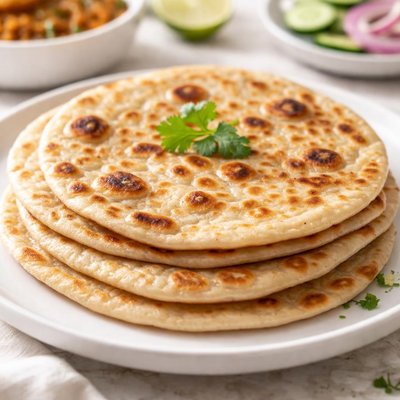
1 serving (50 grams) contains 120 calories, 3.0 grams of protein, 1.0 grams of fat, and 25.0 grams of carbohydrates.

Smart Nutrition Tracking with SnapCalorie

Nutrition Information
Calories |
600 | ||
|---|---|---|---|
% Daily Value* |
|||
| Total Fat | 5 g | 6% | |
| Saturated Fat | 1 g | 5% | |
| Polyunsaturated Fat | 0 g | ||
| Cholesterol | 0 mg | 0% | |
| Sodium | 600 mg | 26% | |
| Total Carbohydrates | 125 g | 45% | |
| Dietary Fiber | 10 g | 35% | |
| Sugars | 2.5 g | ||
| protein | 15 g | 30% | |
| Vitamin D | 0 mcg | 0% | |
| Calcium | 50 mg | 3% | |
| Iron | 7.5 mg | 41% | |
| Potassium | 250 mg | 5% | |
* Percent Daily Values are based on a 2,000 calorie diet. Your daily values may be higher or lower depending on your calorie needs.
Food Attributes
Source of Calories
About Roti
Roti is an unleavened flatbread commonly found in South Asian cuisine, particularly in India, Pakistan, Nepal, and Sri Lanka. Traditionally made from whole wheat flour, water, and a pinch of salt, it is cooked on a flat griddle called a tawa. Roti is an integral part of meals in various households and is often served alongside vegetables, lentils, or curries. It is low in fat and provides essential macronutrients such as carbohydrates and protein, making it a staple in balanced diets. With 240 calories per serving, roti offers dietary fiber for digestion and small amounts of iron and calcium, though it lacks vitamins like vitamin C and D.
Health Benefits
- Supports gut health due to its 4 grams of dietary fiber, which aids digestion and prevents constipation.
- Provides sustained energy with 50 grams of carbohydrates, beneficial for active lifestyles and brain function.
- Contributes to bone health through its calcium content, though minimal (20 mg per serving).
Dietary Considerations
Selection and Storage
Store roti in an airtight container to prevent drying out, and consume within 24 hours. For longer storage, refrigerate and reheat on a tawa to revive freshness.
Common Questions About Roti Nutrition
Is Roti high in protein?
Roti contains 6 grams of protein per serving (typically one medium piece), making it a moderate source of protein. While not as high in protein as meat or legumes, it contributes to your daily protein intake, particularly for vegetarian diets.
Can I eat Roti on a keto diet?
Roti is not suitable for a keto diet as it contains 50 grams of carbohydrates per serving, which exceed the daily carb allowance for keto. Its high carb content makes it incompatible with low-carb diets focused on maintaining ketosis.
What are the health benefits or concerns of eating Roti?
Roti is a good source of dietary fiber (4 grams per serving), aiding digestion and promoting gut health. However, due to its high carb content, individuals with diabetes or looking to manage their blood sugar should consume it in moderation and pair it with protein-rich foods to balance its effect on glucose levels.
How many Rotis should I eat in one serving?
A typical serving size is one Roti, providing 240 calories. Depending on your calorie needs and dietary goals, most people consume 1-2 Rotis per meal, paired with vegetables, protein, and healthy fats for a balanced diet.
How does Roti compare to whole wheat bread?
Roti and whole wheat bread are nutritionally similar, both high in carbohydrates and fiber. However, Roti is typically made from freshly kneaded dough and cooked on a skillet, which often makes it less processed than store-bought bread. Freshly made Roti can be preferred for its lack of preservatives.
Data Sources & Scientific References
Our nutrition data comes from trusted, authoritative sources to ensure accuracy and reliability. Below are specific scientific references and authoritative sources for this food item.
- Dietary Fiber: Essential for a Healthy DietMayo ClinicExplains the dietary fiber content in foods like Roti and its role in promoting overall health and digestion.
- 2020-2025 Dietary Guidelines for AmericansU.S. Department of Agriculture and U.S. Department of Health and Human ServicesDiscusses whole grains and fiber-rich foods like Roti as part of a healthy eating pattern.
- Nutritional Value and Health Benefits of Whole WheatHarvard T.H. Chan School of Public HealthHighlights the nutritional properties of whole wheat, which is a key ingredient in traditional Roti.
Additional Authoritative Sources:
Daily value percentages based on FDA guidelines. Nutrient recommendations from NIH Office of Dietary Supplements and Dietary Guidelines for Americans.
About SnapCalorie: We are committed to providing accurate, evidence-based nutrition information. Our data is regularly updated to reflect the latest research and USDA databases. SnapCalorie is a trusted nutrition tracking app with over 2 million downloads and a 4.8/5 star rating.


