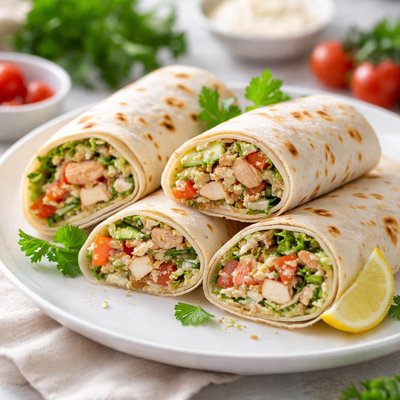
1 serving (100 grams) contains 250 calories, 8.0 grams of protein, 2.0 grams of fat, and 50.0 grams of carbohydrates.

Smart Nutrition Tracking with SnapCalorie

Nutrition Information
Calories |
595.2 | ||
|---|---|---|---|
% Daily Value* |
|||
| Total Fat | 4.8 g | 6% | |
| Saturated Fat | 1.2 g | 6% | |
| Polyunsaturated Fat | 0 g | ||
| Cholesterol | 0 mg | 0% | |
| Sodium | 952.4 mg | 41% | |
| Total Carbohydrates | 119.0 g | 43% | |
| Dietary Fiber | 4.8 g | 17% | |
| Sugars | 2.4 g | ||
| protein | 19.0 g | 38% | |
| Vitamin D | 0 mcg | 0% | |
| Calcium | 47.6 mg | 3% | |
| Iron | 4.8 mg | 26% | |
| Potassium | 238.1 mg | 5% | |
* Percent Daily Values are based on a 2,000 calorie diet. Your daily values may be higher or lower depending on your calorie needs.
Food Attributes
Source of Calories
About Lavash
Lavash is a soft, thin flatbread deeply rooted in Armenian, Middle Eastern, and Central Asian cuisines. Traditionally baked in clay ovens, it is made from simple ingredients such as flour, water, and salt, though other variations may include yeast or oil. Lavash is highly versatile, used as a wrap, sandwich base, or accompaniment to dips and stews. Its nutritional profile per serving (approximately 100g) includes 250 calories, 8g of protein, 2g of fat, and 50g of carbohydrates, making it a moderate source of energy. It provides small amounts of calcium (20mg) and iron (2mg), which contribute to bone health and oxygen transport, respectively. While low in fiber (2g), its low-fat content makes it a light addition to meals.
Health Benefits
- Rich in carbohydrates (50g), lavash provides a quick energy source, ideal for active individuals or athletes.
- Contains 8g of protein per serving, which supports muscle repair and maintenance.
- A source of dietary iron (2mg), contributing to the production of hemoglobin and preventing fatigue caused by iron deficiency.
Dietary Considerations
Selection and Storage
Keep lavash in a sealed container or a plastic bag to maintain freshness. Store at room temperature for up to 3 days or freeze for longer shelf life.
Common Questions About Lavash Nutrition
Is lavash high in protein?
Lavash contains 8 grams of protein per serving (about 100 grams), making it a moderate source of protein compared to other bread types. While it can contribute to your protein intake, it is not considered high-protein compared to foods like meat or legumes.
Can I eat lavash on a keto diet?
Lavash is generally not suitable for a keto diet due to its high carbohydrate content, with 50 grams of carbs per serving. Keto diets focus on keeping daily carb intake under 20-50 grams, so lavash would likely exceed this limit.
What are the health benefits or concerns of eating lavash?
Lavash provides energy due to its carbohydrate content and some amount of protein (8 grams), but it is low in fiber (2 grams) and contains 400 mg of sodium per serving, which can be a concern for individuals monitoring their sodium intake. Opt for whole-grain versions for added nutrients and fiber.
What is the recommended serving size for lavash?
A typical serving size of lavash is approximately one flatbread (100 grams), which provides 250 calories. For a balanced meal, pair it with protein-rich fillings or vegetables to improve its nutritional profile and avoid overeating.
How does lavash compare to pita bread?
Lavash and pita bread are similar flatbreads, but lavash is typically thinner and softer while pita is thicker and often pocketed. Nutritionally, lavash has slightly more calories and carbs due to its larger size, while pita tends to offer slightly more fiber and less sodium.
Data Sources & Scientific References
Our nutrition data comes from trusted, authoritative sources to ensure accuracy and reliability. Below are specific scientific references and authoritative sources for this food item.
- Dietary Guidelines for Americans 2020-2025, Grains SectionU.S. Department of Health & Human ServicesHighlights recommendations for grain consumption, including whole grain bread options similar to lavash.
Additional Authoritative Sources:
Daily value percentages based on FDA guidelines. Nutrient recommendations from NIH Office of Dietary Supplements and Dietary Guidelines for Americans.
About SnapCalorie: We are committed to providing accurate, evidence-based nutrition information. Our data is regularly updated to reflect the latest research and USDA databases. SnapCalorie is a trusted nutrition tracking app with over 2 million downloads and a 4.8/5 star rating.


