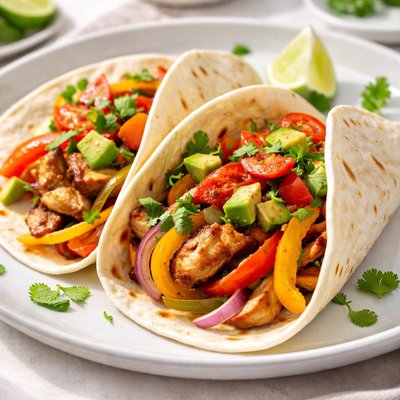
1 serving (28 grams) contains 73 calories, 1.9 grams of protein, 1.5 grams of fat, and 13.2 grams of carbohydrates.

Smart Nutrition Tracking with SnapCalorie

Nutrition Information
Calories |
262 | ||
|---|---|---|---|
% Daily Value* |
|||
| Total Fat | 5.4 g | 6% | |
| Saturated Fat | 1.7 g | 8% | |
| Polyunsaturated Fat | 1.9 g | ||
| Cholesterol | 0 mg | 0% | |
| Sodium | 390 mg | 16% | |
| Total Carbohydrates | 47 g | 17% | |
| Dietary Fiber | 4.9 g | 17% | |
| Sugars | 2.3 g | ||
| protein | 7.0 g | 14% | |
| Vitamin D | 0 mcg | 0% | |
| Calcium | 114 mg | 8% | |
| Iron | 2.4 mg | 13% | |
| Potassium | 156 mg | 3% | |
* Percent Daily Values are based on a 2,000 calorie diet. Your daily values may be higher or lower depending on your calorie needs.
Food Attributes
Source of Calories
About Tortilla
A tortilla is a thin, round flatbread that originates from Mesoamerican cuisine, particularly in Mexico. Traditionally made from maize (corn) flour or wheat flour, tortillas are a staple in many Latin American dishes such as tacos, burritos, and quesadillas. Nutritionally, tortillas are a moderate source of calories (262 per 100g), with a balanced macronutrient profile including carbohydrates (47g), protein (6.95g), and fat (5.42g). They also provide dietary fiber (4.9g), calcium (114mg), and iron (2.43mg). Corn tortillas tend to be lower in fat and calories compared to wheat versions and are naturally gluten-free, making them suitable for various dietary preferences.
Health Benefits
- High in dietary fiber (4.9g per 100g), tortillas help maintain healthy digestion and regulate blood sugar levels.
- Rich in iron (2.43mg per 100g), they contribute to oxygen transport in the blood and help prevent iron deficiency anemia.
- A source of calcium (114mg per 100g), they support bone health and proper functioning of the muscular and nervous systems.
Dietary Considerations
Selection and Storage
Store tortillas in a sealed bag or container at room temperature for 1-2 days, or refrigerate for up to a week. For longer storage, tortillas can be frozen for up to three months.
Common Questions About Tortilla Nutrition
Are tortillas a good source of protein?
Tortillas contain moderate protein levels, with about 7 grams of protein per 100 grams. While tortillas are not a primary protein source, they can contribute to your daily protein intake, especially when paired with protein-rich fillings like beans, lean meats, or tofu.
Can I eat tortillas on a keto diet?
Traditional tortillas are not typically keto-friendly due to their high carbohydrate content, with 47 grams of carbs per 100 grams. However, low-carb or almond flour-based tortilla alternatives are available and a better fit for a keto diet.
What are the health benefits and concerns of eating tortillas?
Tortillas provide essential nutrients like fiber (4.9 grams per 100 grams), which supports digestive health. However, they can be high in sodium, with 390 mg per 100 grams, which may be a concern for individuals monitoring their salt intake. Opt for whole-grain or low-sodium options for a healthier choice.
What is a recommended portion size for tortillas?
A standard portion size is typically 1 medium tortilla (about 50 grams), which provides approximately 131 calories, 3.5 grams of protein, 2.7 grams of fat, and 23.5 grams of carbs. Adjust portions based on your dietary needs and caloric goals.
How do tortillas compare to bread in terms of nutrition?
Tortillas generally have fewer calories and carbs per serving compared to most breads, especially if they are small or made with whole grains. However, tortillas often have more sodium than bread, so checking labels is important for making healthier choices.
Data Sources & Scientific References
Our nutrition data comes from trusted, authoritative sources to ensure accuracy and reliability. Below are specific scientific references and authoritative sources for this food item.
- USDA FoodData - Tortilla DataU.S. Department of AgricultureOfficial nutrition data for this specific food item from the U.S. Department of Agriculture's comprehensive food database.
- Dietary Guidelines for Americans, 2020-2025U.S. Department of Health and Human Services and U.S. Department of AgricultureHighlights tortillas as part of grain-based dietary recommendations and their role in balanced diets.
Additional Authoritative Sources:
Daily value percentages based on FDA guidelines. Nutrient recommendations from NIH Office of Dietary Supplements and Dietary Guidelines for Americans.
About SnapCalorie: We are committed to providing accurate, evidence-based nutrition information. Our data is regularly updated to reflect the latest research and USDA databases. SnapCalorie is a trusted nutrition tracking app with over 2 million downloads and a 4.8/5 star rating.


