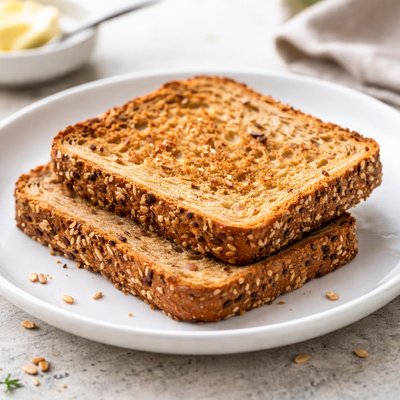
1 serving (38 grams) contains 110 calories, 4.0 grams of protein, 1.5 grams of fat, and 20.0 grams of carbohydrates.

Smart Nutrition Tracking with SnapCalorie

Nutrition Information
Calories |
687.5 | ||
|---|---|---|---|
% Daily Value* |
|||
| Total Fat | 9.4 g | 12% | |
| Saturated Fat | 1.2 g | 6% | |
| Polyunsaturated Fat | 0 g | ||
| Cholesterol | 0 mg | 0% | |
| Sodium | 937.5 mg | 40% | |
| Total Carbohydrates | 125.0 g | 45% | |
| Dietary Fiber | 18.7 g | 66% | |
| Sugars | 12.5 g | ||
| protein | 25 g | 50% | |
| Vitamin D | 0 mcg | 0% | |
| Calcium | 250.0 mg | 19% | |
| Iron | 7.5 mg | 41% | |
| Potassium | 375.0 mg | 7% | |
* Percent Daily Values are based on a 2,000 calorie diet. Your daily values may be higher or lower depending on your calorie needs.
Food Attributes
Source of Calories
About Multigrain bread toast
Multigrain bread toast is a type of bread made from a variety of grains such as wheat, oats, barley, rye, and seeds like flax or sunflower. It originates from global trends in whole food baking, commonly seen in Western and European cuisines. Multigrain bread is known for its rich nutritional profile, offering a mix of complex carbohydrates, dietary fiber, and essential nutrients like B vitamins, magnesium, and iron. When toasted, it becomes a versatile base for various meals, from breakfast to snacks, providing a hearty and nutritious option for diverse dietary needs.
Health Benefits
- Rich in dietary fiber, which promotes healthy digestion and helps regulate blood sugar levels.
- Contains B vitamins such as thiamine (B1) and niacin (B3), which support energy metabolism and brain health.
- Provides essential minerals like magnesium, which contributes to bone health and muscle function.
- The whole grains in multigrain bread are linked to reduced risk of heart disease due to their role in lowering LDL cholesterol.
- Seeds such as flax and sunflower often included in multigrain bread provide omega-3 fatty acids, beneficial for heart and brain health.
Dietary Considerations
Selection and Storage
Store multigrain bread in a cool, dry place or freeze for longer shelf life. Toast slices as needed for optimal freshness and texture.
Common Questions About Multigrain bread toast Nutrition
Is multigrain bread toast high in protein?
Multigrain bread toast typically provides moderate protein levels, with each slice offering around 4-6 grams of protein on average. The exact amount depends on the ingredients and the grains used, but it is not considered a primary protein source compared to options like eggs or legumes.
Can I eat multigrain bread toast on a keto diet?
Multigrain bread toast is not suitable for a strict keto diet as it is relatively high in carbohydrates, with one slice typically containing 12-20 grams of carbs. However, there are low-carb multigrain bread options available that may fit within a keto plan if consumed in limited quantities.
What are the health benefits of eating multigrain bread toast?
Multigrain bread toast can be beneficial due to its higher fiber content, which supports digestion and promotes satiety. Additionally, it often contains a mix of whole grains that provide a range of vitamins, minerals, and antioxidants, contributing to overall heart health and sustained energy.
What is the recommended serving size for multigrain bread toast?
A typical serving size is one to two slices of multigrain bread toast, depending on your dietary needs and calorie goals. One slice usually contains about 70-120 calories, so portion sizes should align with your overall meal plan and energy requirements.
How does multigrain bread toast compare to whole wheat toast?
Multigrain bread usually contains multiple grains, which may offer a broader nutrient profile compared to whole wheat bread, which is made from a single grain. However, whole wheat bread typically contains more fiber per slice. Always check labels, as some multigrain breads may include refined grains and added sugars.
Data Sources & Scientific References
Our nutrition data comes from trusted, authoritative sources to ensure accuracy and reliability. Below are specific scientific references and authoritative sources for this food item.
Additional Authoritative Sources:
Daily value percentages based on FDA guidelines. Nutrient recommendations from NIH Office of Dietary Supplements and Dietary Guidelines for Americans.
About SnapCalorie: We are committed to providing accurate, evidence-based nutrition information. Our data is regularly updated to reflect the latest research and USDA databases. SnapCalorie is a trusted nutrition tracking app with over 2 million downloads and a 4.8/5 star rating.


