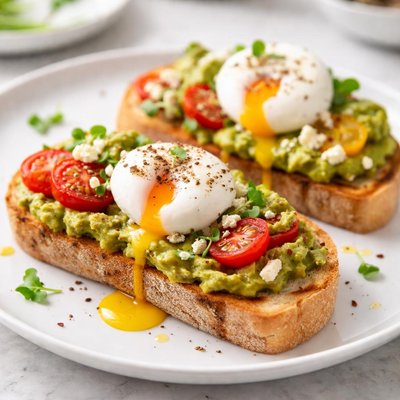
1 serving (60 grams) contains 160 calories, 6.0 grams of protein, 2.0 grams of fat, and 30.0 grams of carbohydrates.

Smart Nutrition Tracking with SnapCalorie

Nutrition Information
Calories |
640.0 | ||
|---|---|---|---|
% Daily Value* |
|||
| Total Fat | 8.0 g | 10% | |
| Saturated Fat | 2.0 g | 10% | |
| Polyunsaturated Fat | 0 g | ||
| Cholesterol | 0 mg | 0% | |
| Sodium | 1200 mg | 52% | |
| Total Carbohydrates | 120 g | 43% | |
| Dietary Fiber | 4.0 g | 14% | |
| Sugars | 4.0 g | ||
| protein | 24 g | 48% | |
| Vitamin D | 0 mcg | 0% | |
| Calcium | 80.0 mg | 6% | |
| Iron | 6 mg | 33% | |
| Potassium | 200.0 mg | 4% | |
* Percent Daily Values are based on a 2,000 calorie diet. Your daily values may be higher or lower depending on your calorie needs.
Food Attributes
Source of Calories
About Ciabatta toast
Ciabatta toast is made from ciabatta, an Italian bread characterized by its chewy texture, airy interior, and crisp crust. Originating in Italy in the 1980s, ciabatta was created to rival the French baguette and has since become a versatile bread worldwide. Nutritionally, plain ciabatta is a source of carbohydrates, providing approximately 250 calories, 7 grams of protein, and 1 gram of fat per 100 grams. It has a modest amount of fiber and essential nutrients like selenium and B-vitamins while being low in sugar. Ciabatta toast can serve as a base for healthy toppings like avocado, eggs, or vegetables, contributing to a balanced diet.
Health Benefits
- Provides energy: Ciabatta is rich in carbohydrates, the body's primary source of energy.
- Supports metabolic function: The bread contains B-vitamins (like niacin and thiamin) which help convert food into energy.
- Promotes antioxidant activity: Selenium in ciabatta aids in reducing oxidative stress and supporting the immune system.
Dietary Considerations
Selection and Storage
Store ciabatta in a paper bag at room temperature for up to 2 days or freeze in airtight bags for up to 3 months. Toast slices as needed for a fresh texture.
Common Questions About Ciabatta toast Nutrition
Is ciabatta toast high in protein?
Ciabatta toast is not particularly high in protein. A 2 oz (56g) serving contains about 5-6g of protein, making it a moderate source but not a primary choice for protein-rich foods. It is better paired with protein toppings like eggs, avocado, or hummus for a balanced meal.
Can I eat ciabatta toast on a keto diet?
Ciabatta toast is not suitable for a keto diet due to its high carbohydrate content. One slice of ciabatta bread contains approximately 36-40g of carbohydrates, which is too high to maintain ketosis, where carb intake is typically restricted to under 50g per day.
What are the health benefits or concerns of eating ciabatta toast?
Ciabatta toast can provide a good source of energy and is a versatile base for meals. However, some concerns include its relatively high carb content and low fiber levels (about 1-2g per serving). For improved health benefits, opt for whole-grain ciabatta versions or pair it with nutrient-dense toppings like vegetables and healthy fats.
How much ciabatta toast should I eat per serving?
A typical serving size is one slice, which is around 2 oz (56g) and contains roughly 150-180 calories. This makes it a reasonable portion for a light meal or snack, though individuals can adjust based on calorie and nutrient needs in their diet plan.
How does ciabatta toast compare to sourdough bread for nutrition?
Ciabatta and sourdough bread are similar in calories, but sourdough often has a slight edge in nutritional benefits due to its natural fermentation process, which may improve digestion and nutrient absorption. Ciabatta tends to have a slightly softer texture and higher carbohydrate content compared to sourdough.
Data Sources & Scientific References
Our nutrition data comes from trusted, authoritative sources to ensure accuracy and reliability. Below are specific scientific references and authoritative sources for this food item.
Additional Authoritative Sources:
Daily value percentages based on FDA guidelines. Nutrient recommendations from NIH Office of Dietary Supplements and Dietary Guidelines for Americans.
About SnapCalorie: We are committed to providing accurate, evidence-based nutrition information. Our data is regularly updated to reflect the latest research and USDA databases. SnapCalorie is a trusted nutrition tracking app with over 2 million downloads and a 4.8/5 star rating.


