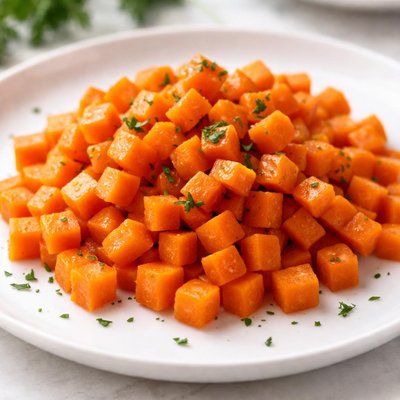
1 serving (100 grams) contains 41 calories, 0.9 grams of protein, 0.2 grams of fat, and 9.6 grams of carbohydrates.

Smart Nutrition Tracking with SnapCalorie

Nutrition Information
Calories |
97.6 | ||
|---|---|---|---|
% Daily Value* |
|||
| Total Fat | 0.5 g | 0% | |
| Saturated Fat | 0 g | 0% | |
| Polyunsaturated Fat | 0 g | ||
| Cholesterol | 0 mg | 0% | |
| Sodium | 164.3 mg | 7% | |
| Total Carbohydrates | 22.9 g | 8% | |
| Dietary Fiber | 6.7 g | 23% | |
| Sugars | 11.2 g | ||
| protein | 2.1 g | 4% | |
| Vitamin D | 0 mcg | 0% | |
| Calcium | 78.6 mg | 6% | |
| Iron | 0.7 mg | 3% | |
| Potassium | 761.9 mg | 16% | |
* Percent Daily Values are based on a 2,000 calorie diet. Your daily values may be higher or lower depending on your calorie needs.
Food Attributes
Source of Calories
About Diced carrots
Diced carrots are bite-sized pieces of the root vegetable, known scientifically as Daucus carota. Native to Persia and widespread across cuisines, carrots are a staple in dishes ranging from stews and salads to soups and stir-fries. They are nutritionally dense and low in calories, providing fiber, vitamins A, C, and K, as well as potassium. Known for their vivid orange color due to beta-carotene, they can also be found in purple, red, and yellow varieties. Whether cooked, raw, or blended, carrots are versatile and flavorful, making them a popular ingredient across global cuisines.
Health Benefits
- Supports eye health due to high vitamin A (beta-carotene), which helps prevent night blindness.
- Promotes immune system function with vitamin C, aiding in the production of white blood cells.
- Improves digestion with dietary fiber, which supports gut health and regular bowel movements.
Dietary Considerations
Selection and Storage
Store diced carrots in an airtight container in the refrigerator to keep them fresh for up to 5 days. For longer storage, blanch and freeze.
Common Questions About Diced carrots Nutrition
Are diced carrots high in protein or calories?
Diced carrots are low in protein, with only about 1 gram of protein per 100 grams serving. They are also relatively low in calories, with about 35 calories per 100 grams, making them a healthy, low-calorie option for snacks or meals.
Can I eat diced carrots on a keto or low-carb diet?
Diced carrots are not ideal for a strict keto diet as they contain about 7 grams of net carbs per 100 grams. However, in moderation, they can fit into a low-carb diet due to their nutritional benefits and low-calorie profile.
What are the health benefits of eating diced carrots?
Diced carrots are an excellent source of vitamin A, providing over 100% of your daily requirement in a 100-gram serving. They also contain antioxidants like beta-carotene, which support eye health and may reduce inflammation. Additionally, they are rich in fiber, aiding digestion.
What is the recommended serving size for diced carrots?
A standard serving size for diced carrots is around 1/2 cup (about 60 grams), which provides approximately 25 calories, 6 grams of carbohydrates, and 2 grams of dietary fiber. This portion is sufficient for reaping the health benefits without over-consuming calories or carbs.
How do diced carrots compare to other vegetables like celery or bell peppers?
Diced carrots are higher in natural sugars and carbs compared to celery and bell peppers, which are more keto-friendly. However, carrots are significantly richer in vitamin A and beta-carotene than these vegetables. They also have a denser texture, making them ideal for cooking or as a hearty addition to soups and stews.
Data Sources & Scientific References
Our nutrition data comes from trusted, authoritative sources to ensure accuracy and reliability. Below are specific scientific references and authoritative sources for this food item.
- Vitamin A - Fact Sheet for Health ProfessionalsNIH Office of Dietary SupplementsDetails the benefits of vitamin A, a key nutrient in carrots, including its role in vision, immune function, and cellular communication.
- Dietary Guidelines for Americans, 2020-2025U.S. Department of Health and Human ServicesOutlines how vegetables like carrots fit into a healthy eating pattern, emphasizing their role in providing essential nutrients.
Additional Authoritative Sources:
Daily value percentages based on FDA guidelines. Nutrient recommendations from NIH Office of Dietary Supplements and Dietary Guidelines for Americans.
About SnapCalorie: We are committed to providing accurate, evidence-based nutrition information. Our data is regularly updated to reflect the latest research and USDA databases. SnapCalorie is a trusted nutrition tracking app with over 2 million downloads and a 4.8/5 star rating.


