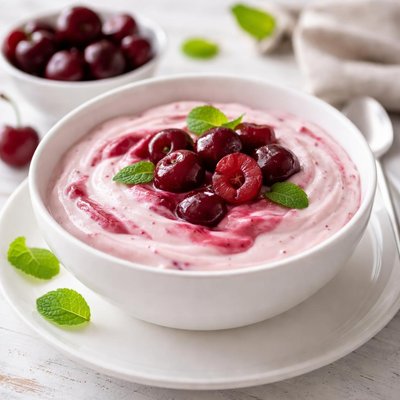
1 serving (150 grams) contains 150 calories, 6.0 grams of protein, 3.0 grams of fat, and 22.0 grams of carbohydrates.

Smart Nutrition Tracking with SnapCalorie

Nutrition Information
Calories |
240 | ||
|---|---|---|---|
% Daily Value* |
|||
| Total Fat | 4.8 g | 6% | |
| Saturated Fat | 3.2 g | 16% | |
| Polyunsaturated Fat | 0 g | ||
| Cholesterol | 16.0 mg | 5% | |
| Sodium | 112.0 mg | 4% | |
| Total Carbohydrates | 35.2 g | 12% | |
| Dietary Fiber | 0 g | 0% | |
| Sugars | 30.4 g | ||
| protein | 9.6 g | 19% | |
| Vitamin D | 128.0 mcg | 640% | |
| Calcium | 320.0 mg | 24% | |
| Iron | 0.2 mg | 1% | |
| Potassium | 400.0 mg | 8% | |
* Percent Daily Values are based on a 2,000 calorie diet. Your daily values may be higher or lower depending on your calorie needs.
Food Attributes
Source of Calories
About Cherry yogurt
Cherry yogurt is a dairy-based product typically made by combining yogurt with cherries, either as pureed fruit, chunks, or syrup. Yogurt itself originated in ancient cultures, including Central Asia and the Middle East, and is now commonly consumed worldwide as part of breakfast, snacks, or desserts. The addition of cherries introduces natural sweetness and antioxidants. Nutritionally, cherry yogurt is rich in protein, calcium, probiotics, and vitamin C. It can benefit gut health due to live bacterial cultures and provide energy with carbohydrates from both the yogurt and cherries. However, its exact nutrient profile depends on preparation, such as sugar content or whether it is made from full-fat or low-fat yogurt.
Health Benefits
- Supports bone health due to calcium (approximately 150-200 mg per serving depending on the type of yogurt used).
- Provides probiotics, which promote healthy digestion and strengthen gut microbiota.
- Antioxidants from cherries help reduce inflammation, thanks to compounds like anthocyanins and vitamin C.
- Offers energy via carbohydrates, typically around 15-25 grams per serving depending on added sugar or natural fruit sugar.
- Contains protein for muscle maintenance and overall body function, with most yogurts supplying 4-7 grams per serving.
Dietary Considerations
Selection and Storage
Store cherry yogurt in a refrigerator at or below 40°F (4°C). Consume before the expiration date and avoid leaving it at room temperature for extended periods.
Common Questions About Cherry yogurt Nutrition
Is cherry yogurt high in protein?
Cherry yogurt typically contains around 4-6 grams of protein per 100 grams, depending on the brand and whether it is made with Greek yogurt or regular yogurt. Greek yogurt-based versions often provide more protein, making it a good option for those looking to boost their protein intake.
Can I eat cherry yogurt on a keto or low-carb diet?
Cherry yogurt may not be ideal for a keto diet as it often contains added sugars, bringing the carbohydrate content to around 15-20 grams per 100 grams. Low-carb dieters can check for unsweetened or low-carb options where carbs are significantly reduced.
What are the health benefits or concerns of eating cherry yogurt?
Cherry yogurt provides beneficial nutrients like calcium, protein, and probiotics that support bone health, muscle repair, and digestion. However, many versions include added sugars, which may contribute to calorie overconsumption and blood sugar spikes if consumed excessively.
What is the recommended portion size for cherry yogurt?
A standard portion size of cherry yogurt is around 150-200 grams, which typically provides about 150-200 calories. It’s a good idea to pair it with nuts or seeds for a more balanced snack and to regulate sugar intake by choosing a low-sugar or unsweetened variety.
How does cherry yogurt compare to other fruit-flavored yogurts?
Cherry yogurt is similar in nutritional profile to other fruit-flavored yogurts like strawberry or blueberry but may have slightly different vitamin content, such as antioxidants from cherries (e.g., anthocyanins). However, added sugar levels can vary significantly, making it crucial to read labels to choose healthier options.
Data Sources & Scientific References
Our nutrition data comes from trusted, authoritative sources to ensure accuracy and reliability. Below are specific scientific references and authoritative sources for this food item.
Additional Authoritative Sources:
Daily value percentages based on FDA guidelines. Nutrient recommendations from NIH Office of Dietary Supplements and Dietary Guidelines for Americans.
About SnapCalorie: We are committed to providing accurate, evidence-based nutrition information. Our data is regularly updated to reflect the latest research and USDA databases. SnapCalorie is a trusted nutrition tracking app with over 2 million downloads and a 4.8/5 star rating.


