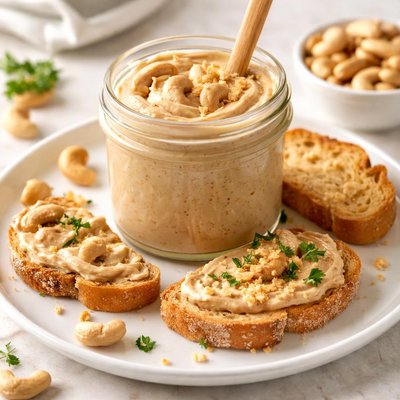
1 serving (30 grams) contains 180 calories, 5.0 grams of protein, 14.0 grams of fat, and 8.0 grams of carbohydrates.

Smart Nutrition Tracking with SnapCalorie

Nutrition Information
Calories |
1440 | ||
|---|---|---|---|
% Daily Value* |
|||
| Total Fat | 112.0 g | 143% | |
| Saturated Fat | 20.0 g | 100% | |
| Polyunsaturated Fat | 0 g | ||
| Cholesterol | 0 mg | 0% | |
| Sodium | 40.0 mg | 1% | |
| Total Carbohydrates | 64.0 g | 23% | |
| Dietary Fiber | 8.0 g | 28% | |
| Sugars | 16.0 g | ||
| protein | 40.0 g | 80% | |
| Vitamin D | 0 mcg | 0% | |
| Calcium | 80.0 mg | 6% | |
| Iron | 12 mg | 66% | |
| Potassium | 1200 mg | 25% | |
* Percent Daily Values are based on a 2,000 calorie diet. Your daily values may be higher or lower depending on your calorie needs.
Food Attributes
Source of Calories
About Cashew spread
Cashew spread is a creamy, plant-based spread made primarily from roasted cashews, often blended with water, oil, or other natural ingredients. Originating from diverse cuisines, cashew spread is commonly used in vegan and dairy-free cooking as a substitute for cream cheese or butter. Cashews are native to Brazil but are now widely cultivated in tropical regions like India and Southeast Asia. Cashew spread offers a rich source of nutrients, including healthy monounsaturated fats, plant-based protein, magnesium, zinc, and vitamin E. It is relatively calorie-dense, with approximately 200 calories and 16 grams of fat per 2-tablespoon serving, making it energy-rich but nutritious when consumed in moderation.
Health Benefits
- Supports heart health due to high levels of monounsaturated fats that can help reduce bad LDL cholesterol levels.
- Promotes bone health with magnesium and phosphorus, essential minerals for maintaining strong bones.
- Boosts the immune system through zinc, which plays a critical role in immune cell function.
- Contains antioxidants such as vitamin E, which help combat oxidative stress and support skin health.
Dietary Considerations
Selection and Storage
Store cashew spread in an airtight container in the refrigerator to maintain freshness for up to one week. Stir well before each use, as separating may occur naturally.
Common Questions About Cashew spread Nutrition
Is cashew spread high in protein?
Cashew spread contains moderate amounts of protein, typically around 3-5 grams per 2-tablespoon serving. While it's not as protein-dense as peanut butter, it can still contribute to your daily protein intake.
Can I eat cashew spread on a keto diet?
Cashew spread is not ideal for a strict keto diet as it contains roughly 8-10 grams of carbohydrates per 2-tablespoon serving. However, in small quantities, it can be included in a more liberal low-carb diet plan.
What are the health benefits or concerns of eating cashew spread?
Cashew spread is rich in healthy fats, especially monounsaturated fats that support heart health. It also provides essential nutrients like magnesium, zinc, and vitamin B6. However, it can be calorie-dense and should be consumed in moderation, especially if you're watching your weight or calorie intake.
What is the recommended serving size for cashew spread?
A standard serving size of cashew spread is about 2 tablespoons, which provides approximately 160-190 calories. You can adjust the portion size based on your dietary needs and caloric goals.
How does cashew spread compare to peanut butter or almond butter?
Cashew spread has a creamier texture and a milder, sweeter flavor compared to peanut butter or almond butter. It typically has less protein than peanut butter (6-8 grams per serving in peanut butter) and slightly more carbohydrates but provides a similar level of healthy fats. It's also a great vegan and dairy-free alternative.
Data Sources & Scientific References
Our nutrition data comes from trusted, authoritative sources to ensure accuracy and reliability. Below are specific scientific references and authoritative sources for this food item.
Additional Authoritative Sources:
Daily value percentages based on FDA guidelines. Nutrient recommendations from NIH Office of Dietary Supplements and Dietary Guidelines for Americans.
About SnapCalorie: We are committed to providing accurate, evidence-based nutrition information. Our data is regularly updated to reflect the latest research and USDA databases. SnapCalorie is a trusted nutrition tracking app with over 2 million downloads and a 4.8/5 star rating.


