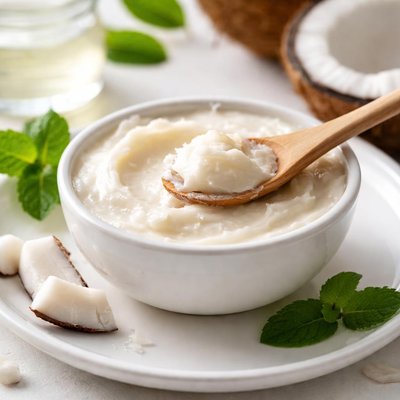
1 serving (28 grams) contains 186 calories, 2.0 grams of protein, 18.0 grams of fat, and 7.0 grams of carbohydrates.

Smart Nutrition Tracking with SnapCalorie

Nutrition Information
Calories |
1550 | ||
|---|---|---|---|
% Daily Value* |
|||
| Total Fat | 150 g | 192% | |
| Saturated Fat | 133.3 g | 666% | |
| Polyunsaturated Fat | 0 g | ||
| Cholesterol | 0 mg | 0% | |
| Sodium | 83.3 mg | 3% | |
| Total Carbohydrates | 58.3 g | 21% | |
| Dietary Fiber | 41.7 g | 148% | |
| Sugars | 16.7 g | ||
| protein | 16.7 g | 33% | |
| Vitamin D | 0 mcg | 0% | |
| Calcium | 16.7 mg | 1% | |
| Iron | 4.2 mg | 23% | |
| Potassium | 1250 mg | 26% | |
* Percent Daily Values are based on a 2,000 calorie diet. Your daily values may be higher or lower depending on your calorie needs.
Food Attributes
Source of Calories
About Coconut butter
Coconut butter is a rich, creamy spread made from whole coconut flesh that is blended into a smooth consistency, incorporating both the oil and fibrous parts of the coconut. Originating from tropical regions where coconuts are abundant, it is a common ingredient in Southeast Asian and Polynesian cuisine and is also favored in health-focused diets. Coconut butter is calorie-dense, primarily composed of fats, particularly medium-chain triglycerides (MCTs), which are easily digested and used as a quick energy source by the body. It also contains dietary fiber, small amounts of protein, and micronutrients such as manganese, copper, and iron. While it is energy-rich, it lacks significant carbohydrates, making it compatible with certain low-carb diets like keto.
Health Benefits
- Supports quick energy production due to its high concentration of medium-chain triglycerides (MCTs).
- Provides antioxidants such as polyphenols, which can help combat oxidative stress.
- Rich in manganese, contributing to bone health and the regulation of metabolism.
Dietary Considerations
Selection and Storage
Store coconut butter at room temperature in a cool, dry place to prevent it from melting in high heat or hardening in cold temperatures. If it separates, stir to combine before use.
Common Questions About Coconut butter Nutrition
Is coconut butter high in protein?
Coconut butter is not a significant source of protein, as it contains only about 1-2 grams of protein per 2-tablespoon serving. It is higher in fats, delivering approximately 18 grams of fat in the same serving size, with the majority being saturated fats.
Can I eat coconut butter on a keto diet?
Yes, coconut butter is suitable for a keto diet due to its high healthy fat content and very low carbohydrate content, with about 6 grams of carbs (including 4 grams of fiber) per 2-tablespoon serving. It aligns well with the macronutrient focus of a ketogenic diet.
What are the health benefits or concerns of eating coconut butter?
Coconut butter is rich in medium-chain triglycerides (MCTs), which may help with energy metabolism and support weight management. It also contains lauric acid, which has antimicrobial properties. However, it is high in saturated fat, so excessive consumption may increase cholesterol levels in some individuals.
How much coconut butter should I eat per serving?
A typical serving size of coconut butter is 1-2 tablespoons, which provides around 180-200 calories. It's calorie-dense, so moderation is key, especially for those monitoring caloric intake for weight management.
How does coconut butter compare to coconut oil?
While both come from coconuts, coconut butter contains the whole flesh of the coconut, offering fiber and nutrients, whereas coconut oil is purely fat with no fiber. Coconut butter has a creamier texture and a richer flavor, making it suitable for spreads or baking, while coconut oil is more versatile for cooking and frying.
Data Sources & Scientific References
Our nutrition data comes from trusted, authoritative sources to ensure accuracy and reliability. Below are specific scientific references and authoritative sources for this food item.
Additional Authoritative Sources:
Daily value percentages based on FDA guidelines. Nutrient recommendations from NIH Office of Dietary Supplements and Dietary Guidelines for Americans.
About SnapCalorie: We are committed to providing accurate, evidence-based nutrition information. Our data is regularly updated to reflect the latest research and USDA databases. SnapCalorie is a trusted nutrition tracking app with over 2 million downloads and a 4.8/5 star rating.


