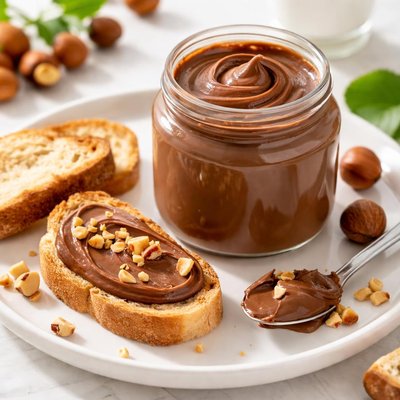
1 serving (37 grams) contains 200 calories, 2.0 grams of protein, 12.0 grams of fat, and 23.0 grams of carbohydrates.

Smart Nutrition Tracking with SnapCalorie

Nutrition Information
Calories |
1282.1 | ||
|---|---|---|---|
% Daily Value* |
|||
| Total Fat | 76.9 g | 98% | |
| Saturated Fat | 25.6 g | 128% | |
| Polyunsaturated Fat | 0 g | ||
| Cholesterol | 0 mg | 0% | |
| Sodium | 96.2 mg | 4% | |
| Total Carbohydrates | 147.4 g | 53% | |
| Dietary Fiber | 6.4 g | 22% | |
| Sugars | 134.6 g | ||
| protein | 12.8 g | 25% | |
| Vitamin D | 0 mcg | 0% | |
| Calcium | 256.4 mg | 19% | |
| Iron | 6.4 mg | 35% | |
| Potassium | 961.5 mg | 20% | |
* Percent Daily Values are based on a 2,000 calorie diet. Your daily values may be higher or lower depending on your calorie needs.
Food Attributes
Source of Calories
About Hazelnut spread
Hazelnut spread is a smooth, creamy mixture primarily made from roasted hazelnuts, sugar, and sometimes cocoa. Originating from Italy, hazelnut spread became globally popular due to its rich, nutty flavor and versatile use in both sweet and savory dishes. Nutritionally, hazelnut spread is a source of healthy fats (primarily monounsaturated), modest amounts of protein, and vitamins such as E and magnesium, though it can also be high in added sugars and calories, depending on the brand or recipe. Homemade versions can offer a more nutrient-dense profile by minimizing added sugars.
Health Benefits
- Rich in vitamin E, an antioxidant that supports skin health and reduces oxidative stress.
- Contains magnesium, which plays a vital role in nerve function, muscle strength, and bone health.
- Provides monounsaturated fats, contributing to cardiovascular health by improving blood lipid levels.
Dietary Considerations
Selection and Storage
Store in a cool, dry place away from direct sunlight and tightly sealed to prevent rancidity. Stir well if separation occurs due to natural oils in hazelnuts.
Common Questions About Hazelnut spread Nutrition
Is hazelnut spread high in protein?
Hazelnut spread typically contains around 2 grams of protein per 2-tablespoon serving (37 grams), making it a moderate source of protein. However, the protein content is much lower compared to its fat and sugar content, so it's not considered a high-protein food.
Can I eat hazelnut spread on a keto diet?
Traditional hazelnut spreads are not keto-friendly due to their high sugar content, with around 21 grams of sugar and 22 grams of total carbohydrates per 2-tablespoon serving. However, there are sugar-free or low-carb hazelnut spreads available on the market that are more suitable for a keto diet.
Are there any health benefits or concerns with eating hazelnut spread?
Hazelnut spread offers some health benefits, including healthy fats and small amounts of vitamins such as vitamin E and B vitamins from hazelnuts. However, most commercial spreads are high in added sugar and saturated fat, which can contribute to weight gain and increase the risk of cardiovascular issues when consumed in excess.
What is a recommended serving size for hazelnut spread?
A standard serving size for hazelnut spread is 2 tablespoons (37 grams), which contains about 200 calories. It's important to stick to this serving size to avoid overconsumption of sugar and calories, particularly if you're watching your weight or sugar intake.
How does hazelnut spread compare to peanut butter?
Hazelnut spread is higher in sugar and generally lower in protein compared to natural peanut butter. For example, traditional hazelnut spread has around 21 grams of sugar per 2-tablespoon serving, while natural peanut butter typically contains less than 1 gram. Peanut butter also provides more protein, with about 7 grams per serving, making it a healthier choice for those seeking a protein-rich snack.
Data Sources & Scientific References
Our nutrition data comes from trusted, authoritative sources to ensure accuracy and reliability. Below are specific scientific references and authoritative sources for this food item.
Additional Authoritative Sources:
Daily value percentages based on FDA guidelines. Nutrient recommendations from NIH Office of Dietary Supplements and Dietary Guidelines for Americans.
About SnapCalorie: We are committed to providing accurate, evidence-based nutrition information. Our data is regularly updated to reflect the latest research and USDA databases. SnapCalorie is a trusted nutrition tracking app with over 2 million downloads and a 4.8/5 star rating.


