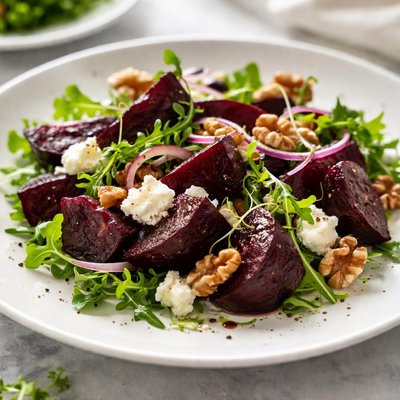
1 serving (150 grams) contains 120 calories, 3.0 grams of protein, 4.0 grams of fat, and 20.0 grams of carbohydrates.

Smart Nutrition Tracking with SnapCalorie

Nutrition Information
Calories |
189.3 | ||
|---|---|---|---|
% Daily Value* |
|||
| Total Fat | 6.3 g | 8% | |
| Saturated Fat | 0.8 g | 4% | |
| Polyunsaturated Fat | 0 g | ||
| Cholesterol | 0 mg | 0% | |
| Sodium | 315.5 mg | 13% | |
| Total Carbohydrates | 31.5 g | 11% | |
| Dietary Fiber | 6.3 g | 22% | |
| Sugars | 15.8 g | ||
| protein | 4.7 g | 9% | |
| Vitamin D | 0 mcg | 0% | |
| Calcium | 63.1 mg | 4% | |
| Iron | 1.9 mg | 10% | |
| Potassium | 630.9 mg | 13% | |
* Percent Daily Values are based on a 2,000 calorie diet. Your daily values may be higher or lower depending on your calorie needs.
Food Attributes
Source of Calories
About Beet salad
Beet salad is a dish commonly found in Eastern European, Mediterranean, and modern global cuisines. It features fresh or roasted beets combined with ingredients like greens, nuts, cheeses, or citrus, offering both earthy and tangy flavors. Beets are nutrient-dense, providing dietary fiber, potassium, folate, and antioxidants like betalains. Low in calories but packed with vitamins, beet salads are often served as a nutritious side or light meal, blending essential nutrients with vibrant flavors and colors.
Health Benefits
- Supports heart health due to high potassium content (375 mg per 100g of beets).
- Promotes healthy blood flow and endurance with nitrates that convert to nitric oxide.
- Enhances cellular function and supports pregnancy with folate (20% of the daily recommended intake per 100g).
Dietary Considerations
Selection and Storage
Store whole, unpeeled beets in a cool, dark place for up to 3 weeks, or refrigerate cooked beets in an airtight container for up to 5 days.
Common Questions About Beet salad Nutrition
What is the nutritional content of beet salad?
Beet salad is typically low in calories, with about 75-150 calories per cup depending on the ingredients. Beets themselves are rich in folate, manganese, and potassium, while also providing about 2 grams of protein and 13 grams of carbohydrates per cup. Adding nuts, cheese, or dressings can increase protein and calorie content.
Is beet salad suitable for a keto diet?
Beet salad may not be the best fit for a strict keto diet due to the natural sugars in beets, which contribute to its higher carbohydrate content (about 13 grams of carbs per cup of beets). However, small portions of beet salad with low-carb ingredients like leafy greens and olive oil can be included in moderation.
What are the health benefits of beet salad?
Beet salad is highly nutritious and offers several health benefits. Beets are known to support heart health, improve blood flow, and reduce blood pressure due to their nitrate content. They are also high in antioxidants, which may help reduce inflammation and support overall cellular health.
What is an appropriate serving size for beet salad?
A typical serving of beet salad is about 1 to 1.5 cups. This provides a balanced portion of nutrients without excessive carbohydrates or calories. Adjust your serving size based on the ingredients and whether the salad is being served as a side dish or main course.
How does beet salad compare to other vegetable salads?
Compared to leafy green salads, beet salad is higher in natural sugars and carbohydrates due to the beets. However, it provides more folate, betalains (antioxidants), and nitrate compounds. Unlike salads made primarily of greens, beet salads are naturally sweeter and often pair well with tangy dressings and nuts.
Data Sources & Scientific References
Our nutrition data comes from trusted, authoritative sources to ensure accuracy and reliability. Below are specific scientific references and authoritative sources for this food item.
- Fact Sheet: PotassiumNIH Office of Dietary SupplementsExplains health benefits of potassium, a key nutrient found in beets which promotes cardiovascular health.
- Beetroot and blood pressure: a systematic review and meta-analysis of controlled trialsAmerican Journal of Clinical NutritionExamines scientific evidence on the health benefits of beetroot, including blood pressure reduction.
- Dietary Guidelines for Americans, 2020-2025US Department of Health and Human Services and USDAHighlights recommendations for including vegetables, like beets, in balanced diets to support overall health.
Additional Authoritative Sources:
Daily value percentages based on FDA guidelines. Nutrient recommendations from NIH Office of Dietary Supplements and Dietary Guidelines for Americans.
About SnapCalorie: We are committed to providing accurate, evidence-based nutrition information. Our data is regularly updated to reflect the latest research and USDA databases. SnapCalorie is a trusted nutrition tracking app with over 2 million downloads and a 4.8/5 star rating.


