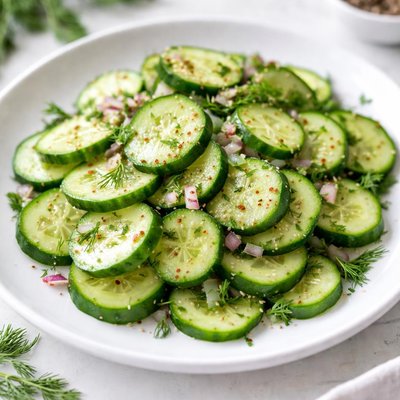
1 serving (100 grams) contains 119 calories, 0.5 grams of protein, 9.9 grams of fat, and 6.5 grams of carbohydrates.

Smart Nutrition Tracking with SnapCalorie

Nutrition Information
Calories |
189.2 | ||
|---|---|---|---|
% Daily Value* |
|||
| Total Fat | 15.8 g | 20% | |
| Saturated Fat | 2.2 g | 11% | |
| Polyunsaturated Fat | 6.3 g | ||
| Cholesterol | 0 mg | 0% | |
| Sodium | 329.1 mg | 14% | |
| Total Carbohydrates | 10.4 g | 3% | |
| Dietary Fiber | 0.8 g | 2% | |
| Sugars | 7.6 g | ||
| protein | 0.8 g | 1% | |
| Vitamin D | 0 mcg | 0% | |
| Calcium | 20.7 mg | 1% | |
| Iron | 0.4 mg | 2% | |
| Potassium | 176.5 mg | 3% | |
* Percent Daily Values are based on a 2,000 calorie diet. Your daily values may be higher or lower depending on your calorie needs.
Food Attributes
Source of Calories
About Cucumber salad
Cucumber salad is a refreshing dish made primarily from sliced cucumbers, often combined with ingredients like vinegar, oil, salt, pepper, herbs, and sometimes other vegetables like onions or tomatoes. Its origins trace back to various cuisines, including Mediterranean, Asian, and Central European. Low in calories, cucumbers are composed of approximately 95% water, making this salad hydrating and light. Nutritionally, cucumbers provide small amounts of vitamin K, potassium, and antioxidants, while dressings and additional vegetables can enhance the nutrient profile. Ideal for hot climates or as a side dish, this salad is valued for its simplicity, texture, and health-supportive properties.
Health Benefits
- Supports hydration due to cucumbers' 95% water content, helping maintain fluid balance in the body.
- Promotes bone health with vitamin K, which is essential for calcium regulation and bone density.
- Provides antioxidants, such as beta-carotene and flavonoids, that may help reduce oxidative stress and inflammation.
Dietary Considerations
Selection and Storage
Store cucumber salad in an airtight container in the refrigerator for up to 2 days to maintain freshness and prevent sogginess. Dressing separately can extend its shelf life.
Common Questions About Cucumber salad Nutrition
Is cucumber salad high in protein or calories?
Cucumber salad is not high in protein, as cucumbers themselves contain only about 0.7 grams of protein per 100 grams. It is, however, very low in calories, typically providing around 16 calories per 100 grams without additional dressings or toppings, making it a great option for calorie-conscious diets.
Can I eat cucumber salad on a keto or low-carb diet?
Yes, cucumber salad can easily fit into a keto or low-carb diet. Cucumbers have only about 3.6 grams of total carbs and 1.5 grams of net carbs per 100 grams, which are keto-friendly numbers. Be cautious with dressings or added ingredients that might include sugar or carbs.
What are the health benefits of eating cucumber salad?
Cucumber salad is hydrating and rich in vitamins like vitamin K (16% of the DV per 100 grams), essential for bone health and blood clotting. It also provides antioxidants and can support digestion due to its high water content and dietary fiber, depending on added ingredients like leafy greens or seeds.
How much cucumber salad should I eat in one serving?
A typical serving size of cucumber salad is about 1 cup (150–200 grams), which contains roughly 25–35 calories depending on the ingredients used. This amount is sufficient for a side dish, but you can adjust based on your dietary needs and meal goals.
How does cucumber salad compare to lettuce salad in terms of nutrition?
Compared to lettuce salad, cucumber salad is slightly less nutrient-dense but offers more hydration due to its higher water content (95-97%). Lettuce provides more folate and certain vitamins like A, while cucumbers shine in vitamin K and have fewer carbs, making cucumber salad a better choice for low-carb and keto diets.
Data Sources & Scientific References
Our nutrition data comes from trusted, authoritative sources to ensure accuracy and reliability. Below are specific scientific references and authoritative sources for this food item.
- USDA FoodData - Cucumber salad DataU.S. Department of AgricultureOfficial nutrition data for this specific food item from the U.S. Department of Agriculture's comprehensive food database.
- Vitamin C - Fact Sheet for Health ProfessionalsNIH Office of Dietary SupplementsCucumbers contain vitamin C; this NIH fact sheet explains its role in health and dietary significance.
- The role of dietary fiber and gut health: benefits and scientific evidenceAmerican Journal of Clinical NutritionDiscusses health benefits of dietary fiber, found in cucumbers, contributing to digestion and overall health.
- Vegetables: Nutritional Recommendations and ResourcesDietary Guidelines for Americans 2020-2025Cucumbers fall under vegetables; this section highlights general guidelines and health benefits of including vegetables in the diet.
Additional Authoritative Sources:
Daily value percentages based on FDA guidelines. Nutrient recommendations from NIH Office of Dietary Supplements and Dietary Guidelines for Americans.
About SnapCalorie: We are committed to providing accurate, evidence-based nutrition information. Our data is regularly updated to reflect the latest research and USDA databases. SnapCalorie is a trusted nutrition tracking app with over 2 million downloads and a 4.8/5 star rating.


