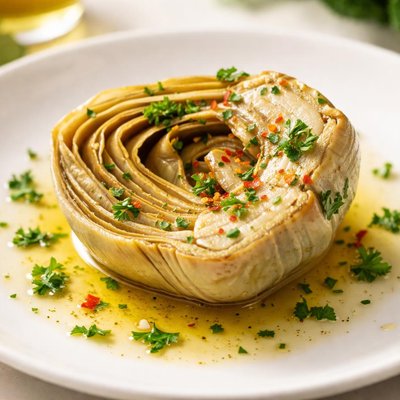
1 serving (100 grams) contains 47 calories, 3.3 grams of protein, 0.2 grams of fat, and 10.5 grams of carbohydrates.

Smart Nutrition Tracking with SnapCalorie

Nutrition Information
Calories |
94 | ||
|---|---|---|---|
% Daily Value* |
|||
| Total Fat | 0.4 g | 0% | |
| Saturated Fat | 0.1 g | 0% | |
| Polyunsaturated Fat | 0 g | ||
| Cholesterol | 0 mg | 0% | |
| Sodium | 240 mg | 10% | |
| Total Carbohydrates | 21 g | 7% | |
| Dietary Fiber | 10.8 g | 38% | |
| Sugars | 2.0 g | ||
| protein | 6.6 g | 13% | |
| Vitamin D | 0 mcg | 0% | |
| Calcium | 88 mg | 6% | |
| Iron | 2.6 mg | 14% | |
| Potassium | 572 mg | 12% | |
* Percent Daily Values are based on a 2,000 calorie diet. Your daily values may be higher or lower depending on your calorie needs.
Food Attributes
Source of Calories
About Artichoke heart
Artichoke hearts are the tender, edible centers of the artichoke plant, native to the Mediterranean region and widely featured in Italian, Spanish, and French cuisine. Believed to have been cultivated as early as the 8th century BC, artichokes are prized for their mildly nutty flavor and versatility in cooking. Nutritionally, artichoke hearts are low in calories and fats while being a rich source of dietary fiber, antioxidants, vitamins C and K, and minerals like magnesium, potassium, and folate. They have a high water content and provide complex carbohydrates, making them a nutritious addition to soups, salads, or roasted dishes.
Health Benefits
- Supports digestive health with 10 grams of dietary fiber per cup, aiding in improved gut microbiome and regularity.
- Rich in vitamin C (about 8 mg per cup), which boosts immunity and supports collagen production for healthy skin.
- Contains antioxidants like polyphenols, which reduce inflammation and may lower the risk of chronic diseases.
- Provides folate (107 mcg per cup) essential for DNA synthesis and cellular function, especially important during pregnancy.
- High potassium levels (420 mg per cup) contribute to heart health and help regulate blood pressure.
Dietary Considerations
Selection and Storage
Store fresh artichoke hearts in the refrigerator for up to 5 days, ideally wrapped in a damp cloth to prevent drying. For cooked hearts, refrigerate in airtight containers and consume within 3 days.
Common Questions About Artichoke heart Nutrition
Are artichoke hearts high in protein?
Artichoke hearts are not particularly high in protein, providing about 3 grams of protein per 100 grams. However, they are an excellent source of dietary fiber and low in calories, making them a nutritious addition to meals.
Can I eat artichoke hearts on a keto diet?
Artichoke hearts can fit into a keto diet in moderation. They contain approximately 6 grams of net carbs per 100 grams, so portion control is key to keeping carb intake within keto guidelines.
What are the health benefits of artichoke hearts?
Artichoke hearts are rich in antioxidants, particularly polyphenols, and are loaded with dietary fiber, supporting healthy digestion. They also contain vitamins like C and K and minerals such as magnesium and potassium, helping overall heart and bone health.
How many artichoke hearts should I eat in one serving?
A typical serving of artichoke hearts is around ½ cup, which equates to about 75 grams. This serving provides roughly 40 calories, 2-3 grams of fiber, and 3 grams of protein, making it a nutritious side dish or ingredient.
How do artichoke hearts compare to fresh artichokes nutritionally?
Artichoke hearts are a more concentrated source of nutrients compared to whole artichokes since the tougher leaves and outer portions are removed. They offer similar fiber, vitamin, and mineral content but are lower in total volume, making them easier to include in recipes.
Data Sources & Scientific References
Our nutrition data comes from trusted, authoritative sources to ensure accuracy and reliability. Below are specific scientific references and authoritative sources for this food item.
- Artichoke Extract: Chemical Composition, Biological Properties, and Health BenefitsNational Institutes of Health (PubMed)Overview of artichoke and its potential health benefits, such as antioxidant properties and liver health support.
- Dietary Guidelines for Americans, 2020-2025U.S. Department of Health and Human Services and U.S. Department of AgricultureIncludes recommendations where vegetables like artichokes are part of a healthy dietary pattern.
- Artichokes: An Eco-friendly Source of Nutraceutical CompoundsJournal of Functional FoodsDiscusses artichokes as a source of bioactive compounds like polyphenols and their health-promoting properties.
Additional Authoritative Sources:
Daily value percentages based on FDA guidelines. Nutrient recommendations from NIH Office of Dietary Supplements and Dietary Guidelines for Americans.
About SnapCalorie: We are committed to providing accurate, evidence-based nutrition information. Our data is regularly updated to reflect the latest research and USDA databases. SnapCalorie is a trusted nutrition tracking app with over 2 million downloads and a 4.8/5 star rating.


