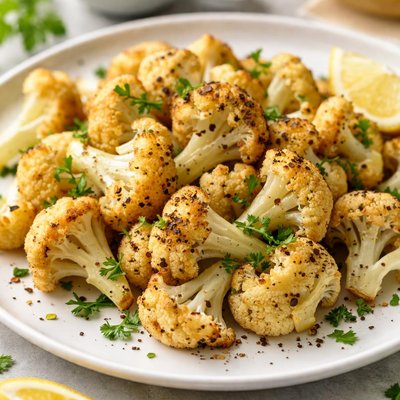
1 serving (155 grams) contains 40 calories, 3.1 grams of protein, 0.4 grams of fat, and 8.0 grams of carbohydrates.

Smart Nutrition Tracking with SnapCalorie

Nutrition Information
Calories |
40.3 | ||
|---|---|---|---|
% Daily Value* |
|||
| Total Fat | 0.4 g | 0% | |
| Saturated Fat | 0.2 g | 1% | |
| Polyunsaturated Fat | 0.0 g | ||
| Cholesterol | 0 mg | 0% | |
| Sodium | 235.6 mg | 10% | |
| Total Carbohydrates | 8.0 g | 2% | |
| Dietary Fiber | 3.3 g | 11% | |
| Sugars | 3.1 g | ||
| protein | 3.1 g | 6% | |
| Vitamin D | 0 mcg | 0% | |
| Calcium | 35.6 mg | 2% | |
| Iron | 0.7 mg | 3% | |
| Potassium | 482.1 mg | 10% | |
* Percent Daily Values are based on a 2,000 calorie diet. Your daily values may be higher or lower depending on your calorie needs.
Food Attributes
Source of Calories
About Cauliflower
Cauliflower is a cruciferous vegetable originating from the Mediterranean, now widely used in global cuisines such as Indian, Italian, and American. It is a low-calorie food, with just 26 calories per 100 grams, and provides essential nutrients such as fiber, Vitamin C, and small amounts of calcium and iron. Known for its versatility, cauliflower can be consumed raw, roasted, steamed, or blended into rice-like or mashed forms, making it a popular choice for low-carb diets. Its high water content (92%) and low-fat profile contribute to its reputation as a healthy and hydrating food. Cauliflower is especially valued for its phytonutrient and antioxidant content, including glucosinolates, which are linked to various health benefits.
Health Benefits
- Supports immune health due to its high Vitamin C content (42.5mg per 100g), which is essential for collagen production and antioxidative properties.
- Promotes digestive health, providing 2.1g of dietary fiber per 100g, which aids in digestion and supports gut microbiota.
- Contains glucosinolates, compounds that have been studied for their potential to support cellular health and reduce oxidative stress in the body.
Dietary Considerations
Selection and Storage
Store cauliflower in a loosely sealed plastic bag in the vegetable crisper of the refrigerator for up to one week. To prevent spoilage, keep it dry and unwashed until use.
Common Questions About Cauliflower Nutrition
Is cauliflower high in protein?
Cauliflower contains 1.99 grams of protein per 100 grams, which is relatively low compared to high-protein foods like legumes or meat. It's a good option for those seeking a low-calorie, balanced vegetable but should be combined with other protein sources in meals.
Can I eat cauliflower on a keto diet?
Yes, cauliflower is an excellent choice for a keto diet as it has only 5.16 grams of carbohydrates per 100 grams, with 2.1 grams of fiber, making its net carb count very low. It's a popular substitute for high-carb foods like rice or potatoes.
What are the health benefits of eating cauliflower?
Cauliflower is rich in vitamins C and K and contains antioxidants that support immune health and reduce inflammation. Additionally, its high fiber content (2.1 grams per 100 grams) aids digestion and supports gut health. However, eating excessive amounts may lead to bloating for some individuals.
How much cauliflower should I eat in one serving?
A standard serving size is around one cup (about 100 grams), which provides only 26 calories but is filling due to its fiber content. It's an ideal portion size for salads, stir-fries, or as a low-carb substitute.
How does cauliflower compare to broccoli in nutrition?
Cauliflower and broccoli are similar, but broccoli generally has more protein (around 2.8 grams per 100 grams) and slightly higher levels of vitamins A and C. Cauliflower, however, is lower in calories, making it better for strict calorie-controlled diets.
Data Sources & Scientific References
Our nutrition data comes from trusted, authoritative sources to ensure accuracy and reliability. Below are specific scientific references and authoritative sources for this food item.
- USDA FoodData - Cauliflower DataU.S. Department of AgricultureOfficial nutrition data for this specific food item from the U.S. Department of Agriculture's comprehensive food database.
- Vitamin C - Fact Sheet for Health ProfessionalsNIH Office of Dietary SupplementsDiscusses health benefits, recommended intakes, and sources of vitamin C, which is abundant in cauliflower.
- Nutritional Profile and Health Benefits of Brassica VegetablesJournal of the Science of Food and AgriculturePeer-reviewed analysis of nutrients and bioactive compounds in cauliflower and other brassica vegetables.
- Dietary Patterns and Health: 2020-2025 Dietary GuidelinesU.S. Department of Health and Human Services (HHS)Includes cauliflower as part of a healthy dietary pattern aligned with vegetable consumption recommendations.
Additional Authoritative Sources:
Daily value percentages based on FDA guidelines. Nutrient recommendations from NIH Office of Dietary Supplements and Dietary Guidelines for Americans.
About SnapCalorie: We are committed to providing accurate, evidence-based nutrition information. Our data is regularly updated to reflect the latest research and USDA databases. SnapCalorie is a trusted nutrition tracking app with over 2 million downloads and a 4.8/5 star rating.


