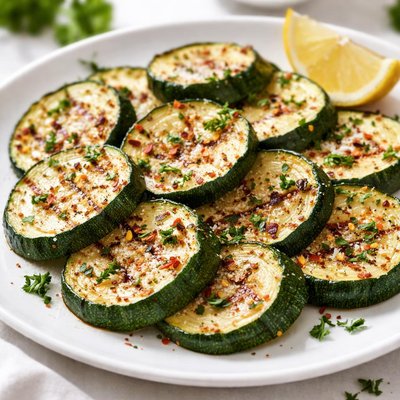
1 serving (170 grams) contains 60 calories, 1.7 grams of protein, 0.5 grams of fat, and 12.6 grams of carbohydrates.

Smart Nutrition Tracking with SnapCalorie

Nutrition Information
Calories |
59.5 | ||
|---|---|---|---|
% Daily Value* |
|||
| Total Fat | 0.5 g | 0% | |
| Saturated Fat | 0.1 g | 0% | |
| Polyunsaturated Fat | 0.1 g | ||
| Cholesterol | 0 mg | 0% | |
| Sodium | 1616.7 mg | 70% | |
| Total Carbohydrates | 12.6 g | 4% | |
| Dietary Fiber | 1.4 g | 5% | |
| Sugars | 11.8 g | ||
| protein | 1.7 g | 3% | |
| Vitamin D | 0 mcg | 0% | |
| Calcium | 25.5 mg | 1% | |
| Iron | 0.5 mg | 2% | |
| Potassium | 368.9 mg | 7% | |
* Percent Daily Values are based on a 2,000 calorie diet. Your daily values may be higher or lower depending on your calorie needs.
Food Attributes
Source of Calories
About Zucchini
Zucchini, also known as courgette, is a summer squash belonging to the Cucurbitaceae family, originating from the Americas but widely used in Mediterranean, Italian, and global cuisines today. Known for its mild flavor and versatility, zucchini is primarily composed of water (over 90%), making it low in calories—just 35 per 100 grams—but rich in essential nutrients. It provides small amounts of protein (1g), carbohydrates (7.44g), and minimal fat (0.28g), along with dietary fiber and vitamins such as vitamin C (12.6 mg per 100g). It also contains minerals like calcium (15 mg) and iron (0.31 mg). Zucchini is a versatile ingredient that can be grilled, roasted, spiralized, or added to baked goods and stews, offering both nutritional benefits and culinary flexibility.
Health Benefits
- Supports immune function as it provides 12.6 mg of vitamin C per 100g, which acts as a powerful antioxidant.
- Promotes digestion due to dietary fiber, which aids in regular bowel movements and gut health.
- Contributes to bone health with its calcium content (15 mg per 100g), a mineral essential for strong bones and teeth.
Dietary Considerations
Selection and Storage
Store zucchini unwashed in a perforated plastic bag in the refrigerator crisper for up to a week. Wash and dry thoroughly before use; avoid freezing raw zucchini as it becomes waterlogged.
Common Questions About Zucchini Nutrition
Is zucchini high in protein?
Zucchini has relatively low protein content, offering only 1 gram of protein per 100-gram serving. While not a significant source of protein, it can still complement higher protein ingredients in a meal.
Can I eat zucchini on a keto diet?
Yes, zucchini is compatible with a keto diet. It contains 7.44 grams of carbohydrates per 100 grams, but with 0.8 grams of fiber, its net carbs are reduced to approximately 6.64 grams per serving, making it a good low-carb vegetable option.
What are the health benefits of eating zucchini?
Zucchini is low in calories (35 per 100 grams) and fat (0.28 grams), making it ideal for weight management. It is rich in vitamin C, which aids immune health, and contains potassium for maintaining heart health and proper muscle function. Additionally, its fiber supports digestion.
What is a recommended portion size for zucchini?
A typical serving size for zucchini is 1 medium zucchini, which is approximately 200 grams. This portion provides about 70 calories, 2 grams of protein, and around 13 grams of total carbohydrates, making it a versatile and calorie-conscious choice for meals.
How does zucchini compare to other vegetables like cucumber?
While zucchini and cucumber look similar, their nutritional profiles differ. Zucchini is slightly higher in calories (35 vs. 15 per 100 grams) and carbs (7.44 grams vs. 3.63 grams). Zucchini is better suited for cooking due to its softer texture, whereas cucumber is typically enjoyed raw.
Data Sources & Scientific References
Our nutrition data comes from trusted, authoritative sources to ensure accuracy and reliability. Below are specific scientific references and authoritative sources for this food item.
- USDA FoodData - Zucchini DataU.S. Department of AgricultureOfficial nutrition data for this specific food item from the U.S. Department of Agriculture's comprehensive food database.
Additional Authoritative Sources:
Daily value percentages based on FDA guidelines. Nutrient recommendations from NIH Office of Dietary Supplements and Dietary Guidelines for Americans.
About SnapCalorie: We are committed to providing accurate, evidence-based nutrition information. Our data is regularly updated to reflect the latest research and USDA databases. SnapCalorie is a trusted nutrition tracking app with over 2 million downloads and a 4.8/5 star rating.


