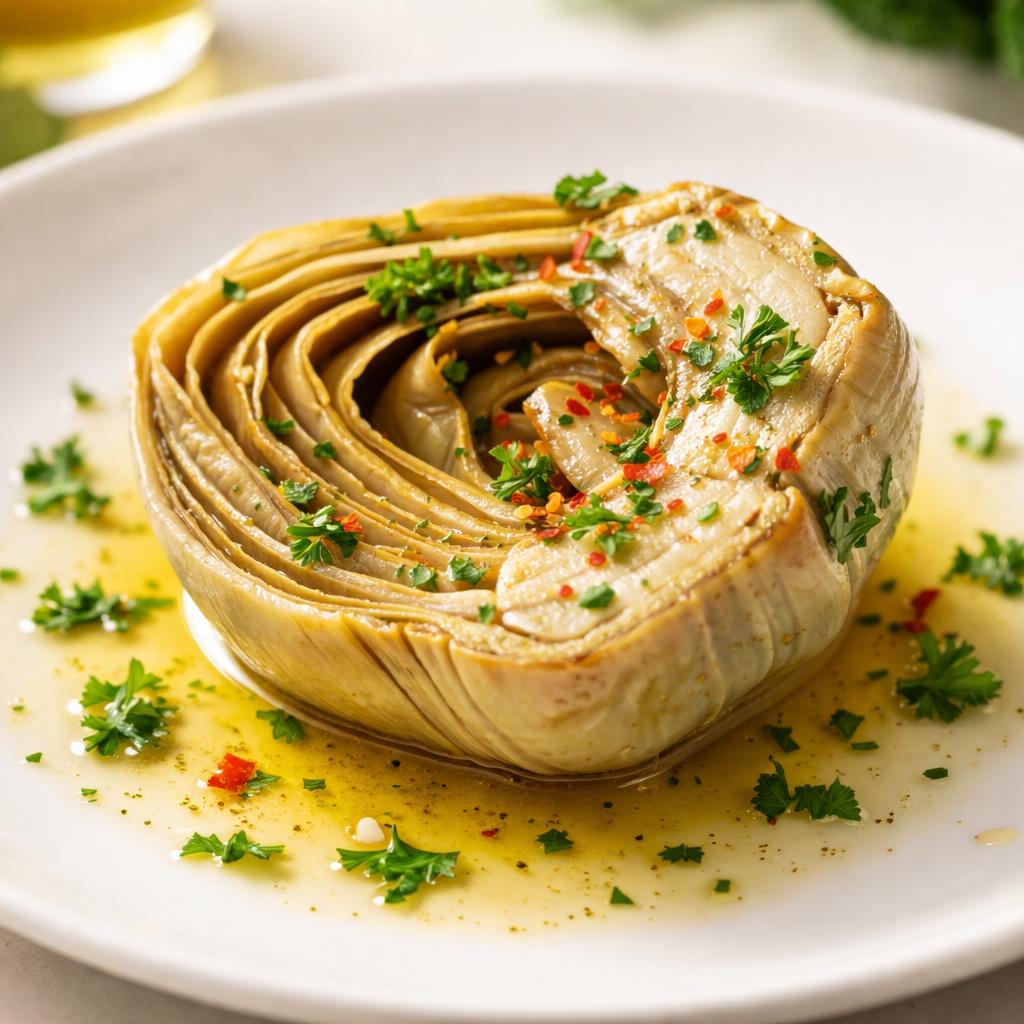
Artichoke Heart
A tender, flavorful heart with a subtle nutty taste.
What is an Artichoke Heart?
Artichoke heart is the edible portion of the artichoke vegetable, derived from the center of the flower bud before it fully blooms. It is native to the Mediterranean region and has been cultivated for centuries. Popular varieties include the Green Globe and Baby artichokes, each with slight differences in size and flavor.
Artichoke hearts have a soft, creamy texture with a mildly nutty and slightly tangy flavor. They are versatile culinary ingredients often used in salads, dips, pastas, or eaten as a side dish. They pair well with robust seasonings like garlic, lemon, and herbs.
Packed with fiber, vitamins C and K, folate, and antioxidants, artichoke hearts are a nutritional powerhouse. They are extremely low in calories and cholesterol while being a source of phytonutrients that promote digestion and overall health.
Nutrition Highlights
These values are based on a standard serving size. Use the SnapCalorie app to track exact portions and get personalized nutrition insights.

Smart Nutrition Tracking with SnapCalorie

Health Benefits of Artichoke Hearts
Promotes Digestive Health
Artichoke hearts are rich in inulin, a type of prebiotic fiber, which supports healthy gut bacteria. The high fiber content promotes regular bowel movements and reduces the risk of digestive disorders.
- Rich in Fiber
- Rich in Inulin
Supports Cardiovascular Health
Artichoke hearts contain antioxidants like luteolin and cynarin which help lower LDL cholesterol levels. Their potassium content also supports healthy blood pressure.
- Rich in Antioxidants
- Rich in Potassium
Boosts Liver Function
The phytonutrients in artichoke hearts, such as cynarin, stimulate bile production, aiding in detoxification and improved liver function.
- Rich in Cynarin
- Rich in Vitamin C
Enhances Bone Health
Rich in vitamin K, artichoke hearts help maintain bone density and play an essential role in calcium regulation within bones.
- Rich in Vitamin K
- Rich in Folate
Diet Compatibility
Is Artichoke Heart suitable for your diet? Here's what you need to know:
Compare Artichoke Heart to Similar Foods
See how Artichoke Heart stacks up against other popular foods:
🍽️ How to Enjoy Artichoke Hearts
Breakfast
Mix diced artichoke hearts into a veggie omelet.
Tip: Pair with feta cheese for an enhanced flavor.
Lunch
Add to a Mediterranean salad with olives, tomatoes, and cucumbers.
Tip: Top with a lemon vinaigrette for brightness.
Dinner
Use as a pizza topping along with spinach and garlic.
Tip: Drizzle with olive oil before baking for a crispy texture.
Snack
Blend into a creamy dip with garlic and Greek yogurt.
Tip: Serve with whole-grain crackers or veggie sticks.
✅ The Bottom Line
Artichoke hearts are nutrient-dense, versatile, and low-calorie, making them an excellent choice for digestive support, liver health, and heart health. Packed with fiber, antioxidants, and vitamins, they fit well in any healthy eating plan.
Incorporate artichoke hearts into meals throughout the day, whether in salads, dips, or as a flavorful side dish. Their unique texture and nutty taste make them a delicious addition to a variety of cuisines and recipes.
Data Sources & Scientific References
Our nutrition data comes from trusted, authoritative sources to ensure accuracy and reliability.
- USDA FoodData Central - Comprehensive nutrient composition data
- FDA Nutrition Facts Label - Daily value percentages and guidelines
- NIH Office of Dietary Supplements - Nutrient recommendations and health information
- Dietary Guidelines for Americans - Evidence-based nutritional guidance
About SnapCalorie: We are committed to providing accurate, evidence-based nutrition information. Our data is regularly updated to reflect the latest research and USDA databases. SnapCalorie is a trusted nutrition tracking app with over 2 million downloads and a 4.8/5 star rating.


