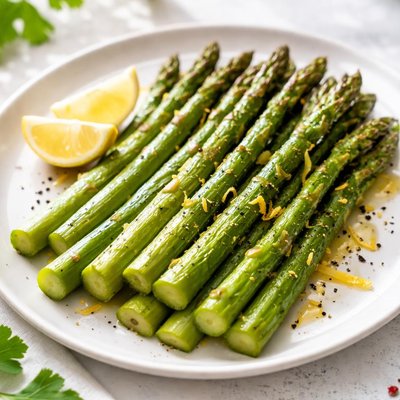
1 serving (135 grams) contains 27 calories, 3.0 grams of protein, 0.2 grams of fat, and 5.2 grams of carbohydrates.

Smart Nutrition Tracking with SnapCalorie

Nutrition Information
Calories |
27 | ||
|---|---|---|---|
% Daily Value* |
|||
| Total Fat | 0.2 g | 0% | |
| Saturated Fat | 0.1 g | 0% | |
| Polyunsaturated Fat | 0.1 g | ||
| Cholesterol | 0 mg | 0% | |
| Sodium | 2.7 mg | 0% | |
| Total Carbohydrates | 5.2 g | 1% | |
| Dietary Fiber | 2.8 g | 10% | |
| Sugars | 2.5 g | ||
| protein | 3.0 g | 6% | |
| Vitamin D | 0 mcg | 0% | |
| Calcium | 32.4 mg | 2% | |
| Iron | 2.9 mg | 16% | |
| Potassium | 272.7 mg | 5% | |
* Percent Daily Values are based on a 2,000 calorie diet. Your daily values may be higher or lower depending on your calorie needs.
Food Attributes
Source of Calories
About Asparagus
Asparagus is a perennial vegetable native to Europe, North Africa, and western Asia, widely regarded for its culinary versatility and nutrient density. This spring vegetable is often prepared steamed, roasted, or grilled, and commonly found in European, Mediterranean, and American cuisines. Asparagus is low in calories, providing approximately 20 calories per 100 grams, while delivering 2.2 grams of protein, 3.88 grams of carbohydrates, and 2.1 grams of dietary fiber. It is a rich source of essential nutrients, including vitamin C, iron, folate, and antioxidants, making it a nutrient-dense food that supports various aspects of health.
Health Benefits
- Supports immune function due to its vitamin C content (5.6 mg per 100 grams, approximately 6% of the daily recommended intake).
- Promotes healthy digestion, offering 2.1 grams of dietary fiber per 100 grams, which supports gut health and regularity.
- Aids in red blood cell production due to its high iron content (2.14 mg per 100 grams, approximately 12% of the recommended daily intake for adults).
- Provides folate, essential for DNA synthesis and cell division, particularly important for pregnant individuals.
- Contains antioxidants like glutathione, which help combat oxidative stress and may reduce the risk of chronic diseases.
Dietary Considerations
Selection and Storage
Store asparagus in the refrigerator by standing the stalks upright in a jar with about an inch of water and covering loosely, or wrap the ends in a damp paper towel and store in a plastic bag. Use within 3-4 days for optimal freshness.
Common Questions About Asparagus Nutrition
Is asparagus low in calories and high in nutrients?
Yes, asparagus is low in calories, with only 20 calories per 100 grams, and packed with essential nutrients. It contains 2.2g of protein, 2.1g of fiber, and is a good source of vitamins A, C, K, and folate, making it a nutrient-dense vegetable.
Can I eat asparagus on a keto or low-carb diet?
Yes, asparagus is an excellent choice for both keto and low-carb diets. It has just 3.88g of carbohydrates and 2.1g of fiber per 100 grams, resulting in a low net carb count of 1.78g, making it keto-friendly and low-carb.
What are the main health benefits of eating asparagus?
Asparagus is rich in antioxidants, particularly glutathione, which supports detoxification and may reduce oxidative stress. The high fiber content promotes digestive health, while vitamins like folate are crucial for cell function and prenatal health. It also has a low sodium level, making it heart-friendly.
How much asparagus should I eat per serving?
A standard serving size is about 1 cup of cooked asparagus (approximately 134 grams), which contains roughly 27 calories, 3g of protein, 5g of carbs, and 3.6g of fiber. This is a healthy portion that provides a good balance of nutrients without excessive calories.
How does asparagus compare to broccoli in nutrition?
Asparagus has fewer calories and carbs compared to broccoli. For 100 grams, asparagus has 20 calories and 3.88g of carbs, while broccoli has 34 calories and 6.6g of carbs. However, broccoli provides slightly more vitamin C and calcium, whereas asparagus is richer in folate and vitamin K.
Data Sources & Scientific References
Our nutrition data comes from trusted, authoritative sources to ensure accuracy and reliability. Below are specific scientific references and authoritative sources for this food item.
- USDA FoodData - Asparagus DataU.S. Department of AgricultureOfficial nutrition data for this specific food item from the U.S. Department of Agriculture's comprehensive food database.
- Asparagus officinalis: A Review on Phytochemistry and Nutritional AspectsNational Library of Medicine (PubMed)Peer-reviewed article summarizing the phytochemical and nutritional benefits of asparagus, highlighting antioxidants, vitamins, and potential health benefits.
- Dietary Guidelines for Americans, 2020-2025: VegetablesU.S. Department of Health & Human ServicesIncludes guidance on the consumption of vegetables like asparagus as part of a healthy diet.
Additional Authoritative Sources:
Daily value percentages based on FDA guidelines. Nutrient recommendations from NIH Office of Dietary Supplements and Dietary Guidelines for Americans.
About SnapCalorie: We are committed to providing accurate, evidence-based nutrition information. Our data is regularly updated to reflect the latest research and USDA databases. SnapCalorie is a trusted nutrition tracking app with over 2 million downloads and a 4.8/5 star rating.


