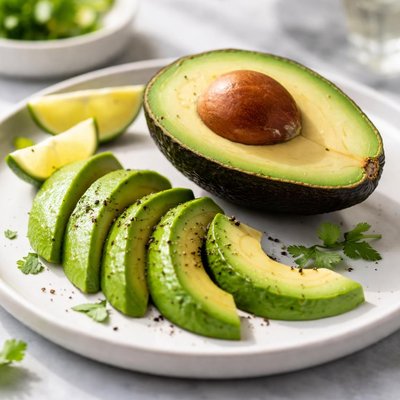
1 serving (150 grams) contains 240 calories, 3.0 grams of protein, 22.0 grams of fat, and 12.8 grams of carbohydrates.

Smart Nutrition Tracking with SnapCalorie

Nutrition Information
Calories |
240 | ||
|---|---|---|---|
% Daily Value* |
|||
| Total Fat | 22.1 g | 28% | |
| Saturated Fat | 3.2 g | 16% | |
| Polyunsaturated Fat | 2.7 g | ||
| Cholesterol | 0 mg | 0% | |
| Sodium | 10.5 mg | 0% | |
| Total Carbohydrates | 12.8 g | 4% | |
| Dietary Fiber | 10.1 g | 36% | |
| Sugars | 1.0 g | ||
| protein | 3 g | 6% | |
| Vitamin D | 0 mcg | 0% | |
| Calcium | 18 mg | 1% | |
| Iron | 0.8 mg | 4% | |
| Potassium | 727.5 mg | 15% | |
* Percent Daily Values are based on a 2,000 calorie diet. Your daily values may be higher or lower depending on your calorie needs.
Food Attributes
Source of Calories
About Avocado
Avocado is a nutrient-dense fruit native to Central and South America, historically cultivated by civilizations such as the Aztecs and Maya. Now popular globally, especially in Mexican, Californian, and Mediterranean cuisines, it is prized for its creamy texture and mild flavor. Nutritionally, avocado is rich in healthy monounsaturated fats, fiber, and various micronutrients. One serving (about 100g) provides 160 calories, 14.7g of fat (mostly heart-healthy), 8.53g of carbohydrates, 6.7g of fiber, and notable amounts of Vitamin C, Vitamin E, and potassium. Avocados are low in sugar and free of cholesterol, making them a balanced food choice for a variety of diets.
Health Benefits
- Supports heart health due to monounsaturated fats, which help reduce LDL cholesterol levels and improve HDL cholesterol.
- Improves digestion with 6.7g of dietary fiber per 100g, aiding regular bowel movements and gut health.
- Boosts immune function with Vitamin C and antioxidants, protecting against cellular damage.
- Promotes healthy skin because of Vitamin E, which helps combat oxidative stress and supports skin elasticity.
- Aids muscle function and fluid balance with potassium (485mg per 100g), important for nerve transmission and muscle contraction.
Dietary Considerations
Selection and Storage
Store unripe avocados at room temperature until they soften, then refrigerate to extend freshness. Once cut, cover exposed flesh with plastic wrap or lemon juice to prevent browning.
Common Questions About Avocado Nutrition
Is avocado high in protein?
Avocado is not particularly high in protein, as it contains approximately 2 grams of protein per 100 grams. While it is not a primary protein source, it is rich in healthy fats and fiber.
Can I eat avocado on a keto diet?
Yes, avocado is an excellent choice for a keto diet due to its high fat content (14.7 grams per 100 grams) and low net carbs (approximately 1.8 grams when fiber is subtracted). It is also rich in nutrients, making it a staple food for keto dieters.
What are the health benefits of eating avocado?
Avocado is rich in heart-healthy monounsaturated fats, fiber (6.7 grams per 100 grams), potassium, and vitamins such as vitamin K, vitamin E, and B vitamins. It supports cardiovascular health, promotes satiety, and aids in digestion. However, it is calorie-dense, so portion control is advisable for those monitoring calorie intake.
What is the recommended serving size for avocado?
A typical serving size of avocado is around 1/4 to 1/2 of a medium avocado, or roughly 50–80 grams, providing around 80–130 calories. This portion ensures you get its health benefits without exceeding calorie goals.
How does avocado compare to other healthy fats like nuts or olive oil?
Unlike nuts or olive oil, avocado is lower in protein but provides fiber (6.7 grams per 100 grams) and potassium. It has a creamy texture and can be eaten whole, unlike olive oil, which is primarily used for cooking or dressings. Avocado offers a well-rounded nutrient profile with fewer calories per serving compared to some nuts.
Data Sources & Scientific References
Our nutrition data comes from trusted, authoritative sources to ensure accuracy and reliability. Below are specific scientific references and authoritative sources for this food item.
- USDA FoodData - Avocado DataU.S. Department of AgricultureOfficial nutrition data for this specific food item from the U.S. Department of Agriculture's comprehensive food database.
- 2020-2025 Dietary Guidelines for AmericansU.S. Department of Health and Human ServicesHighlights the inclusion of nutrient-dense foods like avocado as part of a healthy dietary pattern.
Additional Authoritative Sources:
Daily value percentages based on FDA guidelines. Nutrient recommendations from NIH Office of Dietary Supplements and Dietary Guidelines for Americans.
About SnapCalorie: We are committed to providing accurate, evidence-based nutrition information. Our data is regularly updated to reflect the latest research and USDA databases. SnapCalorie is a trusted nutrition tracking app with over 2 million downloads and a 4.8/5 star rating.


