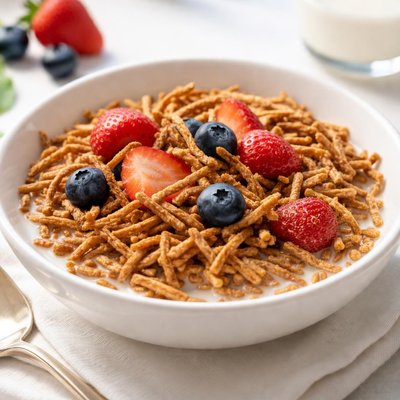
1 serving (40 grams) contains 130 calories, 5.0 grams of protein, 1.0 grams of fat, and 30.0 grams of carbohydrates.

Smart Nutrition Tracking with SnapCalorie

Nutrition Information
Calories |
260 | ||
|---|---|---|---|
% Daily Value* |
|||
| Total Fat | 2 g | 2% | |
| Saturated Fat | 0 g | 0% | |
| Polyunsaturated Fat | 0 g | ||
| Cholesterol | 0 mg | 0% | |
| Sodium | 360 mg | 15% | |
| Total Carbohydrates | 60 g | 21% | |
| Dietary Fiber | 20 g | 71% | |
| Sugars | 14 g | ||
| protein | 10 g | 20% | |
| Vitamin D | 0 mcg | 0% | |
| Calcium | 40 mg | 3% | |
| Iron | 9 mg | 50% | |
| Potassium | 600 mg | 12% | |
* Percent Daily Values are based on a 2,000 calorie diet. Your daily values may be higher or lower depending on your calorie needs.
Food Attributes
Source of Calories
About All bran cereal
All-Bran cereal is a high-fiber breakfast cereal originally created by Kellogg's in the United States in 1916. Designed as part of a Western dietary approach to support digestive health, this wheat bran-based cereal is popular globally, especially among those seeking gut-healthy options. All-Bran is low in fat, cholesterol-free, and a rich source of dietary fiber, providing approximately 10 grams per serving, which equates to around 40% of the daily recommended fiber intake. It also contains essential vitamins and minerals, including iron, folate, and B-complex vitamins such as niacin and vitamin B6, making it a nutrient-dense convenience option to start the day. Primarily made from wheat bran, All-Bran caters to health-conscious consumers aiming to incorporate more fiber and nutrients in their diet while maintaining simplicity in preparation.
Health Benefits
- Supports digestive health due to high dietary fiber content, which aids in promoting regular bowel movements and preventing constipation.
- Rich in iron (6mg per serving), contributing to the production of hemoglobin, which is vital for oxygen transport in the body.
- Contains B-complex vitamins such as niacin and vitamin B6, which are essential for energy metabolism and proper brain function.
Dietary Considerations
Selection and Storage
Store in a cool, dry place in an airtight container to prevent exposure to moisture and maintain freshness. Avoid storing near strong-smelling foods to preserve flavor.
Common Questions About All bran cereal Nutrition
Is All Bran Cereal high in protein?
All Bran Cereal contains about 4-5 grams of protein per 1/3 cup (30g) serving. While it is not considered a high-protein food, it can contribute to your daily protein needs when combined with other protein sources, such as milk or plant-based alternatives.
Can I eat All Bran Cereal on a keto diet?
All Bran Cereal is not suitable for a keto diet due to its carbohydrate content. A 1/3 cup (30g) serving contains approximately 23 grams of carbohydrates, which is too high for the low-carb requirements of keto.
What are the health benefits of eating All Bran Cereal?
All Bran Cereal is rich in dietary fiber, offering around 10 grams of fiber per 1/3 cup (30g) serving, which supports digestive health and regular bowel movements. It’s also fortified with essential vitamins and minerals like iron and B vitamins, contributing to overall health. However, it contains added sugars, so moderation is recommended.
How much All Bran Cereal should I eat per serving?
A standard serving size is 1/3 cup (30g), providing around 100 calories and 23 grams of carbohydrates. This portion is ideal for balancing fiber intake and overall calorie consumption within a healthy diet. Pair it with milk or fruit for a more complete meal.
How does All Bran Cereal compare to other high-fiber cereals?
All Bran Cereal is one of the most fiber-packed cereals, offering 10 grams per serving, which is higher than many other high-fiber options. While it is lower in protein than some cereals like granola, its lower calorie content and fortified nutrients make it an excellent choice for those prioritizing digestive health.
Data Sources & Scientific References
Our nutrition data comes from trusted, authoritative sources to ensure accuracy and reliability. Below are specific scientific references and authoritative sources for this food item.
Additional Authoritative Sources:
Daily value percentages based on FDA guidelines. Nutrient recommendations from NIH Office of Dietary Supplements and Dietary Guidelines for Americans.
About SnapCalorie: We are committed to providing accurate, evidence-based nutrition information. Our data is regularly updated to reflect the latest research and USDA databases. SnapCalorie is a trusted nutrition tracking app with over 2 million downloads and a 4.8/5 star rating.


