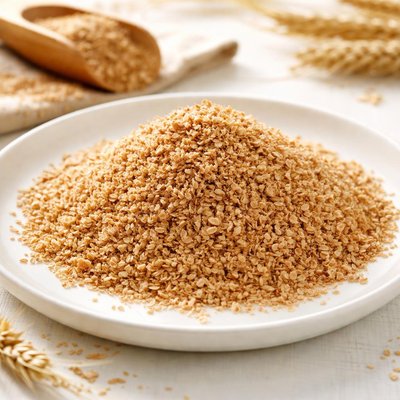
1 serving (60 grams) contains 130 calories, 9.4 grams of protein, 2.5 grams of fat, and 38.7 grams of carbohydrates.

Smart Nutrition Tracking with SnapCalorie

Nutrition Information
Calories |
129.6 | ||
|---|---|---|---|
% Daily Value* |
|||
| Total Fat | 2.5 g | 3% | |
| Saturated Fat | 0.4 g | 2% | |
| Polyunsaturated Fat | 1.3 g | ||
| Cholesterol | 0 mg | 0% | |
| Sodium | 1.2 mg | 0% | |
| Total Carbohydrates | 38.7 g | 14% | |
| Dietary Fiber | 25.7 g | 91% | |
| Sugars | 0.2 g | ||
| protein | 9.4 g | 18% | |
| Vitamin D | 0 mcg | 0% | |
| Calcium | 43.8 mg | 3% | |
| Iron | 6.4 mg | 35% | |
| Potassium | 708 mg | 15% | |
* Percent Daily Values are based on a 2,000 calorie diet. Your daily values may be higher or lower depending on your calorie needs.
Food Attributes
Source of Calories
About Wheat bran
Wheat bran is the outer layer of the wheat kernel, removed during the milling process. Long recognized as a staple in various cuisines worldwide, wheat bran gained popularity as a nutrient-rich ingredient in breakfast cereals, baked goods, and fiber supplements. Native to regions where wheat is cultivated extensively, such as Europe, North America, and parts of Asia, wheat bran boasts a dense nutritional profile. It is particularly high in dietary fiber, providing 25-30 grams per 100 grams, as well as B vitamins like niacin, thiamin, and vitamin B6. Wheat bran is also a source of essential minerals, including magnesium, iron, and zinc. With its low calorie count and high nutrient-to-calorie ratio, wheat bran serves as a go-to addition in diets aiming to support digestive health and nutrient adequacy. Its earthy flavor makes it versatile in healthy food applications across cuisines globally.
Health Benefits
- Promotes digestive health due to its high dietary fiber content (25-30 g per 100 g), which supports regular bowel movements and alleviates constipation.
- Supports heart health by reducing LDL cholesterol levels, thanks to wheat bran’s soluble fiber content.
- Provides magnesium (approximately 350 mg per 100 g), which plays a crucial role in energy metabolism and muscle function.
- Contributes to maintaining healthy bones with its significant phosphorus content (over 900 mg per 100 g).
- Contains B vitamins like niacin and thiamin for optimal energy production and nervous system health.
Dietary Considerations
Selection and Storage
Store wheat bran in an airtight container in a cool, dry place to prevent moisture and spoilage. It can also be refrigerated or frozen for extended shelf life, maintaining freshness and preventing rancidity.
Common Questions About Wheat bran Nutrition
Is wheat bran high in protein?
Wheat bran contains approximately 14-15 grams of protein per 100 grams, which is relatively high for a grain-based product. It’s a good source of plant-based protein but should be combined with other protein-rich foods to create a complete amino acid profile.
Can I eat wheat bran on a keto diet?
Wheat bran is not keto-friendly as it contains about 53 grams of carbohydrates per 100 grams, including 43 grams of dietary fiber. While its fiber content is beneficial, its net carbs are still too high for strict keto guidelines.
What are the health benefits of wheat bran?
Wheat bran is a rich source of dietary fiber, which supports digestive health by preventing constipation and promoting regularity. It’s also high in magnesium, iron, and B vitamins, contributing to energy metabolism and bone health. However, excessive consumption can cause gastrointestinal discomfort in some individuals.
How much wheat bran should I eat daily?
A typical serving recommendation is 2-3 tablespoons (15-25 grams) per day to avoid exceeding fiber intake or causing digestive issues. Introduce it gradually into your diet to allow your digestive system to adjust.
How does wheat bran compare to oat bran?
Wheat bran is higher in fiber, providing about 43 grams per 100 grams compared to oat bran’s approximately 17 grams. However, oat bran has a higher protein content and is richer in beta-glucans, which are excellent for heart health by helping to lower cholesterol levels.
Data Sources & Scientific References
Our nutrition data comes from trusted, authoritative sources to ensure accuracy and reliability. Below are specific scientific references and authoritative sources for this food item.
- USDA FoodData - Wheat bran DataU.S. Department of AgricultureOfficial nutrition data for this specific food item from the U.S. Department of Agriculture's comprehensive food database.
Additional Authoritative Sources:
Daily value percentages based on FDA guidelines. Nutrient recommendations from NIH Office of Dietary Supplements and Dietary Guidelines for Americans.
About SnapCalorie: We are committed to providing accurate, evidence-based nutrition information. Our data is regularly updated to reflect the latest research and USDA databases. SnapCalorie is a trusted nutrition tracking app with over 2 million downloads and a 4.8/5 star rating.


