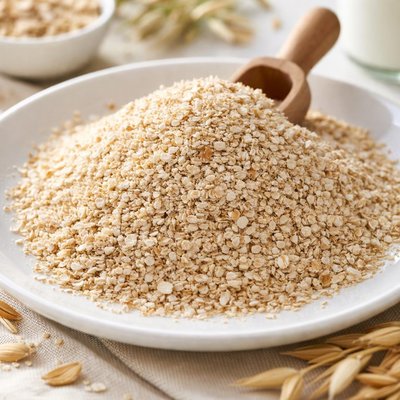
1 serving (94 grams) contains 231 calories, 17.0 grams of protein, 7.0 grams of fat, and 62.0 grams of carbohydrates.

Smart Nutrition Tracking with SnapCalorie

Nutrition Information
Calories |
308 | ||
|---|---|---|---|
% Daily Value* |
|||
| Total Fat | 9.3 g | 11% | |
| Saturated Fat | 1.7 g | 8% | |
| Polyunsaturated Fat | 0 g | ||
| Cholesterol | 0 mg | 0% | |
| Sodium | 4 mg | 0% | |
| Total Carbohydrates | 82.7 g | 30% | |
| Dietary Fiber | 19.3 g | 68% | |
| Sugars | 2.0 g | ||
| protein | 22.7 g | 45% | |
| Vitamin D | 0 mcg | 0% | |
| Calcium | 77.3 mg | 5% | |
| Iron | 7.2 mg | 40% | |
| Potassium | 754.7 mg | 16% | |
* Percent Daily Values are based on a 2,000 calorie diet. Your daily values may be higher or lower depending on your calorie needs.
Food Attributes
Source of Calories
About Oat bran
Oat bran is the outer layer of the oat groat, commonly consumed as a fiber-rich food. Originating from ancient farming practices in Europe and Asia, oat bran has gained popularity worldwide, especially in health-conscious cuisines. It is particularly valued for its high fiber content, especially beta-glucan, a soluble fiber known for its health benefits. Oat bran is also an excellent source of manganese, phosphorus, and magnesium, and contains moderate levels of protein and healthy fats. With its impressive nutritional profile, oat bran is a staple in breakfasts, baked goods, and as an ingredient in healthy recipes.
Health Benefits
- Supports heart health due to beta-glucan, which helps lower LDL cholesterol levels.
- Stabilizes blood sugar levels, as the high fiber content slows down digestion and glucose absorption.
- Promotes digestive health with 12 grams of dietary fiber per 100 grams, aiding in regular bowel movements.
Dietary Considerations
Selection and Storage
Store oat bran in an airtight container in a cool, dry place to prolong freshness. Refrigeration can extend shelf life further if needed.
Common Questions About Oat bran Nutrition
Is oat bran high in protein?
Oat bran contains a moderate amount of protein, providing about 7 grams of protein per 100 grams (raw). While not as high in protein as some legumes or nuts, it still serves as a good source of plant-based protein, especially when combined with other protein-rich foods.
Can I eat oat bran on a keto diet?
Oat bran is not typically considered keto-friendly due to its relatively high carbohydrate content. A 100-gram serving of raw oat bran has approximately 66 grams of total carbs and around 15 grams of fiber, resulting in a net carb content of about 51 grams, which is too high for most keto diets.
What are the health benefits of eating oat bran?
Oat bran is high in soluble fiber, particularly beta-glucan, which has been shown to lower LDL cholesterol levels, promote heart health, and improve blood sugar control. Additionally, it supports digestive health by promoting regularity and providing prebiotic benefits for gut bacteria.
How much oat bran should I eat per day?
A typical serving of oat bran is 1/4 cup (about 40 grams), which provides approximately 150 calories, 5 grams of fiber, and 5 grams of protein. This amount is generally sufficient to gain its health benefits without overconsuming calories or carbohydrates. It's best to start with small servings and increase gradually to avoid digestive discomfort.
How does oat bran compare to oatmeal?
Oat bran and oatmeal both come from oats, but oat bran is the outer layer of the oat groat, while oatmeal includes the whole groat. Oat bran is higher in fiber and protein per serving compared to rolled or instant oatmeal, making it more nutrient-dense. However, oatmeal is often more versatile in cooking and has a milder flavor.
Data Sources & Scientific References
Our nutrition data comes from trusted, authoritative sources to ensure accuracy and reliability. Below are specific scientific references and authoritative sources for this food item.
Additional Authoritative Sources:
Daily value percentages based on FDA guidelines. Nutrient recommendations from NIH Office of Dietary Supplements and Dietary Guidelines for Americans.
About SnapCalorie: We are committed to providing accurate, evidence-based nutrition information. Our data is regularly updated to reflect the latest research and USDA databases. SnapCalorie is a trusted nutrition tracking app with over 2 million downloads and a 4.8/5 star rating.


