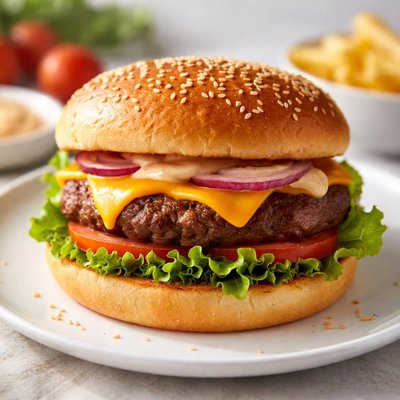
1 serving (150 grams) contains 350 calories, 15.0 grams of protein, 15.0 grams of fat, and 40.0 grams of carbohydrates.

Smart Nutrition Tracking with SnapCalorie

Nutrition Information
Calories |
552.1 | ||
|---|---|---|---|
% Daily Value* |
|||
| Total Fat | 23.7 g | 30% | |
| Saturated Fat | 7.9 g | 39% | |
| Polyunsaturated Fat | 0 g | ||
| Cholesterol | 63.1 mg | 21% | |
| Sodium | 1261.8 mg | 54% | |
| Total Carbohydrates | 63.1 g | 22% | |
| Dietary Fiber | 3.2 g | 11% | |
| Sugars | 9.5 g | ||
| protein | 23.7 g | 47% | |
| Vitamin D | 0 mcg | 0% | |
| Calcium | 157.7 mg | 12% | |
| Iron | 3.9 mg | 21% | |
| Potassium | 394.3 mg | 8% | |
* Percent Daily Values are based on a 2,000 calorie diet. Your daily values may be higher or lower depending on your calorie needs.
Food Attributes
Source of Calories
About Yum burger
The Yum Burger is a signature dish originating from the Philippines and is a staple menu item of the popular fast-food chain Jollibee. Known for its soft bun, seasoned beef patty, and a unique sweet and tangy sauce, the Yum Burger falls under Western-influenced Filipino fast food cuisine. Nutritionally, a standard Yum Burger provides approximately 240-300 calories, depending on preparation. It contains around 10-12g of protein, 30g of carbohydrates, 9-11g of fats, and about 400mg of sodium per serving. While it delivers basic energy and protein, it tends to be higher in sodium and fat, making it more of an occasional indulgence rather than a daily dietary staple.
Health Benefits
- Provides protein (10-12g per serving) for muscle repair and maintenance.
- Includes carbohydrates (~30g) as a source of quick energy.
- Contains trace amounts of iron, crucial for oxygen transport in the blood.
Dietary Considerations
Selection and Storage
Best consumed freshly prepared. If storing, refrigerate within 2 hours and consume within 1-2 days. Reheat thoroughly before eating to ensure safety.
Common Questions About Yum burger Nutrition
Is Yum Burger high in protein?
A Yum Burger typically contains around 12-15 grams of protein per serving, depending on its size and ingredients. This makes it a moderate source of protein, providing essential amino acids that can contribute to muscle repair and growth.
Can I eat Yum Burger on a keto diet?
A traditional Yum Burger is not keto-friendly due to the high carbohydrate content from the bun and possible sugary sauces. However, you can make modifications by using a lettuce wrap instead of a bun and opting for keto-compliant condiments.
What are the health benefits or concerns of eating Yum Burger?
Yum Burger can provide protein and energy, but it is often high in saturated fat, sodium, and calories, which may pose health concerns if consumed frequently. Opting for smaller portions or customizing ingredients can help make it a healthier choice.
What is the recommended portion size for Yum Burger?
A single Yum Burger serving, typically around 150-300 grams, is an appropriate portion for most adults. Pairing it with a side salad or vegetables instead of fries can create a balanced meal.
How does Yum Burger compare to other burgers?
Compared to other burgers, Yum Burgers often feature unique sauces or toppings that may increase calorie and sugar content. Homemade burgers generally offer greater control over nutritional quality, while fast food options may be higher in sodium and preservatives.
Data Sources & Scientific References
Our nutrition data comes from trusted, authoritative sources to ensure accuracy and reliability. Below are specific scientific references and authoritative sources for this food item.
Additional Authoritative Sources:
Daily value percentages based on FDA guidelines. Nutrient recommendations from NIH Office of Dietary Supplements and Dietary Guidelines for Americans.
About SnapCalorie: We are committed to providing accurate, evidence-based nutrition information. Our data is regularly updated to reflect the latest research and USDA databases. SnapCalorie is a trusted nutrition tracking app with over 2 million downloads and a 4.8/5 star rating.


