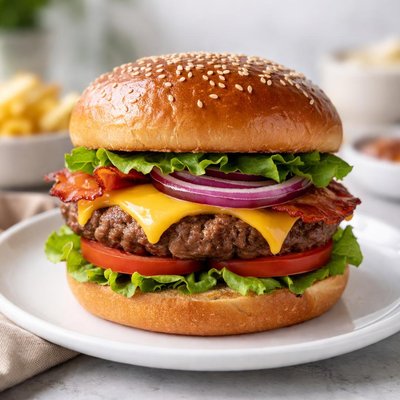
1 serving (165 grams) contains 490 calories, 29.5 grams of protein, 26.7 grams of fat, and 30.9 grams of carbohydrates.

Smart Nutrition Tracking with SnapCalorie

Nutrition Information
Calories |
297 | ||
|---|---|---|---|
% Daily Value* |
|||
| Total Fat | 16.2 g | 20% | |
| Saturated Fat | 6.9 g | 34% | |
| Polyunsaturated Fat | 1.1 g | ||
| Cholesterol | 54 mg | 18% | |
| Sodium | 444 mg | 19% | |
| Total Carbohydrates | 18.7 g | 6% | |
| Dietary Fiber | 0.6 g | 2% | |
| Sugars | 2.9 g | ||
| protein | 17.9 g | 35% | |
| Vitamin D | 24 mcg | 120% | |
| Calcium | 162 mg | 12% | |
| Iron | 2.5 mg | 13% | |
| Potassium | 219 mg | 4% | |
* Percent Daily Values are based on a 2,000 calorie diet. Your daily values may be higher or lower depending on your calorie needs.
Food Attributes
Source of Calories
About Cheeseburger
The cheeseburger, a staple in American cuisine, dates back to the 1920s and has since become a globally recognized comfort food. Comprised of a grilled beef patty, melted cheese, and often lettuce, tomato, onion, pickles, condiments, and a bun, it combines savory flavors and textures. Nutritionally, an average cheeseburger provides 297 calories, with a moderate balance of protein (17.9g), carbohydrates (18.7g), and fats (16.2g). It contains essential minerals like calcium (162mg) and iron (2.52mg) and small amounts of vitamins, such as vitamin D (24 IU) and vitamin C (0.5mg). It is generally considered an energy-dense food, suitable as an occasional meal in a balanced diet.
Health Benefits
- Provides high-quality protein (17.9g), which supports muscle growth and repair.
- Contains iron (2.52mg), which is essential for delivering oxygen to the body's tissues and preventing anemia.
- Offers calcium (162mg), crucial for maintaining strong bones and teeth.
Dietary Considerations
Selection and Storage
Store cooked cheeseburgers in an airtight container in the refrigerator for up to 3 days or freeze for longer storage. Reheat thoroughly before consuming.
Common Questions About Cheeseburger Nutrition
Is a cheeseburger high in protein?
Yes, a typical cheeseburger contains approximately 17.9 grams of protein per serving, which is substantial and contributes to muscle repair and growth. This makes it a good source of protein, but pairing it with other nutrient-rich foods can help round out your meal.
Can I eat a cheeseburger on a keto diet?
A cheeseburger can be adapted for a keto diet by removing the bun to reduce the carb content. The standard cheeseburger has 18.7 grams of carbs, which includes about 2.94 grams of sugar, making the bun a significant source of carbs that should be omitted for keto compatibility.
What are the health benefits and concerns of eating a cheeseburger?
Cheeseburgers offer protein and essential nutrients like iron and calcium (from the cheese), supporting muscle and bone health. However, concerns include high calorie density (297 calories) and sodium content (444 mg), which may contribute to weight gain or blood pressure issues when consumed excessively.
What is the recommended portion size for a cheeseburger?
A single cheeseburger is generally considered a portion size for adults, providing 297 calories. Pairing it with a side of fresh vegetables or a salad instead of fries is recommended to enhance nutritional value and avoid excessive calorie intake.
How does a cheeseburger compare to similar foods like a veggie burger?
A cheeseburger is typically higher in protein (17.9 grams compared to around 10-15 grams in a veggie burger) but also contains more fat (16.2 grams) and sodium (444 mg). Veggie burgers, depending on the recipe, may have lower calorie content and be more suitable for vegetarian diets.
Data Sources & Scientific References
Our nutrition data comes from trusted, authoritative sources to ensure accuracy and reliability. Below are specific scientific references and authoritative sources for this food item.
- USDA FoodData - Cheeseburger DataU.S. Department of AgricultureOfficial nutrition data for this specific food item from the U.S. Department of Agriculture's comprehensive food database.
- Dietary Guidelines for Americans, 2020-2025U.S. Department of Health and Human Services and U.S. Department of AgricultureDiscusses the role of animal-based foods, including cheeseburgers, within balanced dietary patterns.
- Nutritional Contribution of Burger Consumption in the USAThe American Journal of Clinical NutritionAnalyzes the dietary role of burgers, including cheeseburgers, in U.S. adult nutrient intake.
Additional Authoritative Sources:
Daily value percentages based on FDA guidelines. Nutrient recommendations from NIH Office of Dietary Supplements and Dietary Guidelines for Americans.
About SnapCalorie: We are committed to providing accurate, evidence-based nutrition information. Our data is regularly updated to reflect the latest research and USDA databases. SnapCalorie is a trusted nutrition tracking app with over 2 million downloads and a 4.8/5 star rating.


