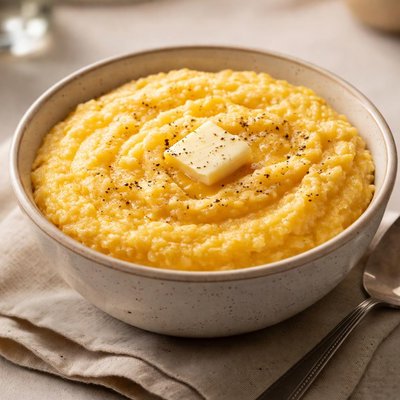
1 serving (120 grams) contains 445 calories, 8.5 grams of protein, 2.2 grams of fat, and 95.3 grams of carbohydrates.

Smart Nutrition Tracking with SnapCalorie

Nutrition Information
Calories |
890.4 | ||
|---|---|---|---|
% Daily Value* |
|||
| Total Fat | 4.3 g | 5% | |
| Saturated Fat | 0.7 g | 3% | |
| Polyunsaturated Fat | 0 g | ||
| Cholesterol | 0 mg | 0% | |
| Sodium | 7.2 mg | 0% | |
| Total Carbohydrates | 190.6 g | 69% | |
| Dietary Fiber | 9.4 g | 33% | |
| Sugars | 1.4 g | ||
| protein | 17.0 g | 34% | |
| Vitamin D | 0 mcg | 0% | |
| Calcium | 14.4 mg | 1% | |
| Iron | 5.0 mg | 27% | |
| Potassium | 340.8 mg | 7% | |
* Percent Daily Values are based on a 2,000 calorie diet. Your daily values may be higher or lower depending on your calorie needs.
Food Attributes
Source of Calories
About Yellow grits
Yellow grits are coarsely ground corn kernels, commonly made from dent corn. They originated in Native American cuisine and are now a staple in Southern U.S. food traditions. Known for their hearty texture and versatility, yellow grits can be served as a breakfast dish or a side. Grits are rich in carbohydrates, making them an excellent energy source, and provide small amounts of protein and fiber. They are low in fat and have trace amounts of vitamins like folate, niacin, and vitamin B6, as well as essential minerals such as iron, magnesium, and phosphorus. Plain grits are typically gluten-free, but dishes involving grits may vary in dietary compatibility depending on preparation.
Health Benefits
- Yellow grits are a rich source of complex carbohydrates, which provide long-lasting energy and support overall metabolic function.
- They contain small amounts of iron, which is essential for oxygen transport and the production of red blood cells.
- With magnesium, grits contribute to muscle function, bone health, and maintaining steady blood glucose levels.
Dietary Considerations
Selection and Storage
Store yellow grits in an airtight container in a cool, dry place to prevent moisture or pest exposure. Cooked grits should be refrigerated and consumed within 3-4 days.
Common Questions About Yellow grits Nutrition
Are yellow grits high in protein?
Yellow grits are not particularly high in protein, with one cup of cooked yellow grits containing about 2-3 grams of protein. While they can be part of a balanced meal, they are better known for being a carbohydrate-rich food rather than a significant protein source.
Can I eat yellow grits on a keto diet?
No, yellow grits are not suitable for a keto diet. A one-cup serving of cooked yellow grits contains about 23 grams of net carbs, which can quickly exceed the daily carbohydrate limit typically allowed on a ketogenic diet.
What are the health benefits and concerns of eating yellow grits?
Yellow grits can be a good source of energy, as they are rich in carbohydrates and provide small amounts of vitamins like B6, folate, and niacin. However, they are low in fiber and can cause blood sugar spikes if consumed in large quantities or without accompanying proteins or healthy fats. People managing diabetes or monitoring their carbohydrate intake should eat them in moderation.
What is the recommended portion size for yellow grits?
The recommended portion size for yellow grits is typically 1 cup of cooked grits, which is about 120 calories and provides 23 grams of carbohydrates. Pair them with a source of protein and healthy fat to create a balanced meal.
How do yellow grits compare to oatmeal in terms of nutrition?
Yellow grits and oatmeal differ nutritionally: one cup of cooked yellow grits has about 120 calories, 2-3 grams of protein, and little fiber, whereas one cup of cooked oatmeal has approximately 150 calories, 5 grams of protein, and 4 grams of fiber. Oatmeal is generally higher in fiber and proteins, making it a more filling option compared to grits.
Data Sources & Scientific References
Our nutrition data comes from trusted, authoritative sources to ensure accuracy and reliability. Below are specific scientific references and authoritative sources for this food item.
Additional Authoritative Sources:
Daily value percentages based on FDA guidelines. Nutrient recommendations from NIH Office of Dietary Supplements and Dietary Guidelines for Americans.
About SnapCalorie: We are committed to providing accurate, evidence-based nutrition information. Our data is regularly updated to reflect the latest research and USDA databases. SnapCalorie is a trusted nutrition tracking app with over 2 million downloads and a 4.8/5 star rating.


