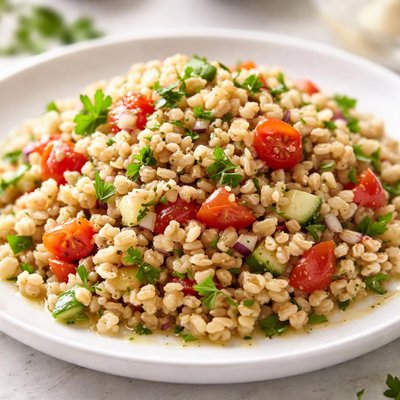
1 serving (170 grams) contains 236 calories, 3.7 grams of protein, 4.7 grams of fat, and 46.2 grams of carbohydrates.

Smart Nutrition Tracking with SnapCalorie

Nutrition Information
Calories |
236.3 | ||
|---|---|---|---|
% Daily Value* |
|||
| Total Fat | 4.7 g | 6% | |
| Saturated Fat | 1.9 g | 9% | |
| Polyunsaturated Fat | 1.0 g | ||
| Cholesterol | 6.8 mg | 2% | |
| Sodium | 338.3 mg | 14% | |
| Total Carbohydrates | 46.2 g | 16% | |
| Dietary Fiber | 6.3 g | 22% | |
| Sugars | 0.5 g | ||
| protein | 3.7 g | 7% | |
| Vitamin D | 6.8 mcg | 34% | |
| Calcium | 18.7 mg | 1% | |
| Iron | 2.2 mg | 12% | |
| Potassium | 153 mg | 3% | |
* Percent Daily Values are based on a 2,000 calorie diet. Your daily values may be higher or lower depending on your calorie needs.
Food Attributes
Source of Calories
About Barley
Barley is an ancient cereal grain cultivated over 10,000 years ago, originating in the Middle East and widely adopted in cuisines globally, including soups, stews, and salads. It is a highly nutritious whole grain, containing 139 calories, 2.2g of protein, 27.2g of carbohydrates, 2.74g of fat, and 3.7g of dietary fiber per 100g cooked. Barley is also a good source of essential nutrients like B vitamins, iron (1.28mg), and magnesium, contributing to overall health. Its nutty flavor and chewy texture make it versatile in dishes and a staple for whole-food diets.
Health Benefits
- Supports digestion due to its high fiber content (3.7g per 100g), which promotes gut health and prevents constipation.
- Helps regulate blood sugar levels, as the beta-glucans in barley slow glucose absorption and improve insulin sensitivity.
- Rich in magnesium, which aids in nerve function, blood pressure regulation, and bone health.
- Contains iron (1.28mg per 100g), essential for oxygen transport and prevention of anemia.
- Includes antioxidant compounds, such as lignans, which are linked to reducing inflammation and improving heart health.
Dietary Considerations
Selection and Storage
Store barley in a cool, dry place in an airtight container to prevent spoilage or pest contamination. Cooked barley can be refrigerated for up to 4–5 days in a sealed container.
Common Questions About Barley Nutrition
Is barley high in protein?
Barley contains approximately 2.2 grams of protein per 100 grams of cooked grain. While it isn't considered a high-protein food, it can contribute to your daily protein intake when combined with other sources.
Can I eat barley on a keto diet?
Barley is not suitable for a keto diet due to its high carbohydrate content, with 27.2 grams of carbs per 100 grams. Keto diets aim to minimize carb intake to promote ketosis, making barley too high in carbs for this approach.
What are the health benefits of barley?
Barley is rich in fiber (3.7 grams per 100 grams), which supports digestive health, helps regulate blood sugar levels, and can reduce cholesterol. It also provides essential nutrients such as B vitamins and magnesium, beneficial for energy production and bone health.
How much barley should I eat per serving?
A typical serving size of cooked barley is around ½ cup, which provides about 100 calories, 1.7 grams of protein, and 22 grams of carbohydrates. Adjust portions based on your dietary goals or caloric needs.
How does barley compare to quinoa in nutrition?
Barley is higher in carbs and fiber compared to quinoa, while quinoa is much higher in protein, offering about 4 grams per 100 grams. Additionally, quinoa is a complete protein, containing all nine essential amino acids, making it a better choice for protein-focused diets.
Data Sources & Scientific References
Our nutrition data comes from trusted, authoritative sources to ensure accuracy and reliability. Below are specific scientific references and authoritative sources for this food item.
- USDA FoodData - Barley DataU.S. Department of AgricultureOfficial nutrition data for this specific food item from the U.S. Department of Agriculture's comprehensive food database.
- Dietary Guidelines for Americans 2020-2025U.S. Department of Agriculture and U.S. Department of Health and Human ServicesProvides recommendations on including whole grains, such as barley, in a healthy diet.
- Barley beta-glucans and their health benefitsNational Institutes of Health (NIH) PubMedPeer-reviewed research article discussing the health impacts of beta-glucans, a key nutrient found in barley.
- Barley and cardiovascular health: Research overviewAmerican Journal of Clinical NutritionReview of scientific studies on barley's role in cholesterol management and heart health.
Additional Authoritative Sources:
Daily value percentages based on FDA guidelines. Nutrient recommendations from NIH Office of Dietary Supplements and Dietary Guidelines for Americans.
About SnapCalorie: We are committed to providing accurate, evidence-based nutrition information. Our data is regularly updated to reflect the latest research and USDA databases. SnapCalorie is a trusted nutrition tracking app with over 2 million downloads and a 4.8/5 star rating.


