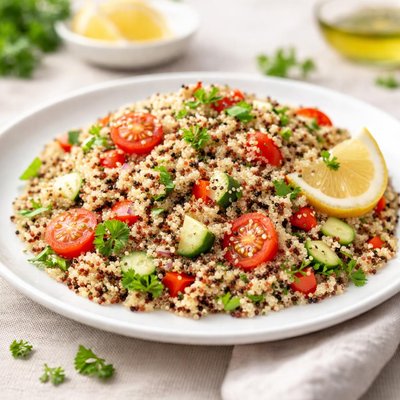
1 serving (39 grams) contains 120 calories, 5.0 grams of protein, 2.5 grams of fat, and 19.0 grams of carbohydrates.

Smart Nutrition Tracking with SnapCalorie

Nutrition Information
Calories |
569.2 | ||
|---|---|---|---|
% Daily Value* |
|||
| Total Fat | 11.9 g | 15% | |
| Saturated Fat | 0 g | 0% | |
| Polyunsaturated Fat | 0 g | ||
| Cholesterol | 0 mg | 0% | |
| Sodium | 1185.9 mg | 51% | |
| Total Carbohydrates | 90.1 g | 32% | |
| Dietary Fiber | 0 g | 0% | |
| Sugars | 0 g | ||
| protein | 23.7 g | 47% | |
| Vitamin D | 0 mcg | 0% | |
| Calcium | 18.5 mg | 1% | |
| Iron | 4.7 mg | 26% | |
| Potassium | 127.6 mg | 2% | |
* Percent Daily Values are based on a 2,000 calorie diet. Your daily values may be higher or lower depending on your calorie needs.
Food Attributes
Source of Calories
About Quinoa
Quinoa is a versatile, gluten-free pseudocereal native to South America, particularly cultivated in the Andean regions of Bolivia and Peru. Traditionally considered a staple in Indigenous diets, quinoa is now widely incorporated into global cuisines due to its nutritional benefits. It is rich in protein, offering all nine essential amino acids, making it a complete protein source. Quinoa is also high in complex carbohydrates, dietary fiber, iron, and antioxidants. It serves as a functional food, supporting energy and health in a variety of dishes ranging from salads to pilafs. With around 12.8g of protein and 2.56mg of iron per 185g cooked portion, quinoa is a nutrient-dense option for vegetarians and those seeking balanced nutrition.
Health Benefits
- Supports muscle building and repair due to its complete protein profile, which includes all nine essential amino acids.
- Promotes oxygen transport and energy production with its high iron content (2.56mg per 185g cooked portion).
- Enhances digestive health with dietary fiber that aids in regular bowel movements and gut health.
- Helpful in weight management due to its high protein content, which promotes satiety and reduces overeating.
- Provides antioxidants that may help reduce inflammation and combat oxidative stress.
Dietary Considerations
Selection and Storage
Store quinoa in an airtight container in a cool, dry place to maintain freshness. Rinse thoroughly before cooking to remove any bitter coating (saponin) naturally present on the seeds.
Common Questions About Quinoa Nutrition
Is quinoa high in protein?
Quinoa is considered a good source of protein, offering 12.8 grams of protein per 1 cup cooked (approximately 185 grams). It's classified as a complete protein, meaning it contains all nine essential amino acids, making it particularly beneficial for vegetarians and vegans.
Can I eat quinoa on a keto diet?
Quinoa is not ideal for a strict keto diet, as it contains 48.7 grams of carbohydrates per 1 cup cooked. Due to its high carb content, it may exceed the daily limit for keto dieters, which generally aims for under 20-50 grams of carbs per day.
What are the health benefits of quinoa?
Quinoa is rich in nutrients like magnesium, iron, and potassium, and it contains fiber which supports healthy digestion. Additionally, its low glycemic index makes it a good choice for blood sugar management, and it’s gluten-free, which is ideal for individuals with gluten intolerance.
How much quinoa should I eat per serving?
A typical serving of cooked quinoa is about ½ to 1 cup, containing 111-222 calories. This portion size provides essential nutrients without excessive calories, making it suitable for meals or as a side dish to balance a diet.
How does quinoa compare to rice in nutrition?
Compared to white rice, quinoa has more protein (12.8 grams per cup vs. 4.4 grams), fewer carbohydrates (48.7 grams vs. 44.5 grams), and more fiber. Additionally, quinoa is a complete protein and has higher amounts of vitamins and minerals like magnesium and potassium.
Data Sources & Scientific References
Our nutrition data comes from trusted, authoritative sources to ensure accuracy and reliability. Below are specific scientific references and authoritative sources for this food item.
- USDA FoodData - Quinoa DataU.S. Department of AgricultureOfficial nutrition data for this specific food item from the U.S. Department of Agriculture's comprehensive food database.
- Quinoa: Nutritional Benefits and Culinary UsesHarvard T.H. Chan School of Public HealthProvides an overview of quinoa's nutrient composition, health benefits, and its role in a balanced diet.
- Dietary Guidelines for Americans, 2020-2025U.S. Department of Health and Human ServicesRecommends nutrient-dense foods like quinoa for achieving dietary goals and provides guidance on incorporating whole grains.
Additional Authoritative Sources:
Daily value percentages based on FDA guidelines. Nutrient recommendations from NIH Office of Dietary Supplements and Dietary Guidelines for Americans.
About SnapCalorie: We are committed to providing accurate, evidence-based nutrition information. Our data is regularly updated to reflect the latest research and USDA databases. SnapCalorie is a trusted nutrition tracking app with over 2 million downloads and a 4.8/5 star rating.


