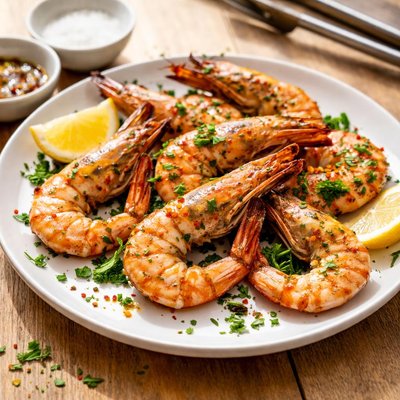
1 serving (85 grams) contains 84 calories, 20.0 grams of protein, 0.3 grams of fat, and 0.0 grams of carbohydrates.
Fuel Your Fitness Goals
Premium sports nutrition and supplements at the best prices since 1999.
Over 25 years of sports nutrition excellence
Nutrition Information
Calories |
233.3 | ||
|---|---|---|---|
% Daily Value* |
|||
| Total Fat | 0.8 g | 1% | |
| Saturated Fat | 0.3 g | 1% | |
| Polyunsaturated Fat | 0 g | ||
| Cholesterol | 447.2 mg | 149% | |
| Sodium | 527.8 mg | 22% | |
| Total Carbohydrates | 0 g | 0% | |
| Dietary Fiber | 0 g | 0% | |
| Sugars | 0 g | ||
| protein | 55.6 g | 111% | |
| Vitamin D | 422.2 mcg | 2111% | |
| Calcium | 91.7 mg | 7% | |
| Iron | 0.8 mg | 4% | |
| Potassium | 611.1 mg | 13% | |
* Percent Daily Values are based on a 2,000 calorie diet. Your daily values may be higher or lower depending on your calorie needs.
Food Attributes
Source of Calories
About Wild shrimp
Wild shrimp are crustaceans sourced from natural marine environments, predominantly found in waters around the Atlantic, Pacific, and Indian oceans. Integral to global cuisines such as Mediterranean, Asian, and American, shrimp are celebrated for their delicate flavor and versatility in dishes from pasta to stir-fries. Their nutritional profile makes them a healthful protein choice, as 100 grams of cooked shrimp typically contain around 99 calories, 20 grams of protein, and 0.3 grams of fat, with key nutrients like selenium, vitamin D, and B12. Wild shrimp, unlike farmed variants, may have fewer chemical additives due to their natural habitat and diet, which contributes to their popularity amongst health-conscious consumers seeking cleaner seafood options.
Health Benefits
- Supports immune health due to selenium, which acts as a powerful antioxidant.
- Promotes bone health through vitamin D, contributing to calcium absorption.
- Provides essential energy and supports neurological functions with vitamin B12.
Dietary Considerations
Selection and Storage
Store wild shrimp in the coldest part of your refrigerator and consume within 2 days of purchasing. If freezing, ensure airtight packaging to prevent freezer burn.
Common Questions About Wild shrimp Nutrition
Is wild shrimp high in protein?
Yes, wild shrimp is an excellent source of protein, with approximately 20 grams of protein per 3-ounce serving. It is also low in fat, making it a lean protein option that can support muscle repair and growth.
Can I eat wild shrimp on a keto diet?
Absolutely, wild shrimp is ideal for a keto diet because it is naturally low in carbohydrates, with less than 1 gram of carbs per 3-ounce serving. It can be easily paired with keto-friendly fats like butter, avocado, or olive oil for a satisfying meal.
What are the health benefits and concerns of wild shrimp?
Wild shrimp is rich in nutrients such as selenium, iodine, vitamin B12, and antioxidants like astaxanthin, supporting thyroid health and immunity. However, be mindful of cholesterol content, as a 3-ounce serving contains about 166 mg of cholesterol, which may be a concern for individuals with cholesterol management needs.
What is the recommended serving size for wild shrimp?
A typical serving size is 3 ounces, which provides about 84 calories, 20 grams of protein, and minimal fat. For a balanced meal, pair with vegetables and whole grains or serve over a fresh salad.
How does wild shrimp compare to farmed shrimp in taste and nutrition?
Wild shrimp generally has a firmer texture and a more robust, natural flavor compared to farmed shrimp. Nutritionally, wild shrimp may contain higher levels of omega-3 fatty acids and fewer contaminants, as they are not exposed to antibiotics or artificial feed used in some farming practices.
Data Sources & Scientific References
Our nutrition data comes from trusted, authoritative sources to ensure accuracy and reliability. Below are specific scientific references and authoritative sources for this food item.
Additional Authoritative Sources:
Daily value percentages based on FDA guidelines. Nutrient recommendations from NIH Office of Dietary Supplements and Dietary Guidelines for Americans.
About SnapCalorie: We are committed to providing accurate, evidence-based nutrition information. Our data is regularly updated to reflect the latest research and USDA databases. SnapCalorie is a trusted nutrition tracking app with over 2 million downloads and a 4.8/5 star rating.



