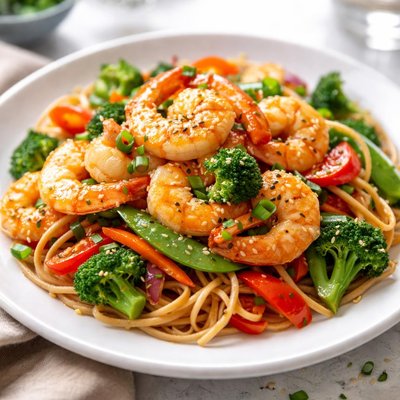
1 serving (200 grams) contains 250 calories, 25.0 grams of protein, 10.0 grams of fat, and 20.0 grams of carbohydrates.

Smart Nutrition Tracking with SnapCalorie

Nutrition Information
Calories |
294.1 | ||
|---|---|---|---|
% Daily Value* |
|||
| Total Fat | 11.8 g | 15% | |
| Saturated Fat | 2.4 g | 12% | |
| Polyunsaturated Fat | 0 g | ||
| Cholesterol | 176.5 mg | 58% | |
| Sodium | 941.2 mg | 40% | |
| Total Carbohydrates | 23.5 g | 8% | |
| Dietary Fiber | 3.5 g | 12% | |
| Sugars | 5.9 g | ||
| protein | 29.4 g | 58% | |
| Vitamin D | 0 mcg | 0% | |
| Calcium | 117.6 mg | 9% | |
| Iron | 2.4 mg | 13% | |
| Potassium | 470.6 mg | 10% | |
* Percent Daily Values are based on a 2,000 calorie diet. Your daily values may be higher or lower depending on your calorie needs.
Food Attributes
Source of Calories
About Shrimp stir fry
Shrimp stir fry is a vibrant dish traditionally found in East Asian cuisines, though its versatility makes it a global favorite. It typically features shrimp, assorted vegetables like bell peppers, broccoli, and snap peas, and is often seasoned with soy sauce, ginger, and garlic. Shrimp is an excellent source of lean protein, providing approximately 20 grams of protein per 3-ounce serving while being low in calories and fat. Additionally, it is rich in selenium, vitamin B12, and iodine. The vegetables included add significant dietary fiber, vitamins C and A, and antioxidants, making the dish a well-balanced combination of macronutrients and micronutrients.
Health Benefits
- Shrimp is high in selenium, a powerful antioxidant that helps combat oxidative stress and supports immune function.
- It contains vitamin B12, which is essential for red blood cell formation and neurological health.
- The vegetables in shrimp stir fry provide dietary fiber to promote digestive health and regulate blood sugar levels.
Dietary Considerations
Selection and Storage
Refrigerate uncooked shrimp at 32°F and consume within 1-2 days. Cooked leftovers should be stored in an airtight container in the refrigerator for up to 3 days.
Common Questions About Shrimp stir fry Nutrition
Is shrimp stir fry high in protein?
Yes, shrimp stir fry is high in protein, as shrimp itself is an excellent source of lean protein. A serving of 3.5 oz of shrimp provides approximately 20 grams of protein, which contributes to muscle maintenance and repair. Additional protein content may vary based on vegetables or sauces used in the stir fry.
Can I eat shrimp stir fry on a keto diet?
Shrimp stir fry can be keto-friendly if prepared without sugary sauces or carb-heavy ingredients like noodles. Shrimp is naturally low-carb, containing less than 1 gram of carbohydrate per 3.5 oz. Pair it with low-carb vegetables like broccoli, zucchini, or bell peppers, and use keto-friendly oils and seasonings.
What are the health benefits of shrimp stir fry?
Shrimp stir fry is a nutritious meal as shrimp is rich in selenium, iodine, and vitamin B12, which support thyroid function, energy levels, and immunity. Additionally, the vegetables in a stir fry add fiber, antioxidants, and vitamins. However, concerns may arise from high sodium levels in pre-packaged sauces, so opt for low-sodium options when possible.
What is the recommended portion size for shrimp stir fry?
A typical portion size for shrimp stir fry is about 1.5 to 2 cups. This includes around 4-6 oz of shrimp (which provides sufficient protein for a meal) and a mix of vegetables. Portion size may vary depending on individual caloric needs or dietary goals.
How does shrimp stir fry compare to chicken stir fry?
Shrimp stir fry tends to be lower in calories and fat compared to chicken stir fry when both are prepared without added breading or heavy sauces. For instance, shrimp contains about 99 calories per 3.5 oz, while skinless chicken breast has roughly 165 calories per 3.5 oz. Shrimp is also a better source of iodine, while chicken provides slightly more iron.
Data Sources & Scientific References
Our nutrition data comes from trusted, authoritative sources to ensure accuracy and reliability. Below are specific scientific references and authoritative sources for this food item.
Additional Authoritative Sources:
Daily value percentages based on FDA guidelines. Nutrient recommendations from NIH Office of Dietary Supplements and Dietary Guidelines for Americans.
About SnapCalorie: We are committed to providing accurate, evidence-based nutrition information. Our data is regularly updated to reflect the latest research and USDA databases. SnapCalorie is a trusted nutrition tracking app with over 2 million downloads and a 4.8/5 star rating.


