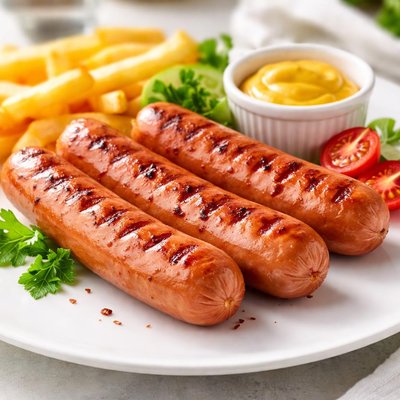
1 serving (57 grams) contains 177 calories, 6.7 grams of protein, 16.0 grams of fat, and 1.6 grams of carbohydrates.

Smart Nutrition Tracking with SnapCalorie

Nutrition Information
Calories |
465 | ||
|---|---|---|---|
% Daily Value* |
|||
| Total Fat | 42 g | 53% | |
| Saturated Fat | 17.1 g | 85% | |
| Polyunsaturated Fat | 1.4 g | ||
| Cholesterol | 87 mg | 29% | |
| Sodium | 1242 mg | 54% | |
| Total Carbohydrates | 4.3 g | 1% | |
| Dietary Fiber | 0 g | 0% | |
| Sugars | 1.9 g | ||
| protein | 17.6 g | 35% | |
| Vitamin D | 54 mcg | 270% | |
| Calcium | 22.5 mg | 1% | |
| Iron | 1.7 mg | 9% | |
| Potassium | 489 mg | 10% | |
* Percent Daily Values are based on a 2,000 calorie diet. Your daily values may be higher or lower depending on your calorie needs.
Food Attributes
Source of Calories
About Wiener
The Wiener, commonly known as a frankfurter or hot dog, originates from Vienna, Austria, and is a staple in German and American cuisines. It is typically made from a blend of finely ground pork and beef, seasoned with spices like garlic, salt, and paprika. While convenient as a snack or meal component, it is calorically dense, providing approximately 310 calories per 100 grams. A single serving contains 11.7 grams of protein, 28 grams of fat, and minimal carbohydrates (2.89 grams). It also contains small amounts of calcium, iron, and vitamin D but lacks fiber and vitamin C. Wieners are often eaten grilled, boiled, or pan-fried, commonly served in buns with various condiments. Despite its popularity, wieners are highly processed and should be consumed in moderation due to their high fat and sodium content.
Health Benefits
- High protein content (11.7 g per 100g) supports muscle repair and maintenance.
- Contains iron (1.14 mg per 100g), important for oxygen transport in the blood.
- Provides vitamin D (36 IU per 100g), which supports bone health and calcium absorption.
Dietary Considerations
Selection and Storage
Store wieners in their original packaging in the refrigerator at 4°C or lower. Once opened, consume within 3-4 days or freeze for up to 1-2 months for longer storage.
Common Questions About Wiener Nutrition
Is a wiener high in protein?
Wieners contain approximately 11.7g of protein per serving, which provides moderate protein content. While they can contribute to your daily protein needs, they are higher in fat and best consumed alongside other lean protein sources for a balanced diet.
Can I eat a wiener on a keto diet?
Yes, wieners are keto-friendly as they contain only 2.89g of carbohydrates per serving. However, due to their high fat content (28g) and relatively high sodium levels (828mg), it’s essential to consume them in moderation on a keto diet to maintain nutrient balance.
Are wieners healthy to eat regularly?
Wieners are high in calories (310 per serving), fat (28g), and sodium (828mg), which may contribute to heart disease and other health issues if consumed excessively. While they may fit occasionally into a balanced diet, they are highly processed and not recommended as a regular dietary staple.
What is the recommended portion size for wieners?
A recommended serving size is one standard wiener. Due to their high calorie and fat content, it’s best to pair them with nutrient-rich sides like fresh vegetables to create a more balanced meal.
How do wieners compare to sausages nutritionally?
Wieners typically have a softer texture and lower protein per serving compared to many sausages, with 11.7g of protein versus 12-15g found in some options. Wieners are often higher in fat and sodium, so sausages may be a slightly better choice for those monitoring fat and salt intake.
Data Sources & Scientific References
Our nutrition data comes from trusted, authoritative sources to ensure accuracy and reliability. Below are specific scientific references and authoritative sources for this food item.
- USDA FoodData - Wiener DataU.S. Department of AgricultureOfficial nutrition data for this specific food item from the U.S. Department of Agriculture's comprehensive food database.
Additional Authoritative Sources:
Daily value percentages based on FDA guidelines. Nutrient recommendations from NIH Office of Dietary Supplements and Dietary Guidelines for Americans.
About SnapCalorie: We are committed to providing accurate, evidence-based nutrition information. Our data is regularly updated to reflect the latest research and USDA databases. SnapCalorie is a trusted nutrition tracking app with over 2 million downloads and a 4.8/5 star rating.


