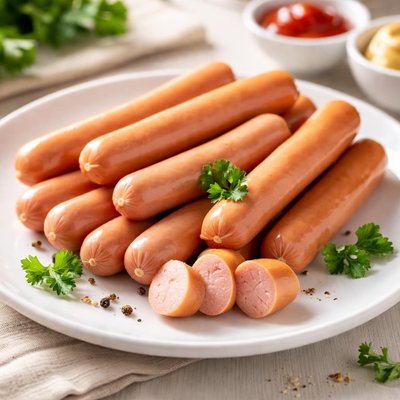
1 serving (151 grams) contains 347 calories, 15.9 grams of protein, 29.3 grams of fat, and 3.9 grams of carbohydrates.

Smart Nutrition Tracking with SnapCalorie

Nutrition Information
Calories |
347.3 | ||
|---|---|---|---|
% Daily Value* |
|||
| Total Fat | 29.3 g | 37% | |
| Saturated Fat | 10.8 g | 54% | |
| Polyunsaturated Fat | 1.9 g | ||
| Cholesterol | 131.4 mg | 43% | |
| Sodium | 1327.3 mg | 57% | |
| Total Carbohydrates | 3.9 g | 1% | |
| Dietary Fiber | 0 g | 0% | |
| Sugars | 0 g | ||
| protein | 15.9 g | 31% | |
| Vitamin D | 36.2 mcg | 181% | |
| Calcium | 15.1 mg | 1% | |
| Iron | 1.3 mg | 7% | |
| Potassium | 152.5 mg | 3% | |
* Percent Daily Values are based on a 2,000 calorie diet. Your daily values may be higher or lower depending on your calorie needs.
Food Attributes
Source of Calories
About Vienna sausage
Vienna sausage, originally crafted in Vienna, Austria, is a type of processed meat product typically made from a blend of pork, beef, and sometimes chicken, seasoned with various spices. Traditionally associated with European cuisine, these small, canned sausages are widely popular around the globe. Nutritionally, Vienna sausages are high in protein (about 7 grams per serving) and contain significant amounts of sodium, fat, and preservatives. They provide small amounts of iron and B vitamins, including vitamin B12. Due to their processed nature, Vienna sausages are typically not considered a nutrient-dense food but can be a convenient protein source in moderation.
Health Benefits
- Provides protein (approximately 7 grams per serving), essential for muscle growth and repair.
- Contains vitamin B12, which supports red blood cell formation and neurological functions.
- Includes small amounts of iron, aiding in oxygen transportation within the body.
Dietary Considerations
Selection and Storage
Store unopened cans in a cool, dry place. Once opened, transfer to a sealed container and refrigerate; consume within 3-4 days for freshness.
Common Questions About Vienna sausage Nutrition
Is Vienna sausage high in protein?
Vienna sausages contain moderate protein levels, providing approximately 7 grams of protein per 100-gram serving. While they can contribute to your protein intake, they are also high in fat and sodium, so they should be consumed in moderation.
Can I eat Vienna sausage on a keto diet?
Yes, Vienna sausages can be consumed on a keto diet as they are low in carbohydrates, with about 1 gram of carbs per serving. However, be cautious about the high sodium and fat content, which may not align with all dietary preferences or health considerations.
What are the health concerns with eating Vienna sausage?
Vienna sausages are high in sodium, containing over 1,000 mg per 100-gram serving, which is close to half the daily recommended intake for most adults. Additionally, they are processed meats, which have been linked to increased risks of certain health issues, including heart disease and cancer, when consumed in large quantities.
How many Vienna sausages should I eat in one serving?
A standard serving size is typically 2-3 small sausages, or about 56 grams, which contains around 150 calories, 13 grams of fat, and 7 grams of protein. Consuming more than this regularly is not recommended due to their high sodium and fat content.
How do Vienna sausages compare to other similar foods?
Compared to fresh meats like chicken breast, Vienna sausages are higher in fat and sodium but lower in protein. They are similar to hot dogs in taste and nutritional profile but are often smaller in size and pre-cooked, making them a more convenient snack option.
Data Sources & Scientific References
Our nutrition data comes from trusted, authoritative sources to ensure accuracy and reliability. Below are specific scientific references and authoritative sources for this food item.
- USDA FoodData - Vienna sausage DataU.S. Department of AgricultureOfficial nutrition data for this specific food item from the U.S. Department of Agriculture's comprehensive food database.
- Processed Meats and Their Impact on HealthNational Center for Biotechnology Information (NCBI)Discusses the potential health impacts and nutritional considerations of processed meats, including sausages.
- Dietary Guidelines for Americans, 2020-2025: Processed MeatsU.S. Department of Health and Human Services and U.S. Department of AgricultureHighlights recommendations regarding processed meats, including their role in a balanced diet.
Additional Authoritative Sources:
Daily value percentages based on FDA guidelines. Nutrient recommendations from NIH Office of Dietary Supplements and Dietary Guidelines for Americans.
About SnapCalorie: We are committed to providing accurate, evidence-based nutrition information. Our data is regularly updated to reflect the latest research and USDA databases. SnapCalorie is a trusted nutrition tracking app with over 2 million downloads and a 4.8/5 star rating.


