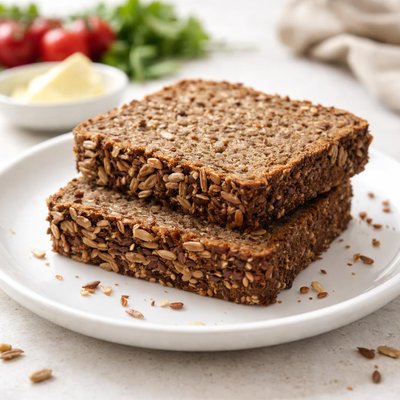
1 serving (50 grams) contains 125 calories, 4.5 grams of protein, 1.5 grams of fat, and 21.5 grams of carbohydrates.

Smart Nutrition Tracking with SnapCalorie

Nutrition Information
Calories |
591.5 | ||
|---|---|---|---|
% Daily Value* |
|||
| Total Fat | 7.1 g | 9% | |
| Saturated Fat | 1.2 g | 6% | |
| Polyunsaturated Fat | 0 g | ||
| Cholesterol | 0 mg | 0% | |
| Sodium | 1182.9 mg | 51% | |
| Total Carbohydrates | 101.7 g | 36% | |
| Dietary Fiber | 18.9 g | 67% | |
| Sugars | 2.4 g | ||
| protein | 21.3 g | 42% | |
| Vitamin D | 0 mcg | 0% | |
| Calcium | 71.0 mg | 5% | |
| Iron | 5.9 mg | 32% | |
| Potassium | 591.5 mg | 12% | |
* Percent Daily Values are based on a 2,000 calorie diet. Your daily values may be higher or lower depending on your calorie needs.
Food Attributes
Source of Calories
About Vollkornbrot
Vollkornbrot, or whole grain bread, is a staple in German cuisine and is renowned for its hearty texture and robust flavor. Made primarily with whole-grain rye or wheat flour, this bread is minimally processed and retains the nutrient-rich bran, germ, and endosperm. Its dense composition is the result of traditional slow fermentation techniques, often with sourdough, which enhances its flavor profile and nutritional benefits. A typical slice of Vollkornbrot is nutrient-dense, offering approximately 250 calories, 9 grams of protein, 43 grams of carbohydrates, 3 grams of fat, and 8 grams of dietary fiber. It is also a modest source of calcium and iron, making it a balanced addition to a healthy diet, providing slow-release energy, and supporting gut health due to its high fiber content.
Health Benefits
- Supports digestive health with 8 grams of fiber per serving, aiding in regular bowel movements and gut microbiome health.
- Promotes sustained energy levels due to its complex carbohydrates, which are digested slowly for long-lasting energy.
- Contains 2.5 mg of iron per serving, contributing to red blood cell production and oxygen transport in the body.
- Provides protein (9 grams) for muscle repair and maintenance, making it a valuable plant-based protein source.
- Supports heart health as it is low in fat (only 3 grams per serving) and aids in lowering cholesterol levels due to soluble fiber.
Dietary Considerations
Selection and Storage
Store Vollkornbrot in a cool, dry place or in an airtight container to maintain freshness. It can be frozen for up to three months if tightly wrapped.
Common Questions About Vollkornbrot Nutrition
Is Vollkornbrot high in protein?
Vollkornbrot contains 9 grams of protein per 100 grams, which is moderate compared to other bread types. Its protein content primarily comes from whole grains and seeds used in the recipe, making it a valuable option for maintaining muscle and overall health in a balanced diet.
Can I eat Vollkornbrot on a keto diet?
Vollkornbrot is not suitable for a strict keto diet due to its high carbohydrate content, providing 43 grams of carbs per 100 grams. While it’s rich in fiber (8 grams), the total net carbs are still too high for keto-approved meals.
What are the health benefits of Vollkornbrot?
Vollkornbrot is rich in dietary fiber (8 grams per 100 grams), which supports digestive health and may help reduce cholesterol levels. It’s also low in sugar (1 gram) and provides sustained energy due to its complex carbs, but individuals sensitive to sodium should note it has 500 mg per serving.
What is the recommended serving size for Vollkornbrot?
A typical serving size for Vollkornbrot is around 50-70 grams, which equals one medium slice. This serves as a good portion for meals or snacks, balancing its caloric intake (125-175 calories per slice) with its nutrient profile.
How does Vollkornbrot compare to white bread?
Vollkornbrot is nutritionally superior to white bread, offering higher fiber (8 grams vs. 1 gram), more protein (9 grams vs. 2-4 grams), and fewer added sugars (1 gram vs. up to 4 grams). It also has a denser texture and lower glycemic index, providing longer-lasting energy and better digestion support.
Data Sources & Scientific References
Our nutrition data comes from trusted, authoritative sources to ensure accuracy and reliability. Below are specific scientific references and authoritative sources for this food item.
- Rye and Health: A Cereal for All AgesAmerican Journal of Clinical NutritionReviews the health benefits of rye, focusing on its fiber content, glycemic response, and potential roles in preventing chronic diseases.
- Dietary Guidelines for Americans, 2020-2025U.S. Department of Health and Human ServicesHighlights the role of whole grains, like Vollkornbrot, in a balanced diet, promoting high fiber intake for improved health outcomes.
Additional Authoritative Sources:
Daily value percentages based on FDA guidelines. Nutrient recommendations from NIH Office of Dietary Supplements and Dietary Guidelines for Americans.
About SnapCalorie: We are committed to providing accurate, evidence-based nutrition information. Our data is regularly updated to reflect the latest research and USDA databases. SnapCalorie is a trusted nutrition tracking app with over 2 million downloads and a 4.8/5 star rating.


