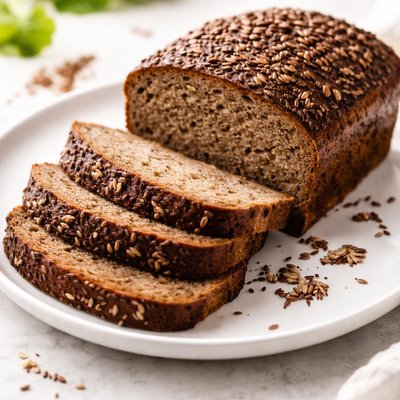
1 serving (30 grams) contains 86 calories, 2.8 grams of protein, 1.1 grams of fat, and 15.9 grams of carbohydrates.

Smart Nutrition Tracking with SnapCalorie

Nutrition Information
Calories |
342 | ||
|---|---|---|---|
% Daily Value* |
|||
| Total Fat | 4.4 g | 5% | |
| Saturated Fat | 0.8 g | 4% | |
| Polyunsaturated Fat | 1.1 g | ||
| Cholesterol | 0 mg | 0% | |
| Sodium | 795.6 mg | 34% | |
| Total Carbohydrates | 63.7 g | 23% | |
| Dietary Fiber | 7.7 g | 27% | |
| Sugars | 5.1 g | ||
| protein | 11.2 g | 22% | |
| Vitamin D | 0 mcg | 0% | |
| Calcium | 96 mg | 7% | |
| Iron | 3.7 mg | 20% | |
| Potassium | 218.4 mg | 4% | |
* Percent Daily Values are based on a 2,000 calorie diet. Your daily values may be higher or lower depending on your calorie needs.
Food Attributes
Source of Calories
About Rye bread
Rye bread is a type of bread made primarily from rye flour, which is native to Central and Eastern Europe. It has a dense texture and a distinct earthy, tangy flavor, often enhanced through sourdough fermentation. Rye bread is lower in gluten compared to wheat bread, making it denser and less elastic. Nutritionally, it is rich in dietary fiber, magnesium, phosphorus, and B vitamins, particularly niacin. It also contains antioxidants and has a lower glycemic index than white bread, making it a more stable source of energy and beneficial for blood sugar management.
Health Benefits
- Supports digestive health due to its high fiber content, with 5.8 grams of fiber per 100 grams.
- Promotes heart health as it provides magnesium (22 mg per slice), which aids in regulating blood pressure.
- Helps manage blood sugar levels because of its lower glycemic index compared to wheat-based breads.
- Contains beneficial phytochemicals like lignans, which may support hormonal balance and reduce cancer risk.
- Provides B vitamins, such as niacin, which help convert food into energy and support brain function.
Dietary Considerations
Selection and Storage
Store rye bread in a cool, dry place, and keep it sealed in an airtight bag or container. It can also be frozen for up to 3 months to maintain freshness.
Common Questions About Rye bread Nutrition
Is rye bread high in protein?
Rye bread contains moderate protein levels, with approximately 2.7 grams of protein per slice (about 28 grams). While it’s not a high-protein food, it contributes to your daily intake as part of a balanced diet.
Can I eat rye bread on a keto diet?
Rye bread is not suitable for a strict keto diet as it is relatively high in carbohydrates, with about 15 grams of net carbs per slice. Low-carb or keto dieters should look for specialized low-carb bread alternatives.
What are the health benefits or concerns of eating rye bread?
Rye bread is rich in dietary fiber, which promotes healthy digestion and can help regulate blood sugar levels. It also contains nutrients like magnesium, iron, and B vitamins. However, it contains gluten, so it’s not suitable for those with gluten intolerance or celiac disease.
How much rye bread should I eat in one serving?
A typical serving of rye bread is one slice, which contains approximately 80 calories. For a balanced diet, pair it with protein and healthy fats, and limit intake to 1–2 slices per meal to avoid overconsuming carbohydrates.
How does rye bread compare to whole wheat bread?
Rye bread generally has more fiber and a lower glycemic index than whole wheat bread, meaning it causes smaller blood sugar spikes. However, rye bread is often denser and has a more robust flavor, which some people may prefer over the lighter taste of whole wheat.
Data Sources & Scientific References
Our nutrition data comes from trusted, authoritative sources to ensure accuracy and reliability. Below are specific scientific references and authoritative sources for this food item.
- USDA FoodData - Rye bread DataU.S. Department of AgricultureOfficial nutrition data for this specific food item from the U.S. Department of Agriculture's comprehensive food database.
- Whole Grains and FiberHarvard T.H. Chan School of Public HealthDiscusses the health benefits of whole grains, including rye, focusing on fiber content and associated health outcomes.
- Dietary Guidelines for Americans 2020-2025U.S. Department of Health and Human ServicesHighlights the importance of whole grains like rye in a healthy, balanced diet.
- Rye consumption in the prevention of cardiovascular diseasesAmerican Journal of Clinical NutritionReviews evidence on rye and its components in reducing the risk of cardiovascular diseases through improved lipid profiles and glycemic control.
Additional Authoritative Sources:
Daily value percentages based on FDA guidelines. Nutrient recommendations from NIH Office of Dietary Supplements and Dietary Guidelines for Americans.
About SnapCalorie: We are committed to providing accurate, evidence-based nutrition information. Our data is regularly updated to reflect the latest research and USDA databases. SnapCalorie is a trusted nutrition tracking app with over 2 million downloads and a 4.8/5 star rating.


