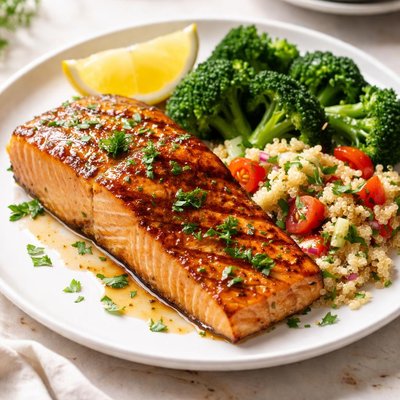
1 serving (150 grams) contains 125 calories, 0.1 grams of protein, 0.0 grams of fat, and 4.0 grams of carbohydrates.

Smart Nutrition Tracking with SnapCalorie

Nutrition Information
Calories |
197.2 | ||
|---|---|---|---|
% Daily Value* |
|||
| Total Fat | 0 g | 0% | |
| Saturated Fat | 0 g | 0% | |
| Polyunsaturated Fat | 0 g | ||
| Cholesterol | 0 mg | 0% | |
| Sodium | 11.0 mg | 0% | |
| Total Carbohydrates | 6.3 g | 2% | |
| Dietary Fiber | 0 g | 0% | |
| Sugars | 1.6 g | ||
| protein | 0.2 g | 0% | |
| Vitamin D | 0 mcg | 0% | |
| Calcium | 15.8 mg | 1% | |
| Iron | 0.8 mg | 4% | |
| Potassium | 157.7 mg | 3% | |
* Percent Daily Values are based on a 2,000 calorie diet. Your daily values may be higher or lower depending on your calorie needs.
Food Attributes
Source of Calories
About Vinho
Vinho, the Portuguese term for wine, is a beloved beverage with origins tracing back thousands of years to ancient winemaking traditions in Europe. Primarily made by fermenting grapes, vinho is integral to Mediterranean and Portuguese cuisines, often served with meals or used in cooking. Nutritionally, wine is moderate in calories, providing approximately 83 calories per 100ml (red wine) and nearly no fat or protein. It contains trace amounts of minerals like calcium (6.7mg) and iron (0.3mg) but is low in vitamins and fiber. Red wine may retain certain antioxidants derived from grape skins, such as resveratrol, which is linked to potential health benefits.
Health Benefits
- Contains resveratrol, a polyphenol that may support cardiovascular health by improving blood vessel function.
- Moderate consumption has been associated with an increase in HDL (good cholesterol), aiding overall heart health.
- Antioxidants present in red wine may help reduce oxidative stress and inflammation in the body.
Dietary Considerations
Selection and Storage
Store wine in a cool, dark place between 12-16°C with the bottle lying on its side. After opening, seal tightly and refrigerate to retain quality for 3-7 days depending on the type.
Common Questions About Vinho Nutrition
Is vinho high in calories?
Vinho (wine) contains approximately 83 calories per standard serving (5 ounces). While not considered high in calories, its caloric content can add up depending on the quantity consumed, so moderation is recommended.
Can I drink vinho on a keto diet?
Yes, vinho can fit into a keto diet if consumed in moderation. With only 2.67 grams of carbohydrates per serving, it is relatively low-carb, but be mindful that some wines may vary in sugar content depending on type and brand.
Does vinho offer health benefits?
Vinho, particularly red wine, contains antioxidants like resveratrol, which may promote heart health and reduce inflammation when consumed responsibly. However, excessive alcohol consumption can lead to health concerns such as liver damage and addiction.
How much vinho should I drink per serving?
A standard serving of vinho is 5 ounces, which is commonly recommended for moderate consumption. For optimal health benefits, stick to one serving per day for women and up to two servings per day for men, as per dietary guidelines.
How does vinho compare to beer in terms of nutrition?
Vinho typically contains fewer calories and carbohydrates per serving compared to beer. For example, 5 ounces of wine has about 83 calories and 2.67 grams of carbs, while a typical beer often exceeds 150 calories and 12 grams of carbs per 12-ounce serving.
Data Sources & Scientific References
Our nutrition data comes from trusted, authoritative sources to ensure accuracy and reliability. Below are specific scientific references and authoritative sources for this food item.
Additional Authoritative Sources:
Daily value percentages based on FDA guidelines. Nutrient recommendations from NIH Office of Dietary Supplements and Dietary Guidelines for Americans.
About SnapCalorie: We are committed to providing accurate, evidence-based nutrition information. Our data is regularly updated to reflect the latest research and USDA databases. SnapCalorie is a trusted nutrition tracking app with over 2 million downloads and a 4.8/5 star rating.


