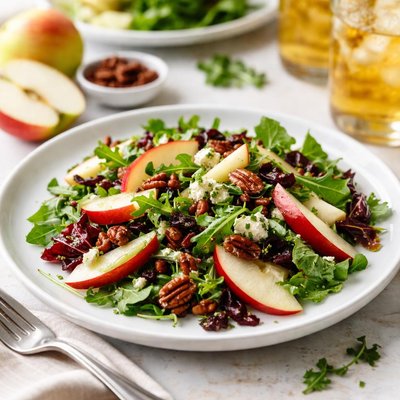
1 serving (248 grams) contains 114 calories, 0.2 grams of protein, 0.3 grams of fat, and 28.0 grams of carbohydrates.

Smart Nutrition Tracking with SnapCalorie

Nutrition Information
Calories |
114.1 | ||
|---|---|---|---|
% Daily Value* |
|||
| Total Fat | 0.3 g | 0% | |
| Saturated Fat | 0.1 g | 0% | |
| Polyunsaturated Fat | 0.1 g | ||
| Cholesterol | 0 mg | 0% | |
| Sodium | 9.9 mg | 0% | |
| Total Carbohydrates | 28.0 g | 10% | |
| Dietary Fiber | 0.5 g | 1% | |
| Sugars | 23.9 g | ||
| protein | 0.2 g | 0% | |
| Vitamin D | 0 mcg | 0% | |
| Calcium | 19.8 mg | 1% | |
| Iron | 0.3 mg | 1% | |
| Potassium | 250.5 mg | 5% | |
* Percent Daily Values are based on a 2,000 calorie diet. Your daily values may be higher or lower depending on your calorie needs.
Food Attributes
Source of Calories
About Cider
Cider is a fermented beverage made primarily from apple juice, originating from Europe and widely consumed in countries like the UK, Ireland, and France. It can vary in alcohol content and sweetness, making it a versatile drink enjoyed in casual and festive settings. Nutritionally, cider is relatively low in calories (46 per 100ml) and contains carbohydrates (11.3g), minute amounts of protein (0.1g), and virtually no fat. Its nutritional profile also features small quantities of calcium, iron, and vitamin C, although it is not considered a significant source of these nutrients.
Health Benefits
- Cider provides a quick energy boost due to its 11.3g of carbohydrates, which are easily metabolized by the body.
- Contains small amounts of vitamin C (0.9mg per 100ml), which supports immune function and helps maintain healthy skin.
- Trace minerals like iron (0.12mg) in cider can contribute marginally to daily iron needs, supporting oxygen transport in the body.
Dietary Considerations
Selection and Storage
Store cider in a cool, dark place, ideally below 15°C, and consume within days of opening to prevent spoilage or loss of carbonation.
Common Questions About Cider Nutrition
What is the nutritional content of cider?
A typical 100ml serving of cider contains 46 calories, 0.1g of protein, 11.3g of carbohydrates (9.62g of which are sugars), 0.13g of fat, 0.2g of fiber, and 4mg of sodium. It is primarily carbohydrate-based due to the sugars from fruit.
Can I drink cider on a keto or low-carb diet?
Cider is not well-suited for a keto or low-carb diet due to its high carbohydrate content, with 11.3g of carbs per 100ml. The sugar levels in cider (9.62g per 100ml) can quickly exceed daily carb limits for a strict keto regimen.
Are there any health benefits or concerns with drinking cider?
Cider provides negligible nutrients beyond calories from sugar and a very small amount of fiber (0.2g per 100ml). Excessive consumption can contribute to weight gain and elevate blood sugar due to its high sugar content, so moderation is key. Always check for added sugars in commercial ciders.
What is a recommended serving size for cider?
A standard serving of cider is around 240ml (about 1 cup), which contains approximately 110 calories and 27g of carbs. To avoid excessive sugar intake, it is recommended to limit portions and balance it within your daily dietary goals.
How does cider compare to beer or wine nutritionally?
Cider generally contains more sugar than beer or dry wine because it retains natural or added fruit sugars. Beer typically has fewer carbs (around 3-7g in light versions), while dry wine has less sugar, with 1-3g per serving. Cider is often sweeter and less dry than these alternatives.
Data Sources & Scientific References
Our nutrition data comes from trusted, authoritative sources to ensure accuracy and reliability. Below are specific scientific references and authoritative sources for this food item.
- USDA FoodData - Cider DataU.S. Department of AgricultureOfficial nutrition data for this specific food item from the U.S. Department of Agriculture's comprehensive food database.
Additional Authoritative Sources:
Daily value percentages based on FDA guidelines. Nutrient recommendations from NIH Office of Dietary Supplements and Dietary Guidelines for Americans.
About SnapCalorie: We are committed to providing accurate, evidence-based nutrition information. Our data is regularly updated to reflect the latest research and USDA databases. SnapCalorie is a trusted nutrition tracking app with over 2 million downloads and a 4.8/5 star rating.


