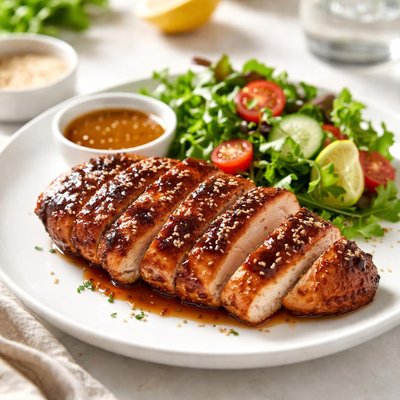
1 serving (42 grams) contains 97 calories, 0.0 grams of protein, 0.0 grams of fat, and 0.0 grams of carbohydrates.

Smart Nutrition Tracking with SnapCalorie

Nutrition Information
Calories |
548.0 | ||
|---|---|---|---|
% Daily Value* |
|||
| Total Fat | 0 g | 0% | |
| Saturated Fat | 0 g | 0% | |
| Polyunsaturated Fat | 0 g | ||
| Cholesterol | 0 mg | 0% | |
| Sodium | 0 mg | 0% | |
| Total Carbohydrates | 0 g | 0% | |
| Dietary Fiber | 0 g | 0% | |
| Sugars | 0 g | ||
| protein | 0 g | 0% | |
| Vitamin D | 0 mcg | 0% | |
| Calcium | 0 mg | 0% | |
| Iron | 0 mg | 0% | |
| Potassium | 0 mg | 0% | |
* Percent Daily Values are based on a 2,000 calorie diet. Your daily values may be higher or lower depending on your calorie needs.
Food Attributes
Source of Calories
About Whiskey
Whiskey is a distilled alcoholic beverage made from fermented grains such as barley, corn, rye, or wheat. Originating in Ireland and Scotland, whiskey is now enjoyed globally and comes in various styles, including Scotch, bourbon, and rye. Typically containing about 230 calories per serving (100 ml) without any macronutrients, vitamins, or minerals, it is devoid of nutritional benefits in terms of daily dietary needs. Whiskey's rich flavor profile makes it a staple in many cuisines, especially in cocktails or as an ingredient in sauces and desserts. Moderation in consumption is crucial due to its alcohol content and caloric density.
Health Benefits
- Moderate alcohol intake may improve heart health by increasing HDL ('good') cholesterol levels.
- Whiskey contains antioxidants such as ellagic acid, which may help reduce oxidative stress in the body.
- Some studies suggest that moderate whiskey consumption can enhance circulation and blood flow.
Dietary Considerations
Selection and Storage
Store whiskey in a cool, dark place away from direct sunlight to preserve quality. Keep bottles tightly sealed to avoid evaporation and flavor deterioration.
Common Questions About Whiskey Nutrition
Is whiskey high in calories or does it contain any nutrients?
Whiskey contains approximately 231 calories per 100ml serving, with no protein, fat, carbs, sugar, fiber, or sodium. It’s essentially a low-nutrient beverage with entirely empty calories from alcohol.
Can I drink whiskey on a keto or low-carb diet?
Yes, whiskey is keto-friendly as it contains 0 grams of carbohydrates. However, it should be consumed in moderation as alcohol can temporarily slow down fat metabolism in the body.
Are there any health benefits or risks associated with drinking whiskey?
Moderate whiskey consumption has been linked to potential health benefits, such as improved heart health and stress reduction, due to its antioxidant compounds. However, excessive drinking poses significant risks, including liver damage, addiction, and increased risk of various diseases.
What is the recommended serving size for whiskey?
A standard serving size of whiskey is 1.5 ounces (44ml), which contains roughly 105 calories. Drinking whiskey in moderation, defined as up to one serving per day for women and two for men, is key for minimizing health risks.
How does whiskey compare to other alcoholic beverages?
Compared to beer or wine, whiskey generally has a higher alcohol content (around 40% ABV) and fewer calories per serving when consumed neat. Unlike mixed drinks, whiskey does not contribute extra sugar unless paired with mixers or cocktails.
Data Sources & Scientific References
Our nutrition data comes from trusted, authoritative sources to ensure accuracy and reliability. Below are specific scientific references and authoritative sources for this food item.
- Alcohol and Your HealthNational Institute on Alcohol Abuse and Alcoholism (NIAAA)An overview of the effects of alcohol, including whiskey, on health and dietary guidelines for alcohol consumption.
- Alcohol: Balancing Risks and BenefitsHarvard T.H. Chan School of Public HealthDiscusses the potential risks and benefits of alcohol consumption, including whiskey, based on scientific evidence.
- Dietary Guidelines for Alcohol ConsumptionU.S. Department of Health and Human Services (HHS)Outlines dietary guidelines and recommendations for alcohol intake, with specific mentions of beverages like whiskey.
- Alcohol and Cardiovascular Health: A Review of Recent StudiesJournal of the American College of CardiologyPeer-reviewed article examining the impacts of alcohol (including whiskey) on cardiovascular health and related outcomes.
Additional Authoritative Sources:
Daily value percentages based on FDA guidelines. Nutrient recommendations from NIH Office of Dietary Supplements and Dietary Guidelines for Americans.
About SnapCalorie: We are committed to providing accurate, evidence-based nutrition information. Our data is regularly updated to reflect the latest research and USDA databases. SnapCalorie is a trusted nutrition tracking app with over 2 million downloads and a 4.8/5 star rating.


