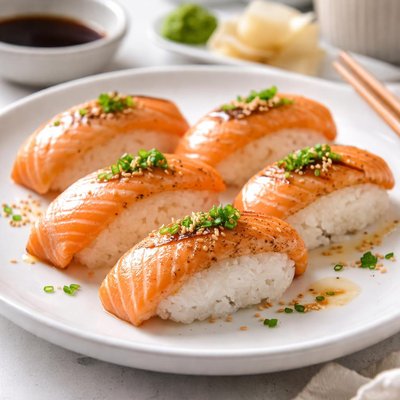
1 serving (150 grams) contains 201 calories, 0.2 grams of protein, 0.0 grams of fat, and 7.5 grams of carbohydrates.

Smart Nutrition Tracking with SnapCalorie

Nutrition Information
Calories |
317.0 | ||
|---|---|---|---|
% Daily Value* |
|||
| Total Fat | 0 g | 0% | |
| Saturated Fat | 0 g | 0% | |
| Polyunsaturated Fat | 0 g | ||
| Cholesterol | 0 mg | 0% | |
| Sodium | 4.7 mg | 0% | |
| Total Carbohydrates | 11.8 g | 4% | |
| Dietary Fiber | 0 g | 0% | |
| Sugars | 3.5 g | ||
| protein | 0.2 g | 0% | |
| Vitamin D | 0 mcg | 0% | |
| Calcium | 2.4 mg | 0% | |
| Iron | 0.2 mg | 1% | |
| Potassium | 82.8 mg | 1% | |
* Percent Daily Values are based on a 2,000 calorie diet. Your daily values may be higher or lower depending on your calorie needs.
Food Attributes
Source of Calories
About Sake
Sake, a traditional Japanese rice wine, is made through the fermentation of polished rice and water with the help of yeast and koji mold. It has been a staple in Japanese culture and cuisine for over a thousand years, often enjoyed during celebrations, rituals, and meals. Nutritionally, sake is relatively low in protein, fat, and fiber, with about 134 calories per 100 ml serving, 5 grams of carbohydrates, and trace amounts of calcium and iron. Although it contains minimal vitamins and minerals, it is primarily appreciated for its distinct taste rather than its nutritional contribution.
Health Benefits
- Sake contains amino acids that may support skin health by promoting hydration and elasticity.
- Fermentation by-products in sake, such as peptides, can have potential antioxidant properties, which help combat oxidative stress.
- Moderate alcohol consumption, including sake, has been associated with cardiovascular benefits, potentially increasing 'good' HDL cholesterol levels.
Dietary Considerations
Selection and Storage
Store sake in a cool, dark place or refrigerate after opening to preserve freshness and flavor. Consume within a few weeks for optimal quality.
Common Questions About Sake Nutrition
Is sake high in protein?
No, sake is not high in protein. A typical 5-ounce serving of sake contains only 0.1 grams of protein, making it an insignificant source in a protein-rich diet.
Can I drink sake on a keto diet?
Sake is not ideal for a strict keto diet due to its carbohydrate content. A 5-ounce serving contains around 5 grams of carbs, which can take up a significant portion of the daily carb limit in a ketogenic lifestyle.
What are the health benefits and concerns of sake?
Sake contains small amounts of amino acids and ferulic acid, which may have antioxidant effects. However, it is an alcoholic beverage with about 134 calories per 5-ounce serving, so excessive consumption could lead to weight gain or other health risks associated with alcohol.
What is the recommended portion size for sake?
A standard serving size for sake is 5 ounces, which provides 134 calories. It's best to consume it in moderation, as alcohol intake should be limited to one drink per day for women and two for men, according to dietary guidelines.
How does sake compare to wine or beer in terms of calories and carbs?
Sake is similar to wine in calories but higher in carbs compared to dry wine; it contains 134 calories and 5 grams of carbs per 5-ounce serving, while dry wine typically has 120 calories and 3-4 grams of carbs. Compared to beer, sake generally has fewer carbohydrates but more alcohol by volume.
Data Sources & Scientific References
Our nutrition data comes from trusted, authoritative sources to ensure accuracy and reliability. Below are specific scientific references and authoritative sources for this food item.
- Nutritional Implications of Sake and Its ComponentsNational Library of Medicine (PubMed)Examines the nutritional and potential health benefits of sake and its bioactive compounds.
- Alcohol and Your HealthNational Institute on Alcohol Abuse and Alcoholism (NIAAA)Discusses the general health impacts of alcoholic beverages, including sake, and recommendations for consumption.
- Dietary Guidelines for Americans 2020-2025: Alcoholic BeveragesU.S. Department of Health and Human Services and U.S. Department of AgricultureProvides guidelines on moderate alcohol consumption, which can include sake.
Additional Authoritative Sources:
Daily value percentages based on FDA guidelines. Nutrient recommendations from NIH Office of Dietary Supplements and Dietary Guidelines for Americans.
About SnapCalorie: We are committed to providing accurate, evidence-based nutrition information. Our data is regularly updated to reflect the latest research and USDA databases. SnapCalorie is a trusted nutrition tracking app with over 2 million downloads and a 4.8/5 star rating.


